English
 中文简体
 Français
 Español
 عربى



200ml/100ml/50ml/30ml Glass Perfume Spray Bottles: Luxury Design, Flexible Customization, and Reliable Manufacturing
Introduction
In the premium fragrance market, packaging is more than a protective container. It is the first physical experience a customer has with a perfume brand, and it often determines whether a product appears ordinary, distinctive, or genuinely luxurious. The 200ml, 100ml, 50ml, and 30ml glass perfume spray bottles presented in this article are designed to help fragrance brands create a strong visual identity while meeting practical requirements for daily use, gifting, retail display, and international distribution.
The design combines a slim disc-shaped glass body, a decorative metallic emblem, and a textured cap inspired by fish scales or protective armor. Together, these elements create an appearance that connects Middle Eastern artistic influence with contemporary cosmetic packaging. The result is a bottle collection suitable for high-end men’s fragrances, elegant women’s perfumes, niche fragrance lines, gift products, and brands targeting the Middle Eastern market.
Available in four capacities, the collection provides a complete size matrix for different sales strategies. The 30ml bottle is suitable for travel, discovery sets, and promotional programs. The 50ml format balances portability and presentation. The 100ml size is appropriate for a standard premium perfume offering, while the 200ml bottle can serve as a statement product, collector’s edition, or generous gift-market format.
Beyond its visual appearance, the product is supported by the manufacturing capabilities of DEPRAG Plastic Products Co., Ltd. The company specializes in packaging containers for cosmetics, medicines, daily chemical products, and related applications. Its capabilities include product research and development, industrial design, mold manufacturing, plastic injection molding, blow molding, gilding, printing, UV coating, product testing, warehousing, and technical support. This integrated approach enables customers to develop packaging from an initial concept through production and delivery.
Product Overview
The perfume bottle collection is built around a rounded, flattened silhouette. Its profile resembles a full moon or a refined disc, giving the bottle a memorable shape without making it difficult to hold. The design is visually substantial but remains suitable for one-handed spraying. This balance is important because luxury perfume packaging must look impressive on a shelf while remaining comfortable during real-world use.
The front surface includes a central decorative emblem. The emblem can be interpreted as a royal badge, a coat of arms, or a piece of Middle Eastern-inspired ornamentation. It gives the bottle a recognizable focal point and creates an opportunity for customization. Brands can explore exclusive badge patterns, logo applications, metallic finishes, and decorative motifs that reflect their own identity.
The cap adds another major visual element. Its embossed texture resembles fish scales, layered metal armor, or finely repeated ornamental panels. This texture improves the tactile experience by giving the cap a more distinctive grip than a completely smooth surface. It also creates highlights and shadows under retail lighting, helping the bottle attract attention in department stores, fragrance counters, hotel boutiques, and gift displays.
The bottle is offered in pure white with rose gold and in black with sparkling silver. These combinations are designed to support different brand positions and fragrance families. White and rose gold communicate softness, elegance, femininity, and refinement. Black and silver create a stronger, deeper, and more masculine visual impression, making them suitable for woody, leather, amber, smoky, or intense fragrance concepts.
| Available Size | Common Market Position | Potential Application |
|---|---|---|
| 30ml | Compact premium size | Travel perfume, discovery sets, promotional gifts, and personal-use collections |
| 50ml | Portable standard size | Daily fragrance, boutique collections, and mid-range premium products |
| 100ml | Classic retail size | Core perfume products, department-store sales, and gift packaging |
| 200ml | Large statement size | Collector’s editions, home display, luxury gifts, and special retail programs |
The broad size selection is particularly valuable for brands planning multiple product tiers. A company can use the same basic design language across a complete fragrance family instead of sourcing unrelated bottles for different capacities. This improves visual consistency and can simplify product-line management.
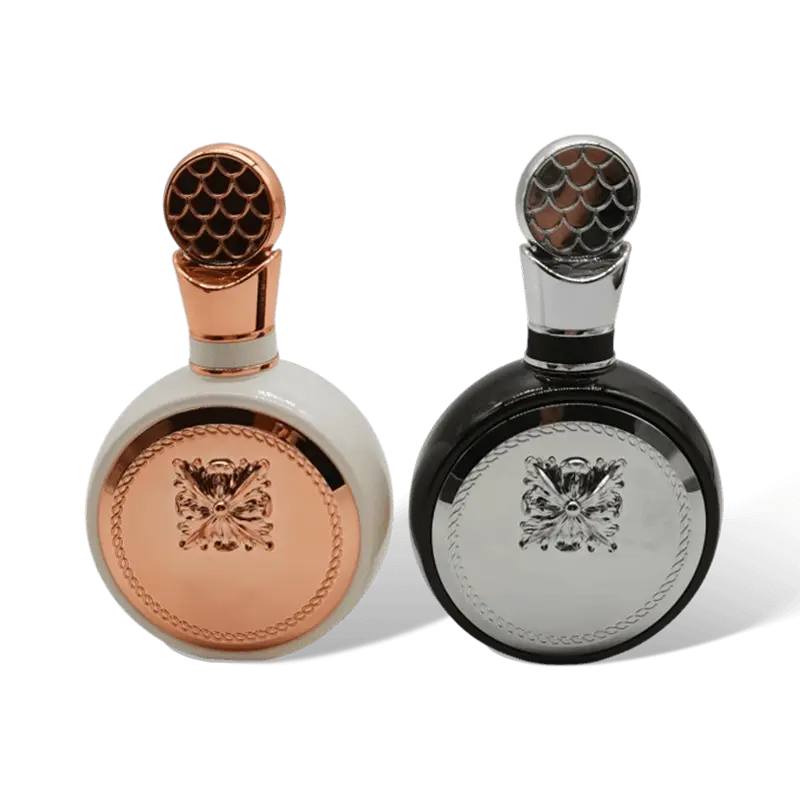
200ml/100ml/50ml/30ml glass perfume spray bottles
Design Inspired by Middle Eastern Luxury
Many fragrance markets place strong value on presentation, symbolism, and decorative detail. In particular, premium perfume packaging for the Middle Eastern market often benefits from visual elements that suggest heritage, prestige, hospitality, ceremony, and craftsmanship. This bottle collection addresses those expectations through its central emblem, rich color combinations, rounded geometry, and layered cap texture.
The design does not rely on excessive complexity. Instead, it uses a limited number of carefully selected features to create a strong overall impression. The disc-shaped body establishes a distinctive outline. The emblem provides a symbolic center. The colored coating defines the mood, and the textured cap adds a tactile finishing element. Because these components work together, the bottle can appear luxurious without requiring an overly crowded surface.
The metallic emblem is one of the most important brand-building elements. It can be used to communicate heritage or exclusivity, but it can also be adapted to carry a brand logo or a signature symbol. For a niche perfume house, the emblem may represent a family crest, an established house identity, or a custom artistic pattern. For a trading company, it may be developed around a market-specific badge or a destination-inspired visual theme.
Arabic calligraphy and iconic coat-of-arms-inspired artwork can be considered as part of the customization process, subject to the customer’s design requirements and production feasibility. This gives brands the possibility of creating packaging that feels relevant to local customers rather than simply importing a generic Western-style bottle.
The white and rose-gold version is especially suitable for fragrances built around flowers, fruits, powder, vanilla, musk, or soft oriental accords. Its visual language suggests delicacy and polish. In contrast, the black and silver version can support oud, leather, tobacco, woods, spices, and other deeper fragrance profiles. A brand can therefore use color and decoration to guide the customer’s expectations before the perfume is sprayed.
Advantages of the Slim Disc Shape
Traditional perfume bottles often use rectangular, cylindrical, or faceted forms. These shapes can be effective, but they are also widely used and may not create a strong point of difference. The slim disc shape gives this collection a more recognizable silhouette. It can be identified from a distance, even when the front label is not immediately visible.
The rounded body also softens the visual character of the package. Sharp rectangular bottles may communicate strength and architectural precision, while the disc shape introduces a sense of balance, completeness, and elegance. This makes the bottle versatile enough for both feminine and masculine applications, depending on the finish, emblem, and cap treatment.
Although the profile is visually distinctive, it remains practical for handheld spraying. A perfume bottle should not only look attractive in a photograph; it should also feel natural when a consumer picks it up. The flattened form can provide a broad contact surface for the hand, while the rounded edges help avoid an overly rigid or uncomfortable grip.
The shape may also support efficient presentation in luxury displays. Its broad front face provides space for a decorative emblem, logo, or other branding element. The bottle can be positioned upright, placed in a gift box, or presented as part of a coordinated collection. Its distinctive outline can help a retail display look more curated and less generic.
Compared with ordinary stock bottles that depend primarily on a printed label, this design creates a branded impression through its physical form. That distinction is important in a competitive market where consumers often compare products quickly. A recognizable silhouette can support memory, product recognition, and repeat purchase behavior.
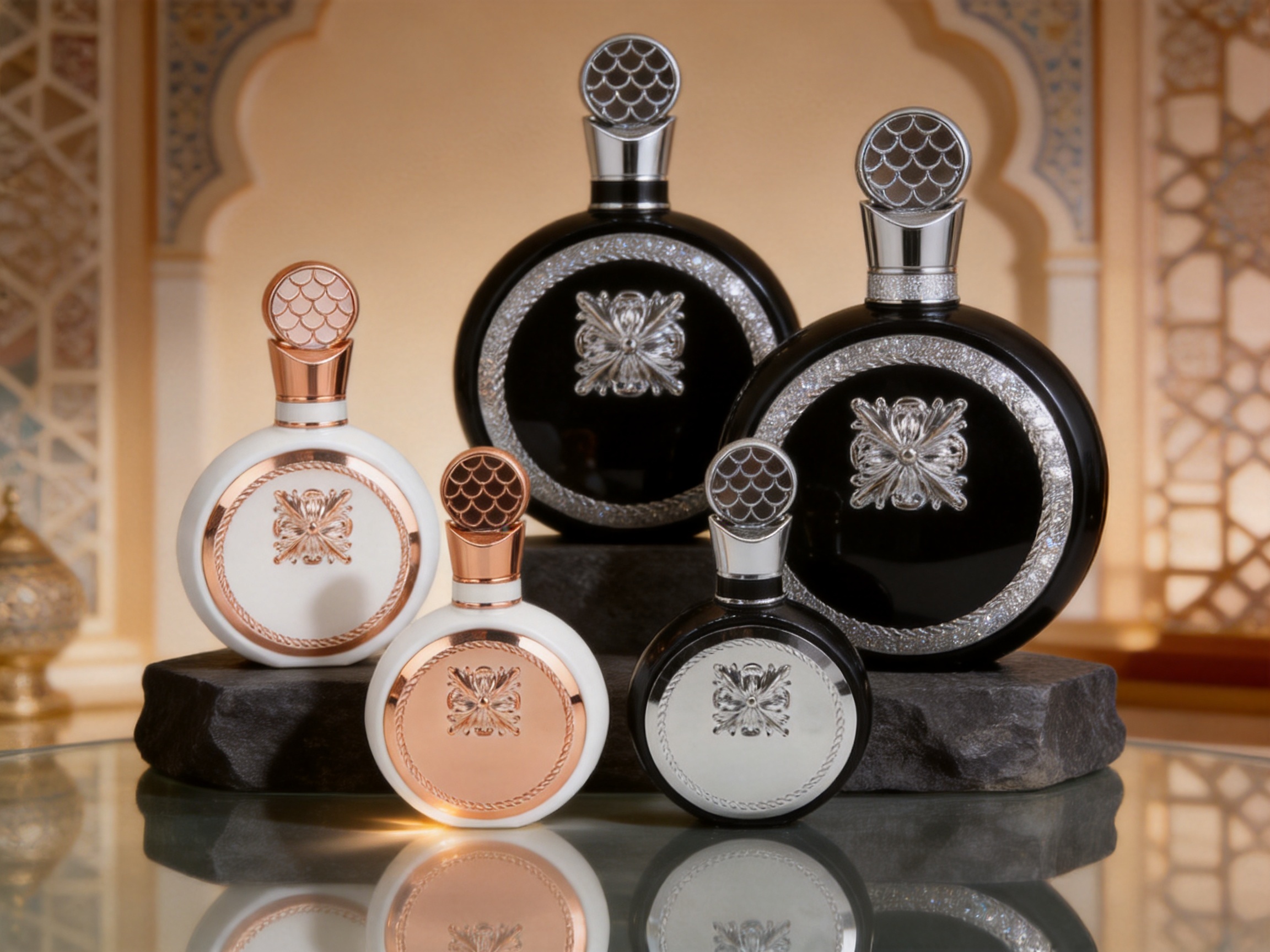
Color and Finish Options
Color is a central component of luxury packaging. The available finishes are designed to offer two different aesthetic directions without changing the fundamental bottle architecture. This makes the collection useful for brands that want to develop parallel fragrance lines while retaining a unified family appearance.
Pure White and Rose Gold
The pure white and rose-gold combination offers a bright and refined appearance. White communicates cleanliness, softness, and modern elegance, while rose gold introduces warmth and decorative richness. Together, the two colors can support women’s fragrances, floral compositions, sweet perfumes, bridal gift products, and limited editions aimed at customers who prefer a gentle luxury aesthetic.
Rose gold is also effective under retail lighting because its warm metallic appearance can produce subtle reflections. When combined with the central emblem, it can make the front of the bottle appear like a piece of jewelry. This treatment is suitable for brands that want to present perfume as an accessory rather than simply a scented liquid.
Black and Sparkling Silver
The black and sparkling silver version provides a more dramatic and powerful appearance. Black offers depth and visual authority, while silver creates contrast and a cooler metallic highlight. This pairing works well for men’s fragrance, unisex perfume, night-time products, premium oud, leather, woody, and oriental fragrance collections.
The darker version can also support a modern luxury position. Its appearance may appeal to brands that want to communicate confidence, mystery, strength, and exclusivity. A silver emblem against a black surface can function as a strong brand signature, particularly when the bottle is displayed in a dark or carefully controlled retail environment.
Finish Coordination
Color selection can be coordinated with the cap, emblem, outer carton, and secondary packaging. For example, a rose-gold emblem may be paired with warm-toned printing on the carton, while a silver emblem may be matched with metallic foil and dark graphics. Coordinating the entire packaging system helps create a more professional finished product and prevents the bottle from appearing disconnected from its box or gift set.
Because DEPRAG provides finishing services such as gilding, printing, and UV coating, customers can discuss the relationship between the bottle surface and other decorative components during the development stage. This integrated communication can reduce the risk of incompatible finishes or inconsistent color expectations between different suppliers.
Textured Cap with a Distinctive Tactile Experience
The cap is not a minor accessory. In a premium perfume package, the cap can account for a large part of the first impression because it is the component the consumer touches before using the fragrance. The fish-scale or armor-like embossed texture gives this cap a more sophisticated appearance than a standard smooth closure.
The repeated pattern creates visual depth. Depending on the lighting angle, some areas appear brighter while others become shaded, producing a layered surface effect. This can make the cap look more substantial and carefully engineered. It also helps the product stand out in product photography, online catalogues, and social media content.
From a functional perspective, a textured surface may offer a more secure grip when the consumer removes or replaces the cap. The cap should still be evaluated according to the final assembly specification, but the embossed treatment is clearly intended to improve both appearance and handling.
The armor-like interpretation of the pattern can be particularly appropriate for masculine or unisex products. It suggests protection, strength, and structure, while the rounded body prevents the overall design from becoming excessively aggressive. On the white and rose-gold version, the same texture can appear ornamental and jewelry-like instead of rugged.
Compared with completely smooth caps commonly found on mass-market perfume bottles, this textured cap provides another opportunity for product differentiation. It shows that the packaging has been considered as a complete object, including the parts that customers hold and interact with.
Customization for Brand Development
Packaging customization is increasingly important because fragrance brands need to distinguish themselves in crowded marketplaces. A standard bottle may reduce initial development time, but it can also make a product look similar to competing products. The presented collection offers a strong base design while leaving room for brand-specific adaptation.
Potential customization areas include the front emblem, brand logo, decorative pattern, glass coating color, metallic effect, printing, gilding, and outer packaging coordination. Customers may choose to retain the Middle Eastern-inspired visual language or adapt it to a different cultural or commercial direction.
Exclusive badge patterns can help a brand develop a signature symbol. The badge may be circular, shield-shaped, geometric, floral, or based on a specific heritage concept. It can also be used to distinguish different fragrance families within one collection. For example, one emblem style may represent a floral range, another may represent an oud range, and a third may identify a limited edition.
Brand logos may be integrated into the emblem rather than applied as a separate label. This can produce a more unified and premium appearance. Depending on the required result, the logo may be produced through printing, gilding, metallic decoration, or another suitable finishing method. Final choices should be evaluated through sampling because the visual effect depends on the glass surface, coating, artwork scale, and production method.
Glass coating colors can also be adjusted to match a brand’s identity. A company may prefer a bright white, a deeper black, a muted tone, or a special metallic appearance. The exact finish should be confirmed through physical samples because screen images cannot fully reproduce glass transparency, coating density, reflectivity, or surface texture.
Customization is particularly valuable for importers, distributors, and trading companies serving regional markets. Instead of selling a generic bottle, they can develop a package with visual characteristics that speak directly to their target customers. This can increase perceived value and provide a stronger foundation for marketing campaigns.
Advantages Over Ordinary Competitor Packaging
The fragrance packaging market includes many standard bottles that rely on conventional cylindrical or rectangular bodies, simple caps, and adhesive labels. Those products can be economical and functional, but they may not provide the visual impact needed for a premium positioning. The presented collection offers several differentiating advantages.
Stronger Shelf Recognition
The slim disc silhouette is less predictable than a conventional bottle shape. Its rounded profile can be recognized quickly and can help a product stand apart in a crowded display. The central emblem reinforces recognition by creating a visual focal point that is visible from the front.
More Complete Luxury Design
Some stock packaging products focus on the bottle body while treating the cap as a simple closure. Here, the cap includes its own decorative texture, allowing the entire package to communicate quality. The coordinated body, emblem, color, and cap create a more complete luxury experience.
Broader Size Strategy
The availability of 30ml, 50ml, 100ml, and 200ml sizes allows a brand to build a product family without changing to an unrelated package for every market segment. Competitors offering only one or two sizes may give customers less flexibility when planning travel formats, standard retail products, and premium gift versions.
Regional Market Relevance
The Middle Eastern-inspired emblem and decorative language can help brands develop products for customers who appreciate cultural references and ornamental detail. Rather than applying a generic luxury style, the design provides a starting point for a more regionally appropriate package.
Integrated Customization Support
Brands may benefit from working with a manufacturer that can coordinate development, decoration, testing, and warehousing. When bottle production and finishing are managed through connected processes, communication can be more efficient than when a customer must coordinate several unrelated suppliers.
Suitable for Multiple Fragrance Positions
The same bottle architecture can support feminine, masculine, and unisex concepts. The final position can be shaped by color, emblem design, cap treatment, carton graphics, and fragrance storytelling. This flexibility can reduce the need for a completely new package when a brand expands its product portfolio.
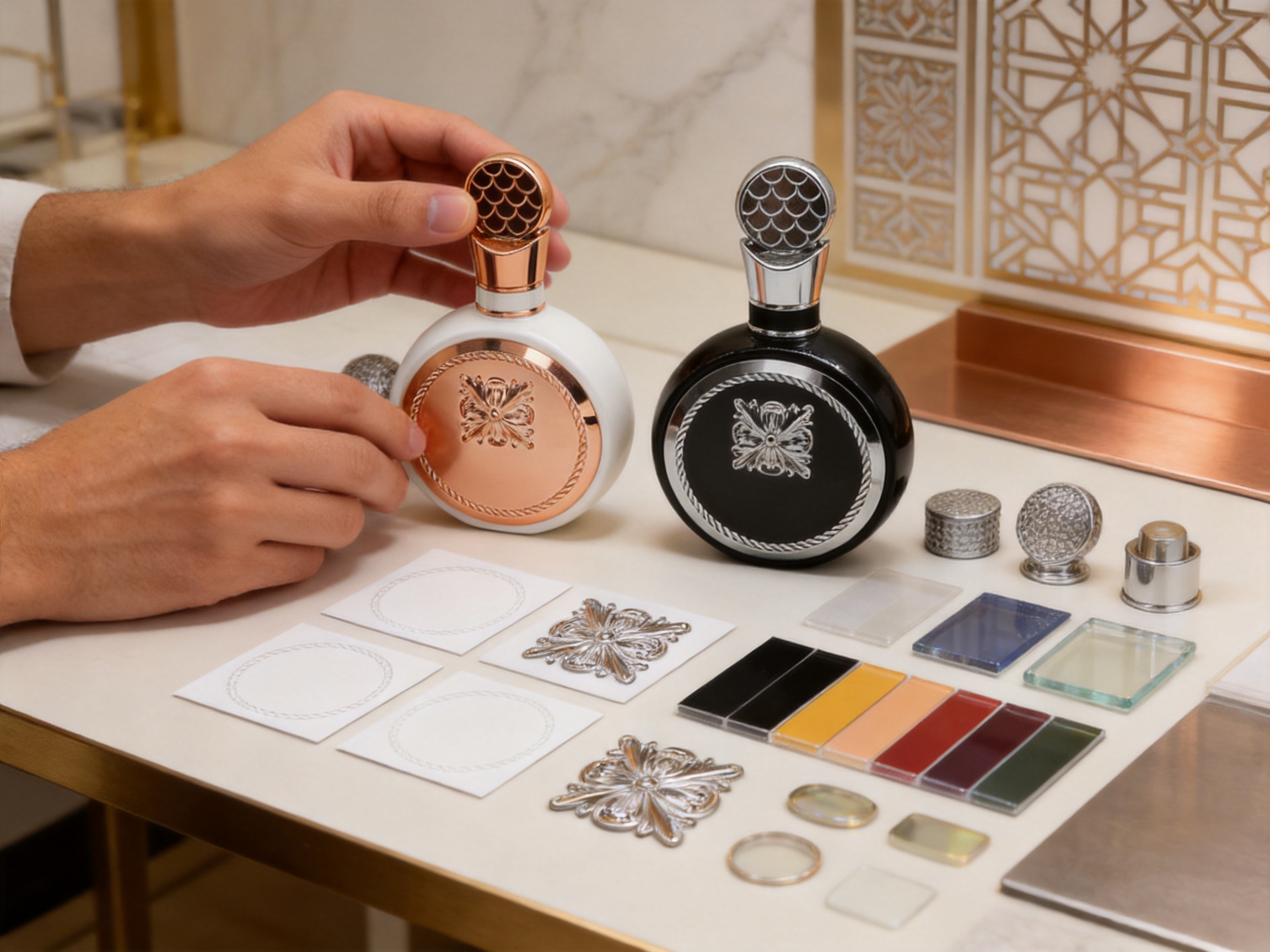
Manufacturing Capabilities and Technical Strengths
The performance of luxury packaging depends on more than the appearance of the initial design. A bottle must be produced consistently, decorated accurately, assembled correctly, tested appropriately, and delivered in a condition suitable for filling and retail. DEPRAG Plastic Products Co., Ltd. provides a broad manufacturing and technical structure to support these requirements.
Product Research and Development
Product research and development is the starting point for converting a packaging concept into a manufacturable product. The development process may include analysis of the intended shape, material selection, decoration requirements, component relationships, filling conditions, transport needs, and target cost. By considering these points early, the manufacturer can help customers avoid unnecessary changes after tooling or mass production has begun.
For a disc-shaped perfume bottle, development attention may be directed toward wall thickness, balance, neck and sprayer compatibility, cap alignment, emblem placement, and stability during storage. Each of these factors contributes to the final user experience, even though many are not visible in a product photograph.
Design and Mold Manufacturing
Design and mold manufacturing are essential for producing repeatable packaging components. The mold must support the required geometry, decorative details, tolerances, and production volume. A central emblem, textured cap, and curved bottle profile all require careful coordination between artwork and tooling.
In-house or closely coordinated mold capability can improve development efficiency. It allows production specialists to review whether a proposed design can be manufactured consistently and whether certain features may create technical challenges. This can be especially useful when customers request custom badge details, special surface effects, or changes to the standard size structure.
Plastic Injection Molding
Plastic injection molding is relevant to components such as caps, collars, decorative parts, and other packaging accessories. The process involves injecting molten plastic into a mold under controlled conditions, allowing the component to form with the required geometry and surface detail.
For the textured cap, molding accuracy is important because the repeated embossed pattern must remain clear and consistent. Uneven filling, inadequate cooling, or unsuitable processing conditions can affect the appearance of fine details. A manufacturer with experience in injection molding can select appropriate processing parameters and inspection procedures for these components.
Blow Molding and Related Packaging Production
DEPRAG’s manufacturing capabilities include blow molding in addition to injection molding. Although the specific production method for each component depends on the final product design and material requirements, access to multiple processes provides broader packaging development options. It also demonstrates that the company is equipped to work across different types of cosmetic and daily chemical containers.
Gilding, Printing, and UV Coating
Decorative finishing is a major part of luxury packaging. Gilding can create metallic accents, while printing can apply brand marks, text, or patterns. UV coating may be used to produce a protective or visually distinctive surface effect, depending on the design specification.
These processes require attention to adhesion, color consistency, registration, surface preparation, curing, and handling. Decorative packaging can lose its premium appearance if metallic details are misaligned, printed artwork is inconsistent, or coatings are scratched during assembly. Coordinating decoration with the primary manufacturer can help reduce such risks.
Product Testing
Product testing supports confidence in packaging quality. Depending on the project, testing may include visual inspection, dimensional checks, component fit, decoration adhesion, cap assembly, spray performance, leakage evaluation, and transport-related assessment. The exact test program should be agreed upon with the customer according to the intended fragrance formula, filling process, regulatory expectations, and distribution conditions.
Testing is especially important for premium products because a small defect can affect the perceived value of the entire fragrance. A carefully decorated bottle with an unstable cap, damaged coating, or inconsistent sprayer would not provide the expected customer experience. A structured quality process helps identify these issues before shipment.
Warehousing and Delivery Coordination
Warehousing provides support for production planning and order fulfillment. Packaging products may need to be stored before filling, assembled into gift sets, or shipped in scheduled batches. Proper storage and handling are important for protecting coated surfaces, printed areas, glass components, and decorative parts.
DEPRAG is located in Cixi, China, an area known for its developed plastics industry. The company is near the Hangzhou Bay Bridge and within convenient driving distance of Ningbo’s Beilun deep-water port and Hangzhou Xiaoshan International Airport. This location can support domestic and international logistics planning, although final delivery arrangements depend on order volume, destination, shipping method, and customer requirements.
Quality Considerations for Perfume Packaging
Perfume packaging must be evaluated as a complete system rather than as an isolated decorative object. The glass bottle, sprayer, cap, emblem, coatings, carton, and filling process all influence the final result. During product development, customers should confirm the required bottle capacity, neck specification, spray component, decoration method, color standard, and packaging configuration.
Glass quality is important for appearance and safe handling. The surface should be checked for visible defects, uneven coating, scratches, bubbles, or other conditions that may affect the product presentation. The bottle should also be compatible with the selected closure and sprayer assembly.
Decoration quality is equally important. Metallic finishes should be evaluated for color, brightness, adhesion, and consistency. Printed logos should be checked for sharpness and alignment. UV coatings should be reviewed for surface uniformity and resistance to expected handling conditions.
The cap should be inspected for pattern clarity, fit, alignment, and removal force. A cap that is too loose may create a poor impression or increase the risk of separation during transport. A cap that is excessively tight may be inconvenient for the consumer. The preferred condition depends on the cap design, inner components, filling line, and brand requirements.
Packaging testing should be planned before mass production. Samples can be used to confirm the visual effect and mechanical performance. This stage provides an opportunity to adjust colors, emblem proportions, cap texture, logo position, and assembly details before larger quantities are manufactured.
Applications Across Different Fragrance Markets
Premium Women’s Fragrance
The white and rose-gold version is well suited to feminine fragrance concepts. It can support floral, fruity, sweet, powdery, vanilla, musk, and soft oriental products. The rounded form and jewelry-like metallic detail can reinforce themes of elegance, grace, romance, and celebration.
The 30ml and 50ml formats may be attractive for personal fragrance collections, travel programs, and gift sets. The 100ml bottle can serve as the main retail size, while the 200ml version can be positioned as a special presentation or limited product.
High-End Men’s Fragrance
The black and silver version can provide a strong foundation for men’s fragrance. Its dark body and metallic emblem may complement woody, leather, amber, smoky, spicy, or oud-inspired compositions. The textured cap adds a sense of strength and structure, while the disc shape keeps the package refined rather than overly heavy.
A 100ml bottle is a familiar choice for a core men’s fragrance product. The 50ml size can support travel and gifting, while the 200ml size may be used for premium editions or products intended to create a bold visual statement.
Unisex and Niche Perfume
The design can also be adapted for unisex and niche fragrance. A neutral coating, customized emblem, or restrained outer carton can make the bottle suitable for artistic or independent perfume houses. The distinctive shape may appeal to niche brands that want packaging with a strong object quality.
For a niche product, the central emblem can become part of the fragrance story. It may represent a location, a historical reference, a family symbol, a natural element, or an abstract idea associated with the scent. This creates an opportunity for packaging and fragrance marketing to communicate the same narrative.
Middle Eastern Gift Market
The combination of decorative ornamentation, metallic detail, and multiple sizes is suitable for gift-oriented fragrance products. The bottle can be paired with an embellished carton, rigid gift box, fabric insert, or coordinated accessory set. The 200ml format may be particularly effective where generous presentation and visual abundance are important.
Brands targeting the Middle Eastern market can use customized emblems, Arabic-inspired visual details, and regional color preferences while maintaining a modern production standard. Careful cultural consultation is recommended when developing symbols, calligraphy, or decorative references for a specific market.
How the Manufacturer Supports Brand Development
Packaging suppliers increasingly need to provide more than individual components. Brands often require assistance with design decisions, material selection, decoration, mold development, sampling, quality evaluation, and production planning. DEPRAG’s stated capabilities are organized around this broader support model.
The company specializes in packaging containers for cosmetics, medicines, and other plastic products. Its experience in daily chemical packaging gives it a practical understanding of the requirements associated with consumer products, including appearance, usability, manufacturing efficiency, and order coordination.
An experienced research and development team can help customers evaluate design concepts before they become production problems. Advanced manufacturing equipment and standardized factories provide the infrastructure required for repeatable production. A complete production process can also reduce communication gaps between design, tooling, molding, decoration, testing, and warehousing.
The company offers standard packaging designs as well as customized molds. This combination can help different types of customers. A new brand may prefer to begin with a proven standard design and customize the emblem or finish. An established brand may require a more extensive development program with exclusive tooling and a unique visual identity.
Technical support is valuable during the transition from sample approval to mass production. The final result must remain consistent with the approved sample, especially when multiple decorative processes are involved. Clear specifications, reference samples, color standards, inspection criteria, and packaging instructions can all contribute to better production control.
Recommended Development Process for Buyers
Customers considering this perfume bottle collection should begin by defining the target fragrance market and product position. Important questions include whether the product is feminine, masculine, unisex, niche, gift-oriented, or designed for a regional market. This decision will influence the preferred color, emblem, cap treatment, carton design, and size mix.
The next step is to select the required capacities. Some brands may need all four sizes, while others may begin with one or two. A complete matrix is useful for long-term planning, but a phased launch can help control initial inventory and testing costs.
Customers should then prepare artwork and customization requirements. The artwork should specify logo proportions, emblem dimensions, colors, metallic effects, calligraphy, surface placement, and any required text. It is helpful to provide editable artwork files and clear color references whenever possible.
Sample development should follow. Samples allow the customer to assess the bottle in person, including the weight, balance, cap grip, emblem appearance, color effect, and overall shelf presence. They also provide a practical basis for reviewing compatibility with the intended perfume sprayer and filling process.
After sample approval, the customer and manufacturer should confirm the production specification. This may include bottle capacity, component materials, decoration methods, tolerances, inspection standards, packing method, order quantity, delivery schedule, and storage requirements.
Before shipment, finished goods should be inspected according to the agreed quality criteria. Customers may request inspection reports, approved samples, packaging photographs, or other documentation appropriate to the order. A clear quality agreement helps protect both parties and supports consistent results across repeat orders.
Commercial Value for Fragrance Brands
Luxury packaging should contribute to commercial performance, not merely increase production cost. A distinctive bottle can support a higher perceived value when its design is aligned with the fragrance, outer packaging, brand story, and target customer. The central emblem and textured cap provide details that customers can notice and remember.
The four-size structure also supports different pricing levels. A 30ml bottle can introduce customers to a fragrance at a lower entry quantity. The 50ml and 100ml versions can serve as standard purchases, while the 200ml format can encourage gifting or premium trading-up behavior. This product ladder can be adapted to different retail channels and promotional programs.
A consistent bottle family may reduce the complexity of launching new fragrances. When customers already recognize the silhouette, the brand can introduce new colors, emblems, or fragrance names while preserving a connection to the existing collection. This can strengthen portfolio coherence and reduce the need to educate customers about every new package.
Customization also creates potential for exclusive distribution. A retailer, importer, or regional trading company may commission a unique emblem or color combination that is not used by other sellers. This can support channel differentiation and make direct comparison more difficult.
Sustainability and Responsible Packaging Considerations
Luxury appearance should be balanced with responsible packaging decisions. Glass is widely used in perfume packaging because it provides a premium appearance and can offer a substantial, durable container. However, the complete sustainability profile depends on material sourcing, manufacturing energy, decoration processes, shipping distance, secondary packaging, and end-of-life handling.
Brands should consider the amount of material used, the durability of the bottle, the design of the outer carton, and the possibility of efficient transport. A durable package that protects the fragrance and supports repeated use may provide value beyond a single purchase. The final packaging system should also be designed to minimize unnecessary components while maintaining product protection and presentation.
Customers can discuss material and decoration options with the manufacturer during development. Decisions about coatings, metallic finishes, plastic components, and gift boxes may affect the production process and the overall environmental profile. Responsible design is most effective when considered at the beginning rather than added after the package has already been finalized.
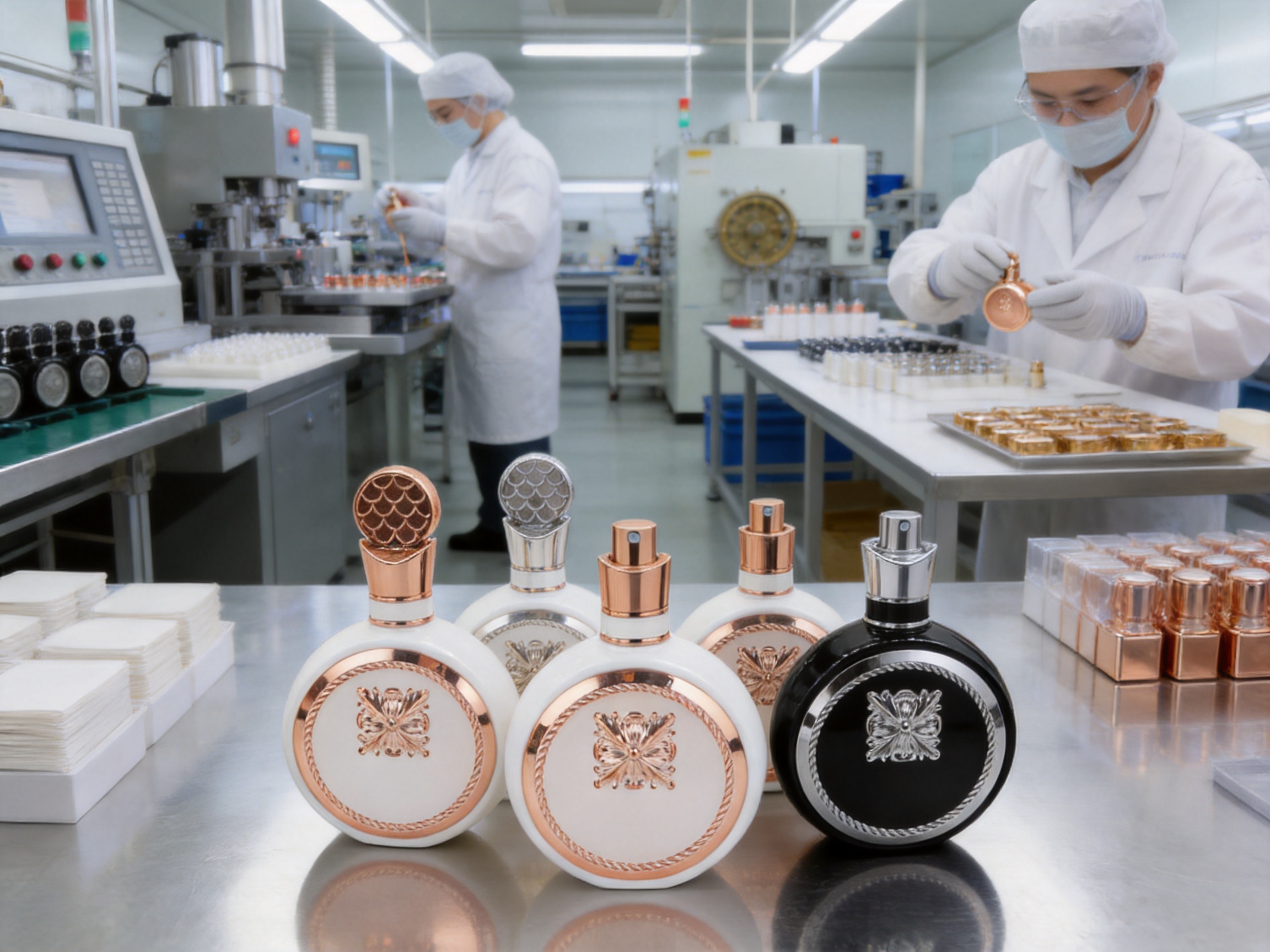
Q&A
What sizes are available for these perfume spray bottles?
The collection is available in 30ml, 50ml, 100ml, and 200ml formats. These sizes can support travel products, discovery sets, standard retail perfumes, gift products, and collector’s editions.
What is the main design feature of the bottle?
The main design feature is the slim, rounded disc-shaped body. It creates a distinctive silhouette, provides a broad front area for an emblem or logo, and is designed to remain comfortable to hold during spraying.
What color combinations are offered?
The highlighted combinations are pure white with rose gold and black with sparkling silver. The first supports a softer and more elegant aesthetic, while the second creates a stronger and deeper appearance suitable for masculine, woody, leather, or oriental fragrance concepts.
Can the central emblem be customized?
Yes. Customers can discuss exclusive badge patterns, brand logos, decorative motifs, and other front-surface details. Final customization depends on artwork, production method, quantity, and technical feasibility.
Can the glass coating color be changed?
High-end customization may include specific glass coating colors. The exact color and surface effect should be confirmed through physical samples because the final appearance can vary according to coating density, lighting, glass characteristics, and decoration method.
What makes the cap different from a standard perfume cap?
The cap features an embossed texture inspired by fish scales or armor. This pattern creates additional visual depth and may provide a more distinctive grip than a completely smooth cap.
Are these bottles suitable for both men’s and women’s perfumes?
Yes. The bottle architecture can support both product directions. White and rose gold can complement floral or sweet women’s fragrances, while black and silver can support men’s, unisex, woody, leather, smoky, or oriental perfumes.
Can the bottles be used for Middle Eastern fragrance brands?
Yes. The decorative emblem, metallic detailing, rounded form, and customization options are suitable for brands targeting Middle Eastern luxury and gift markets. Customers can develop regionally relevant artwork and color combinations during the customization process.
What manufacturing services does DEPRAG provide?
DEPRAG provides product research and development, design, mold manufacturing, plastic injection molding, blow molding, gilding, printing, UV coating, product testing, warehousing, and technical support. The company can provide standard designs as well as customized molds.
Why is an integrated manufacturing process useful?
An integrated process can reduce communication gaps between product design, tooling, molding, decoration, testing, and warehousing. It allows technical issues to be considered earlier and can help maintain consistency between approved samples and mass-produced goods.
What should buyers confirm before placing an order?
Buyers should confirm the required sizes, bottle and sprayer specifications, cap details, emblem artwork, coating colors, decoration methods, quality standards, packaging configuration, order quantity, delivery schedule, and storage requirements.
Are samples recommended before mass production?
Yes. Samples allow buyers to evaluate the physical appearance, color, emblem, cap texture, fit, balance, spray components, and overall suitability for the intended fragrance. Sample approval is an important step before mass production.
Conclusion
The 200ml, 100ml, 50ml, and 30ml glass perfume spray bottles provide a strong combination of distinctive design, size flexibility, regional relevance, and customization potential. Their slim disc-shaped body creates immediate recognition, while the central metallic emblem offers a powerful platform for brand identity. The textured cap adds a tactile and visual feature that helps the collection stand apart from ordinary smooth-cap perfume packaging.
The two highlighted color directions support different fragrance categories. Pure white and rose gold can communicate elegance, softness, and feminine luxury, while black and sparkling silver can express depth, confidence, and masculine sophistication. With the right emblem, carton, and fragrance story, the same bottle family can serve women’s perfume, men’s fragrance, unisex products, niche collections, and Middle Eastern gift markets.
The availability of four sizes enables brands to create a coordinated product portfolio covering travel, daily use, standard retail, and premium presentation. This flexibility can support multiple price levels and distribution channels while maintaining a consistent visual language.
Equally important is the manufacturer’s broad production capability. DEPRAG Plastic Products Co., Ltd. supports research and development, design, tooling, molding, decoration, testing, warehousing, and technical assistance. Its location in Cixi, within a developed plastics manufacturing region and near major transportation connections, provides a practical foundation for domestic and international packaging projects.
For fragrance brands seeking packaging with a stronger identity than a conventional stock bottle, this collection offers a compelling development platform. By combining cultural inspiration, modern manufacturing, carefully coordinated finishes, and flexible customization, it can help transform a perfume container into a recognizable luxury product asset.
References
1. DEPRAG Plastic Products Co., Ltd. Product and company information supplied for this article.
2. Cosmetic Packaging Design Principles: Form, Function, Decoration, and Brand Identity. Industry reference material.
3. Fragrance Packaging Development: Glass Containers, Closures, Sprayers, and Quality Evaluation. Packaging technology reference material.
4. Injection Molding and Decorative Finishing for Cosmetic Components. Manufacturing process reference material.
5. Luxury Branding and Retail Presentation in the Fragrance Industry. Marketing and packaging reference material.
6. Packaging Quality Management: Sampling, Inspection, Testing, and Production Approval. Quality assurance reference material.
Product: 200ml/100ml/50ml/30ml glass perfume spray bottles

-
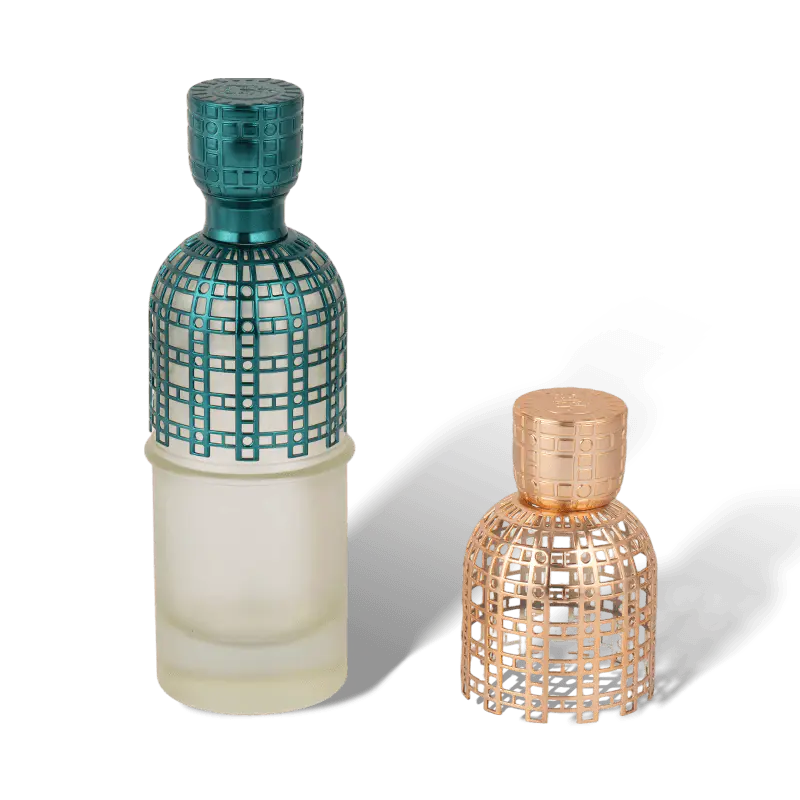 Gold 200ml/100ml/50ml/30ml Empty Arabic Dubai Glass Luxury Perfume Bottles
-
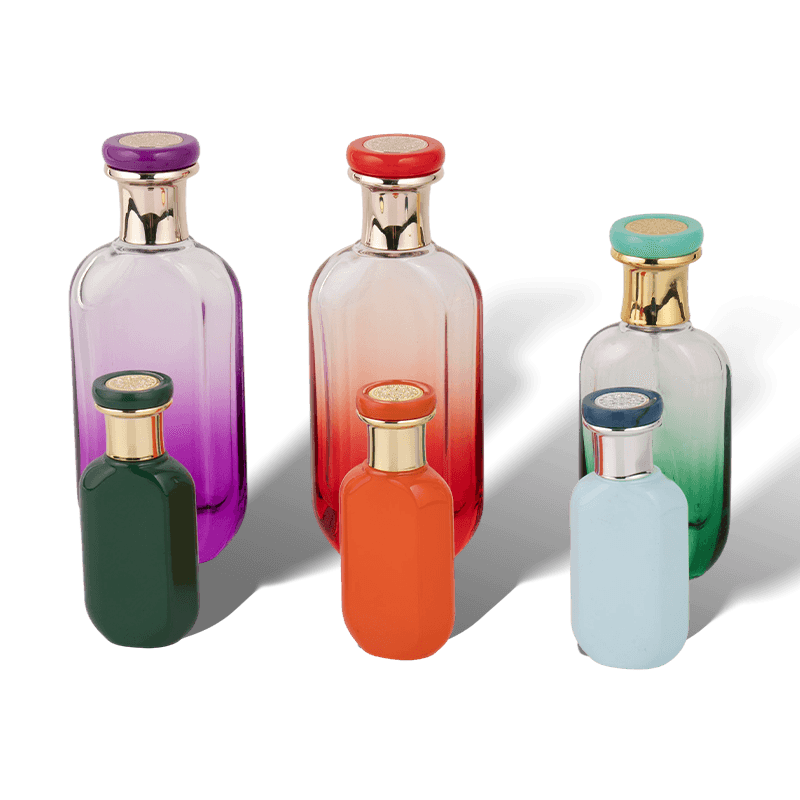 Recyclable Rectangular 30ml/50ml/100ml Glass Perfume Spray Luxury Perfume Bottle
-
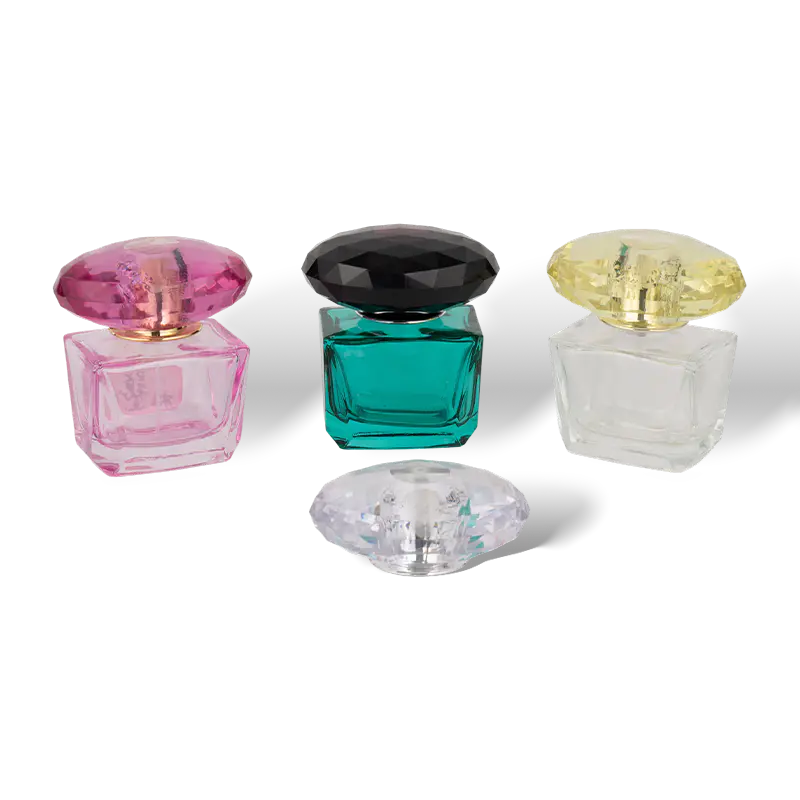 30ml/50ml/100ml/200ml Luxury perfume glass spray bottles
-
 30ml/50ml/100ml/200ml Luxury empty round spray perfume bottles
-
 Luxury glass perfume bottles 30ml/50ml/100ml/200ml
-
 100ml Luxury Empty Glass Perfume Bottle
- +86 13968274500
- +86 13764345885
- ysgl@vip.163.com
- No. 10-18, Gaoxiakeng, Dongputou Village, Zhangqi Town