English
 中文简体
 Français
 Español
 عربى



30ml, 50ml and 120ml Round PP Skincare Packaging for Modern Cosmetic Brands
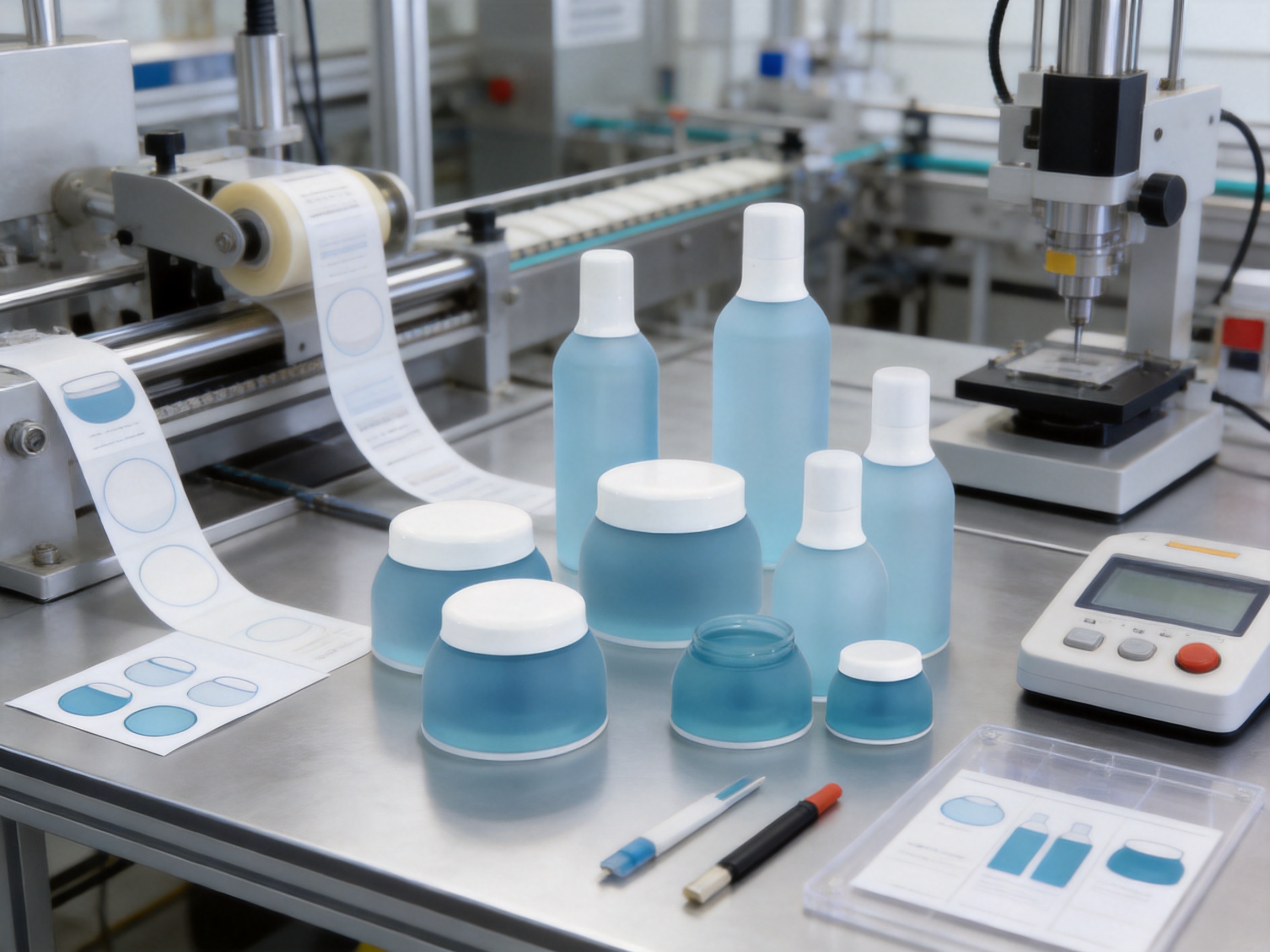
Introduction: Packaging Designed Around Hydration and Daily Skincare
In the competitive skincare market, packaging is no longer a simple container for creams, lotions, or essences. It is an essential part of the product experience, a visual representation of a brand’s values, and a practical tool for protecting formulas throughout their service life. Consumers increasingly expect cosmetic packaging to look refined, feel comfortable in the hand, support convenient dispensing, and communicate product benefits before the package is opened. The 30ml, 50ml, and 120ml round skincare packaging series described in this article has been developed to meet these expectations through a balanced combination of Korean-inspired aesthetics, functional PP construction, coordinated product sizes, and flexible customization.
The collection includes round cream jars and slender lotion or essence bottles in several capacities. The soft, rounded silhouettes create a friendly and contemporary appearance, while the aurora frosted blue finish establishes an immediate visual association with water, freshness, purity, and professional skincare. A contrasting white cap completes the design, producing a clear and recognizable color language for moisturizing creams, hydrating lotions, sensitive-skin products, sleeping masks, serums, and repair-focused formulas.
Although the packaging has a luxurious appearance, it is manufactured from polypropylene, commonly known as PP. This material provides a practical alternative to heavier or more fragile packaging materials. PP is lightweight, resistant to everyday impact, chemically stable for many common cosmetic applications, and suitable for efficient mass production. These characteristics can help brands control transportation costs, minimize breakage-related waste, and create reliable packaging for both retail and professional skincare channels.
Behind the product is DEPRAG Plastic Products Co., Ltd., a China-based packaging manufacturer specializing in containers for cosmetics, medicines, daily chemical products, and other plastic applications. Its capabilities extend across product research and development, design, mold manufacturing, injection molding, blow molding, printing, gilding, UV coating, testing, and warehousing. This integrated structure allows customers to work with one supplier through multiple stages of development instead of coordinating every process separately.
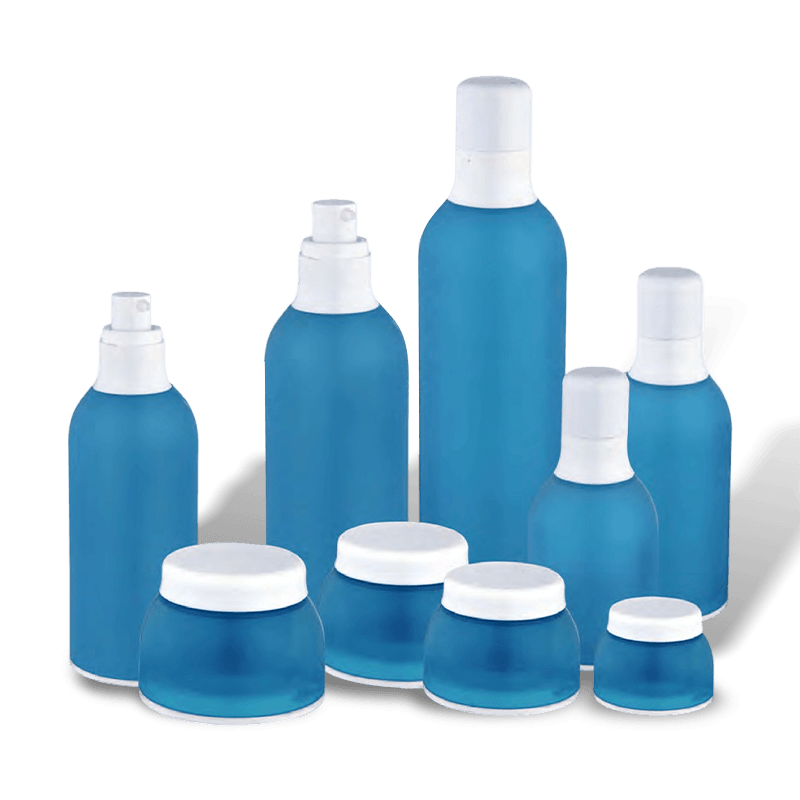
30ml/50ml/120ml Round luxury skincare cream jar plastic moisturizing cream packaging bottle
Aesthetic Design: Korean-Inspired Softness with a Premium Surface
The design language of this series is based on a modern Korean skincare aesthetic. Korean cosmetic packaging often emphasizes visual calm, soft geometry, clean color combinations, and a sense of gentle effectiveness. The round body of this collection follows that direction while remaining practical for everyday use. Rather than relying on sharp corners or highly technical angles, the containers use smooth contours and slightly convex surfaces to create an approachable and comfortable appearance.
Rounded packaging can offer several advantages over rigid rectangular designs. Its softer outline is easy to recognize on a shelf and can make a product appear more suitable for moisturizing, soothing, and sensitive-skin applications. The curved body also sits comfortably in the palm, which is important for products used repeatedly in bathrooms, bedrooms, salons, spas, and professional skincare environments. A comfortable container encourages an easy, positive interaction with the product every time it is picked up.
The frosted blue surface is one of the most distinctive features of the collection. Its semi-transparent appearance suggests cool water, concentrated hydration, and clean formulation. The finish is particularly suitable for brands that want their packaging to communicate a fresh, scientific, or calming identity without using overly complicated graphics. It creates visual depth while maintaining a restrained overall appearance.
Unlike a glossy surface, a fine matte finish helps reduce the visibility of fingerprints and minor handling marks. This is valuable for premium products that must maintain a clean presentation during display and use. The frosted effect also creates a tactile difference. When consumers hold the bottle or jar, the surface feels smoother and more refined than ordinary untreated plastic. This velvet-like touch can help bridge the perceived gap between plastic packaging and more expensive glass packaging.
The pure white cap provides a strong contrast with the blue container. This combination can be used to communicate several product concepts, including deep hydration, skin barrier support, sensitive-skin care, professional repair, and daily moisture replenishment. Because the color scheme is clear and adaptable, it can support different brand positions while preserving a coherent product family across multiple sizes.
Why Rounded Packaging Performs Well in Skincare
Skincare products are closely connected to comfort and personal care. Packaging with soft curves can reinforce these emotional associations more effectively than packaging with aggressive or highly mechanical geometry. Rounded containers often appear gentle, modern, and easy to use, making them appropriate for products intended for daily routines.
The curved profile also provides a broad visual area for logos, product names, ingredient claims, and decorative treatments. A brand can use the front panel for its primary identity while reserving other surfaces for instructions, regulatory information, batch details, or secondary design elements. This is especially useful when the same basic container is planned for several products in a collection.
From a product development perspective, a coordinated rounded style allows brands to create a consistent family without making every item identical. A 30ml bottle can serve as a travel or trial format, a 50ml jar can serve as a standard cream format, and a 120ml bottle can represent a full-size lotion or toner. When these sizes share a similar color and finish, consumers can immediately connect them as part of the same skincare system.
Material Advantages of PP Cosmetic Packaging
Polypropylene is widely used in cosmetic packaging because it offers a useful combination of low weight, durability, processability, and chemical stability. For skincare brands, these characteristics can contribute to dependable package performance without adding unnecessary material or transportation burden.
One of the most important advantages of PP is its lightweight structure. Compared with many glass containers, PP bottles and jars are easier to move, pack, and distribute. A lighter package may help reduce shipping weight across domestic and international supply chains. It can also be more convenient for consumers to carry, particularly when the product is designed for travel, gym bags, handbags, hotel amenities, or professional treatment kits.
PP is also resistant to many forms of everyday impact. A dropped container may still require inspection, but plastic packaging is generally less likely to shatter into dangerous fragments than glass. This characteristic is useful for bathroom products, where wet hands, hard countertops, and accidental drops are common. Improved resistance to handling damage can support a more reliable user experience and reduce product loss caused by breakage.
Chemical compatibility is another important consideration. The collection is designed for use with many common skincare formulations, including products containing moisturizing ingredients such as hyaluronic acid and ceramides. Formula compatibility must always be confirmed through specific stability testing, but PP is widely selected for cosmetic applications because it can provide a stable barrier between the formula and the outside environment.
The material is also well suited to injection molding and other efficient manufacturing processes. This supports repeatable production of consistent shapes, controlled wall structures, and coordinated components. Consistency is essential for brands that need thousands of units with uniform color, dimensions, fit, and surface quality.
PP Compared with Conventional Glass Packaging
Glass has a long-standing association with luxury, but it also introduces practical limitations. It is heavier, more fragile, and often more expensive to transport. Glass containers may require additional protective packaging and more careful handling during filling, warehousing, and delivery. For brands selling through e-commerce or distributing products internationally, these factors can increase logistical complexity.
PP allows brands to create a premium appearance through shape, frosting, color, printing, and finishing rather than relying solely on material weight. The aurora frosted blue finish gives the container visual sophistication, while the rounded form creates a comfortable and polished profile. As a result, brands can achieve a luxury-inspired appearance while retaining the functional advantages of plastic.
Plastic packaging can also provide greater design flexibility. PP components can be molded into coordinated shapes for jars, bottles, caps, collars, and other parts. The same manufacturing platform can support multiple capacities and product formats, making it easier to develop a complete range rather than a single isolated package.
Material Selection and Product Stability
Packaging is part of the formulation protection system. A suitable container should help preserve the product against handling, external contamination, moisture exposure, and unnecessary interaction with the surrounding environment. The bottle and jar formats in this series are intended to provide a stable housing for a broad selection of skincare products.
Brands should evaluate the final formula, viscosity, fragrance, active ingredients, filling temperature, storage conditions, and expected shelf life before approving the packaging. DEPRAG’s technical support and testing capabilities can help customers assess these requirements during development. Compatibility testing remains essential because the performance of any cosmetic container depends on the specific formula and closure system selected.
Complete Packaging Matrix for Skincare Collections
A major advantage of this series is its ability to support a coordinated product matrix. Instead of developing separate packaging styles for every item, a brand can use related bottle and jar formats to create a consistent shelf presence. This approach helps simplify visual branding and may improve efficiency during product line expansion.
| Packaging format | Available capacity | Typical application | Primary design benefit |
|---|---|---|---|
| Round cream jar | 30g and 50g | Face cream, night cream, sleeping mask, rich moisturizer | Stable base, wide opening, premium tactile appearance |
| Slender skincare bottle | 30ml and 50ml | Essence, serum, emulsion, concentrated treatment | Portable size and controlled dispensing |
| Full-size skincare bottle | 120ml | Lotion, toner, hydrating essence, daily treatment | Higher capacity for regular home use |
| Related product formats | Additional capacities may be discussed | Daily chemical and skincare collections | Flexible line extension and coordinated branding |
The 30g cream jar is suitable for compact premium products, trial collections, travel sets, and specialized treatments. It can also serve as an entry-level size for a new product line. The 50g jar is a familiar format for facial moisturizers and sleeping masks, giving consumers a practical quantity for routine use.
The 30ml bottle can support concentrated products, travel kits, and sample-to-full-size conversion programs. A 50ml bottle offers additional capacity while remaining relatively compact. The 120ml format is appropriate for products used more frequently or applied over larger areas, such as hydrating lotions, toners, and daily emulsions.
Using several sizes within one design family can improve merchandising. Products can be displayed together in a skincare regimen, with each package communicating its role through the label, capacity, and dispensing format. The consistent blue and white appearance helps consumers understand that the products belong to one brand or collection.
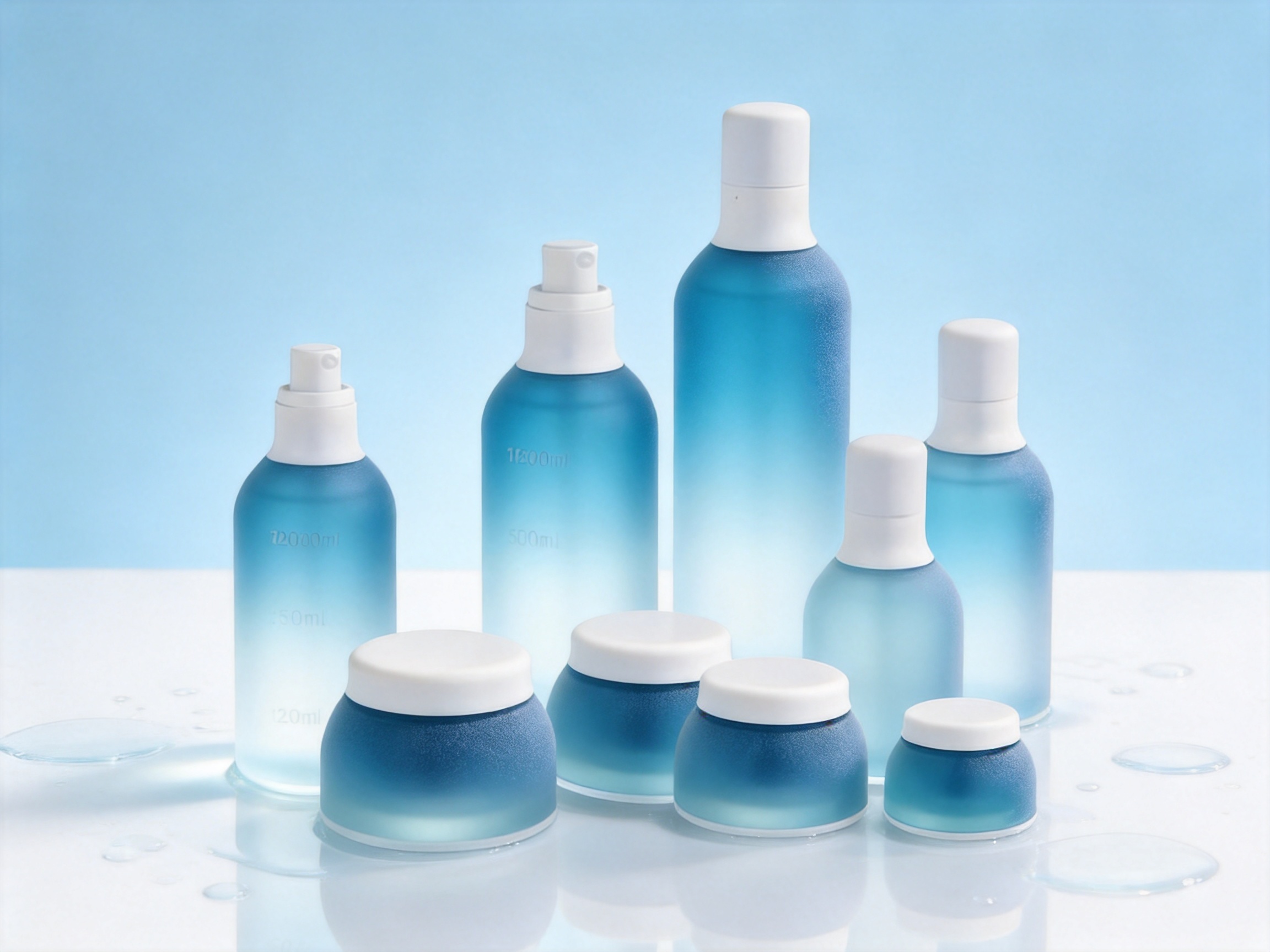
Functional Packaging for Creams, Lotions, and Essences
Round Cream Jars
The cream jars are available in 30g and 50g formats. Their low, stable profiles are well suited to richer skincare products, including moisturizing creams, barrier creams, sleeping masks, and intensive repair formulas. The broad top surface offers an effective area for branding and decorative finishing, while the stable base helps the jar remain secure on bathroom counters, vanity tables, retail displays, and treatment-room shelves.
A cream jar format is often selected when consumers need to access a thicker formula with a finger, spatula, or cosmetic applicator. Its wide opening can make it easier to remove products with a dense or whipped texture. Depending on the final closure configuration, the jar can be integrated into a premium skincare collection that emphasizes indulgence, nourishment, and intensive moisture.
The rounded geometry supports a pleasant hand feel and reduces the visual heaviness that can occur with thick-walled square jars. The frosted blue body gives the cream jar a more elevated appearance, while the white cap creates a clean and consistent finish. This makes the format suitable for both independent skincare labels and larger product ranges seeking a modern, calming identity.
Slender Lotion and Essence Bottles
The bottle formats are designed for liquid and semi-liquid skincare products. Available in 30ml, 50ml, and 120ml capacities, they can accommodate different stages of a skincare routine. Depending on the selected pump and internal component, the bottles may be used for lotions, emulsions, essences, serums, and other products that benefit from controlled dispensing.
The precision pump helps deliver measured portions and can reduce unnecessary product waste during use. Controlled dispensing is especially helpful for concentrated skincare formulas, where consumers need a consistent amount for each application. A pump also reduces the need to place fingers directly into the product, which can support a cleaner and more convenient routine.
The transparent protective cap adds an additional layer of protection for the pump. It can help prevent accidental activation during transportation and reduce exposure to dust or external contact when the product is not being used. The cap also allows the pump and bottle neck to remain visually coordinated with the overall design.
For brands offering several formulas, the bottle can serve as a common platform. The same exterior can be decorated differently for a hydrating essence, a ceramide lotion, a brightening treatment, or a sensitive-skin repair product. This simplifies visual portfolio management while allowing each formula to maintain its own identity.
Surface Finishing and Custom Decoration Options
Packaging decoration is essential for converting a standard container into a recognizable brand asset. The frosted blue surface provides a refined background for logos, product names, ingredient information, and decorative graphics. DEPRAG supports several customization options that can be selected according to the desired market position and visual style.
White Ink Screen Printing
White ink screen printing is particularly effective on a deep or frosted blue background. White text creates a clean contrast and supports a minimalist appearance. It can be used for brand marks, product names, dosage information, usage instructions, and other essential details. The technique is suitable for brands that want a controlled, modern, and highly legible result.
Hot Stamping
Hot stamping can introduce metallic or specialty accents to the container. Gold, silver, and other decorative effects may be used to emphasize a logo, highlight a collection name, or create a more luxurious visual impression. When applied selectively, hot stamping can enhance the premium character of the package without overwhelming the soft blue and white design.
Laser Engraving
Laser engraving offers a different type of decoration. It can create a precise, permanent-looking mark with a refined technical character. This may be appropriate for brands that want a subtle, contemporary appearance or a tactile detail that differs from printed graphics. The final visual result depends on the surface treatment, artwork, and production specifications.
UV Coating and Additional Finishing
UV coating can be used as part of a broader decoration and surface-treatment strategy. Gloss and matte effects may be combined to create contrast between selected areas of the artwork and the frosted body. These details can help guide consumer attention toward the logo or key product information. The appropriate finish should be evaluated against the desired shelf appearance, handling conditions, and production volume.
Customization is most effective when it begins during the design stage rather than after the container has already been selected. Artwork dimensions, print locations, color requirements, cap decoration, and finish compatibility should be reviewed together. DEPRAG’s integrated manufacturing capabilities allow these factors to be considered alongside molding and assembly requirements.
Manufacturing Strengths and Integrated Production Capabilities
The quality of a cosmetic package depends not only on its visible design but also on the manufacturing system behind it. DEPRAG Plastic Products Co., Ltd. provides an integrated production process covering product development, industrial design, mold manufacturing, plastic molding, finishing, inspection, and warehousing. This structure can improve coordination between departments and reduce the risk of miscommunication during development.
Product Research and Development
Product research and development is the starting point for translating a market concept into a manufacturable package. The company’s experienced research and development team can evaluate shape, capacity, component relationships, production requirements, and decoration options. A strong development stage helps identify potential problems before mold production begins.
For a skincare brand, development may involve reviewing the formula’s viscosity, the preferred dispensing method, the required fill volume, the intended user experience, and the desired decorative treatment. By considering these factors together, the package can be developed as a complete system rather than as an isolated bottle or jar.
Industrial Design and Mold Manufacturing
Industrial design determines the visual and ergonomic character of the package. It includes the body shape, cap proportions, transitions between components, surface details, and overall product balance. Mold manufacturing then converts that design into production tooling capable of forming repeatable plastic components.
Accurate molds are essential for maintaining consistent wall thickness, dimensional stability, cap fit, pump alignment, and visual quality. They also influence the final appearance of rounded surfaces and frosted textures. When the design and mold teams work closely together, the result is more likely to preserve the original aesthetic intent while meeting production requirements.
Plastic Injection Molding and Blow Molding
Plastic injection molding and blow molding are important parts of the company’s manufacturing capabilities. The appropriate method depends on the component, its geometry, material requirements, and intended production volume. Injection molding can support detailed parts and precise component structures, while blow molding can be used for suitable bottle forms and hollow containers.
Modern molding equipment helps produce containers with consistent dimensions and repeatable appearance. Production controls may include monitoring of material processing, mold conditions, cooling, cycle stability, and component inspection. Consistency is especially important for cosmetic packaging because even small differences in color, fit, or surface appearance can affect the perceived quality of the finished product.
Printing, Gilding, and Surface Treatment
After molding, the packaging can move through decoration and surface-treatment processes. These include printing, gilding, UV coating, and related finishing operations. Having these capabilities within the same manufacturing organization can help reduce the complexity of managing external suppliers.
Integrated finishing also allows the company to coordinate decoration with the container’s material and surface treatment. For example, the frosted blue body must be evaluated as a background for white ink, metallic stamping, or laser work. Proper coordination helps ensure that the final decoration remains clear, durable, and visually aligned with the intended premium style.
Product Testing and Quality Control
Testing is an important stage in cosmetic packaging manufacturing. Depending on the project, evaluation may include dimensional checks, visual inspection, closure fit, pump operation, decoration adhesion, drop-related assessment, and compatibility considerations. Testing requirements should be agreed upon according to the product category, distribution channel, formula, and customer specifications.
Quality control is not limited to identifying defects at the end of production. It should be integrated into material handling, molding, finishing, assembly, packing, and warehousing. A systematic approach helps protect consistency from the first production unit to the final shipment.
Warehousing and Order Support
Warehousing is an important part of reliable packaging supply. Proper storage can help protect finished containers from contamination, excessive handling, and unnecessary damage before shipment. Coordinated warehousing and order support can be especially valuable for brands managing multiple sizes, decoration variations, or scheduled product launches.
DEPRAG’s location in Cixi, China, places the company within a developed plastic manufacturing area. Its proximity to the Hangzhou Bay Bridge, Ningbo’s Beilun deep-water port, and Hangzhou Xiaoshan International Airport supports convenient transportation and access to domestic and international logistics networks. This geographic position can help facilitate movement of materials, samples, finished goods, and export orders.
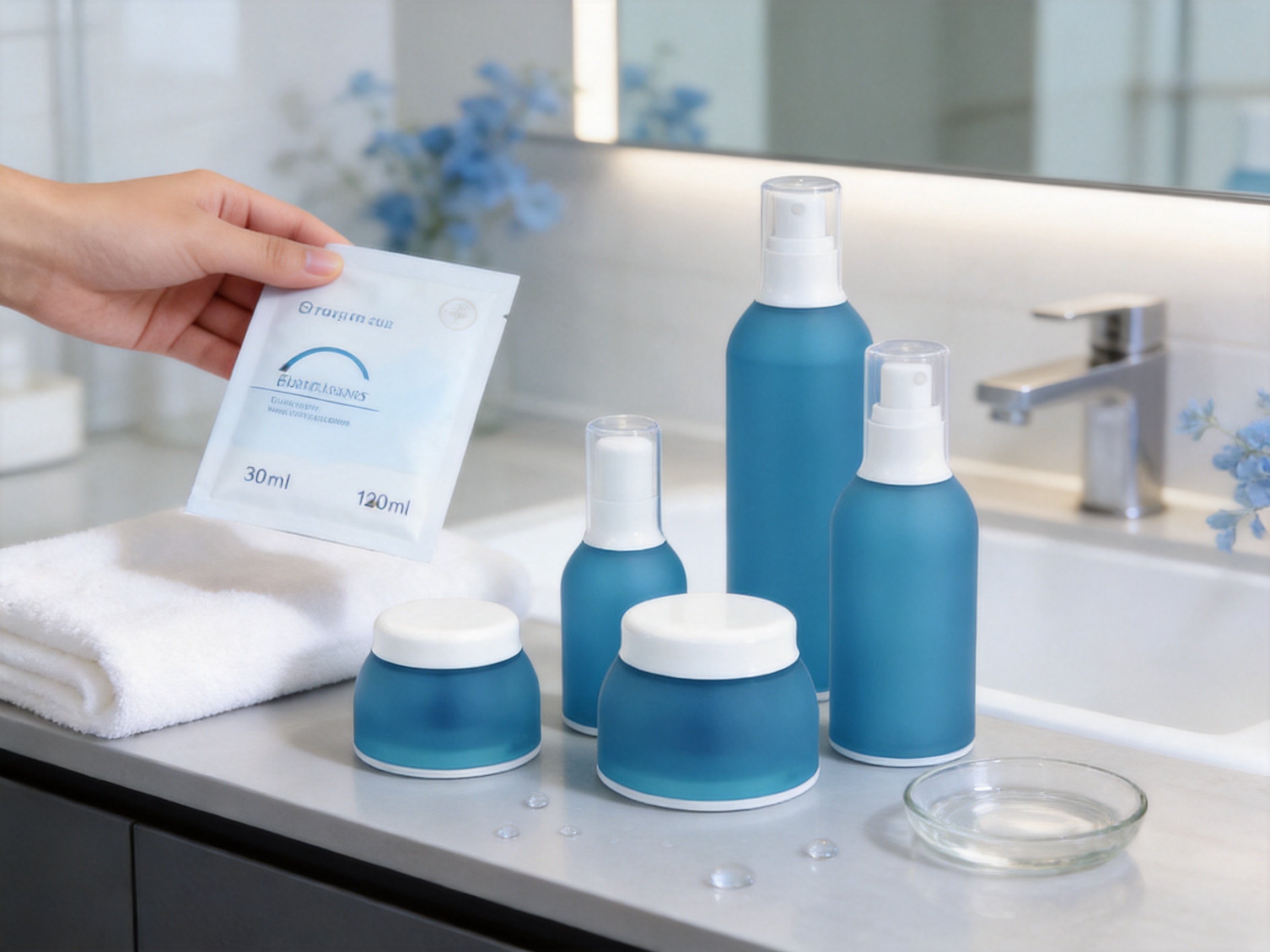
Advantages for Cosmetic Brands and Distributors
Premium Appearance without Excessive Weight
One of the most important competitive advantages of this packaging series is the combination of luxury-inspired appearance and lightweight PP construction. Brands can present a sophisticated product on the shelf while avoiding some of the logistical disadvantages associated with heavy glass containers. The frosted finish, rounded form, and coordinated color palette give the package a high-value appearance without relying exclusively on heavy material.
Flexible Product Line Development
The availability of several capacities gives brands room to build a structured skincare range. A company may launch a small 30ml treatment, a 50ml daily product, and a 120ml lotion using a related visual system. This makes it easier to communicate a complete routine and can support future product extensions.
Broad Application Potential
The collection can be adapted for hydrating, moisturizing, soothing, repairing, and sensitive-skin product concepts. It may be suitable for face creams, sleeping masks, lotions, toners, essences, serums, emulsions, and other daily skincare items. The neutral yet distinctive blue and white appearance allows the same base design to serve different formulations and market segments.
Improved Consumer Handling
The rounded body and matte surface contribute to a comfortable handling experience. The surface is less likely to show fingerprints than a high-gloss finish, while the ergonomic shape can feel secure in the hand. The protective cap on bottle formats can help preserve the pump during storage and transport. Together, these details contribute to a more polished user experience.
OEM and Private-Label Suitability
OEM and private-label brands need packaging that can be customized without losing its structural quality. The series provides a strong foundation for custom logos, product names, color coding, and decorative effects. White ink screen printing, hot stamping, laser engraving, and UV coating offer multiple ways to create a unique identity.
For a new brand, the packaging can provide a professional starting point without requiring an entirely new container design. For an established brand, it can support a seasonal collection, a premium sub-line, or a specialized sensitive-skin range. The manufacturer’s ability to provide standard designs and customized molds gives buyers flexibility according to their budget, sales forecast, and positioning.
How the Packaging Can Support Different Market Positions
Packaging must match the expectations of the target market. The same basic container can be positioned differently through formula claims, artwork, finishing, labeling, and product assortment.
For a clinical skincare concept, the frosted blue body and white cap can reinforce a clean, technical, and professional identity. Minimal typography, white printing, and restrained decoration may suggest laboratory precision and dependable formulation.
For a natural or sensitive-skin concept, the rounded body and soft matte surface can communicate gentleness. A simplified label, muted secondary colors, and carefully selected ingredient messaging may create a calm and reassuring appearance.
For a luxury concept, metallic hot stamping, refined typography, and carefully controlled artwork can elevate the visual presentation. The round jar format is particularly suitable for rich creams and sleeping masks positioned as indulgent treatments.
For a travel or trial collection, the 30ml format offers a compact option. It can be paired with a 30g cream jar to create a small regimen set. For standard retail use, the 50ml formats provide familiar capacities, while the 120ml bottle can serve as a high-frequency daily product.
Development Considerations for Buyers
Before confirming a packaging project, buyers should define the formula, fill volume, dispensing requirements, closure preference, decoration method, expected order quantity, and target market. These details influence the final selection of container and components.
Formula viscosity is particularly important. Thin liquids, emulsions, gels, and rich creams may require different dispensing solutions. A pump system should be evaluated for output consistency, priming behavior, and compatibility with the formula. A jar should be evaluated for opening dimensions, filling method, closure fit, and consumer access.
Buyers should also confirm whether the stated capacity refers to nominal fill volume, overflow capacity, or a recommended working volume. Product developers should leave appropriate headspace where necessary and test the filled package under expected storage and transportation conditions.
Color and finish should be approved using production-representative samples whenever possible. Frosted surfaces can appear different under various lighting conditions, and printed colors may be influenced by the blue background. Artwork should therefore be reviewed on actual or closely matched sample materials before mass production.
Decoration requirements should also be discussed early. Screen printing, hot stamping, laser engraving, and UV coating may have different minimum order quantities, setup requirements, tolerances, and lead times. Early planning can help prevent delays and ensure that the finished package matches the intended brand standard.
Environmental and Operational Considerations
Packaging sustainability involves more than selecting a single material. It includes material quantity, product protection, transport efficiency, manufacturing efficiency, product loss, and end-of-life considerations. The lightweight construction of PP packaging can reduce the weight moved through the supply chain compared with heavier alternatives. Its resistance to everyday breakage may also help reduce losses caused by damaged containers.
Brands should evaluate local recycling systems, labeling requirements, component separation, and consumer disposal behavior when developing the final package. If the container includes several materials or decorative treatments, these factors should be reviewed as part of the complete packaging design.
Operational efficiency is another important consideration. A coordinated series can reduce the need to manage many unrelated container designs. Shared visual elements, similar component structures, and a single manufacturing partner may simplify purchasing, quality communication, and inventory planning.
The most appropriate packaging solution depends on the brand’s formula, market, distribution model, and sustainability objectives. DEPRAG can support discussions around material selection, manufacturing processes, customization, and technical requirements so that the final package is evaluated as part of the complete product system.
Why Work with an Integrated Packaging Manufacturer?
Working with an integrated manufacturer can provide advantages over purchasing individual services from several unrelated suppliers. When design, mold production, molding, decoration, testing, and warehousing are managed through one organization, project communication can be more direct. Technical decisions can be reviewed across departments, and potential conflicts between appearance and manufacturability can be identified earlier.
An integrated supplier can also provide a clearer path from concept to production. The customer can begin with a reference design or capacity requirement, review samples, make changes, approve decoration, and proceed toward mass production within a coordinated workflow. This can be useful for overseas buyers who prefer a single point of contact for packaging development.
DEPRAG’s experience with cosmetic, pharmaceutical, daily chemical, and other plastic containers provides a broad technical foundation. Its product range includes standard designs as well as customized molds. This allows customers to choose between a faster standard packaging solution and a more specialized package developed around a distinct brand requirement.
The company’s philosophy emphasizes long-term business relationships and technical support. For a brand, this means the relationship can extend beyond one purchase order. Future product sizes, updated artwork, new surface treatments, and additional packaging formats can be discussed with a supplier familiar with the original product requirements.
Q&A: Common Questions About the Round Skincare Packaging Series
What products are suitable for these containers?
The series is suitable for many skincare products, including moisturizing creams, sleeping masks, lotions, essences, emulsions, serums, toners, and sensitive-skin repair products. The final application should be confirmed through formula and packaging compatibility testing.
What sizes are available?
The principal bottle capacities are 30ml, 50ml, and 120ml. The cream jar formats are available in 30g and 50g. Additional specifications may be discussed according to project requirements and production planning.
What material is used?
The collection is made from polypropylene, or PP, a lightweight and chemically stable plastic commonly used for cosmetic packaging. PP offers good resistance to everyday impact and is suitable for efficient molding processes.
What makes the surface different from ordinary plastic packaging?
The container uses a fine frosted treatment that produces a semi-transparent matte effect. This creates a soft, velvet-like touch, reduces the appearance of fingerprints, and gives the package a more premium visual character.
Can the packaging be customized with a logo?
Yes. Customization options include high-precision white ink screen printing, hot stamping, laser engraving, UV coating, and other decoration approaches subject to artwork and production requirements.
Is the bottle supplied with a pump?
The slender lotion and essence bottle formats are described as being equipped with a precision pump and transparent protective cap. The exact pump output, component structure, and compatibility should be confirmed for the selected product and formula.
Why choose PP instead of glass?
PP is lighter and more resistant to everyday impact than glass. It can help reduce transportation weight and the risk of shattering during ordinary handling. It can also be molded into coordinated shapes and decorated with a wide range of finishing techniques.
Can one brand use several sizes as a complete product line?
Yes. The related blue and white visual system makes it possible to combine 30ml, 50ml, and 120ml bottles with 30g and 50g cream jars. This can help create a unified skincare routine and a consistent shelf presentation.
Does the manufacturer provide OEM support?
Yes. DEPRAG provides standard packaging products and supports customized molds and decoration. Buyers can discuss logo application, finishing, size requirements, and other project specifications with the technical and production teams.
What manufacturing processes are available?
The company provides product research and development, design, mold manufacturing, plastic injection molding, blow molding, gilding and printing, UV coating, product testing, and warehousing. These capabilities support an integrated development and production process.
Where is the manufacturer located?
DEPRAG Plastic Products Co., Ltd. is located in Cixi, China, within a developed plastic manufacturing area. The company is near the Hangzhou Bay Bridge and within convenient reach of Ningbo’s Beilun deep-water port and Hangzhou Xiaoshan International Airport.
Conclusion: A Balanced Solution for Premium Skincare Packaging
The 30ml, 50ml, and 120ml round PP skincare packaging series combines a recognizable Korean-inspired appearance with practical manufacturing and usage advantages. Its aurora frosted blue body, contrasting white cap, rounded ergonomic shape, and velvet-like surface create a modern visual identity for hydration, moisturizing, and sensitive-skin product lines.
The collection supports both cream jars and lotion or essence bottles, allowing brands to build coordinated regimens across several capacities. The 30g and 50g jars are appropriate for rich creams and sleeping masks, while the 30ml, 50ml, and 120ml bottles can support serums, essences, lotions, emulsions, and daily treatments. Precision pumps and protective caps add convenience to the bottle formats, while the stable jar design supports easy placement and product access.
PP construction provides lightweight handling, everyday impact resistance, and compatibility with many common skincare applications. The premium appearance is strengthened by frosted finishing and can be further customized through white ink screen printing, hot stamping, laser engraving, and UV coating.
Behind the product, DEPRAG provides an integrated manufacturing system that includes research and development, design, mold making, molding, decoration, testing, and warehousing. This complete capability can help cosmetic brands move more efficiently from packaging concept to finished product while maintaining control over quality, appearance, and supply coordination.
For skincare companies seeking packaging that looks refined, feels comfortable, supports multiple product formats, and can be customized for private-label or OEM programs, this round PP series offers a flexible and commercially practical foundation.
References
1. General principles of cosmetic packaging design, including usability, product protection, visual communication, and brand consistency.
2. Polypropylene material guidance for cosmetic and daily chemical packaging applications.
3. Packaging development practices for creams, lotions, essences, emulsions, and sensitive-skin products.
4. Principles of plastic injection molding, blow molding, mold manufacturing, and dimensional quality control.
5. General technical references for screen printing, hot stamping, laser engraving, and UV surface coating on plastic packaging.
6. Product and manufacturing information supplied for the 30ml, 50ml, and 120ml round PP skincare packaging series.
7. Company manufacturing information supplied for DEPRAG Plastic Products Co., Ltd., including research and development, molding, finishing, testing, warehousing, and OEM support.
Product: 30ml/50ml/120ml Round luxury skincare cream jar plastic moisturizing cream packaging bottle

-
30ml/50ml/120ml Round luxury skincare cream jar plastic moisturizing cream packaging bottle
-
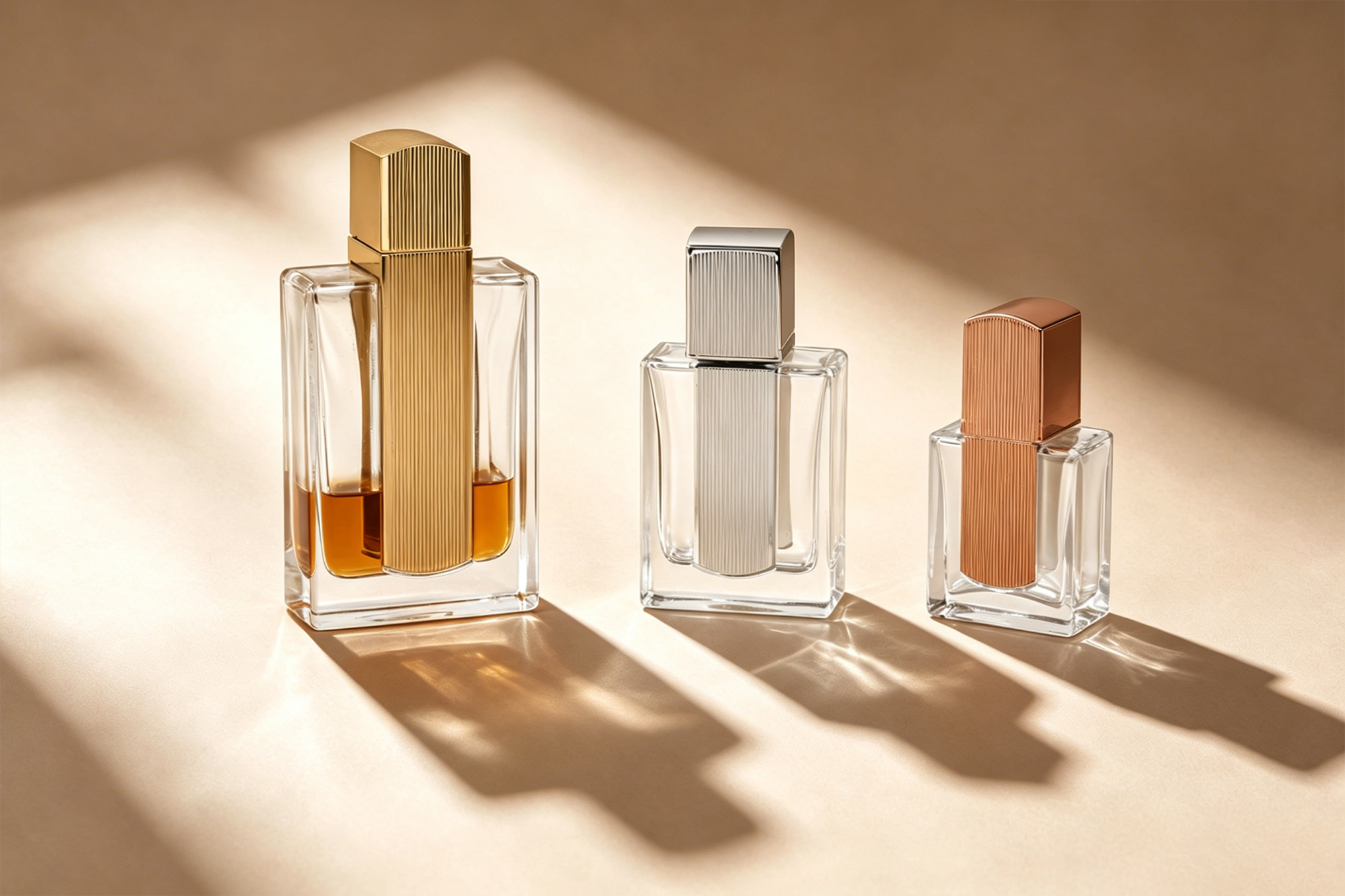
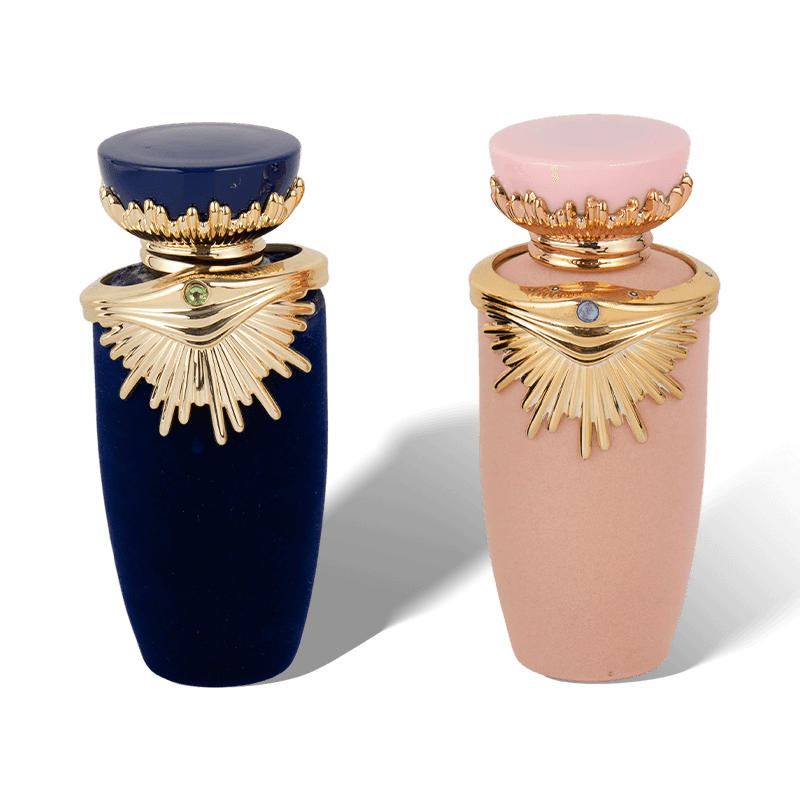 30ml/50ml/100ml high-end glass cosmetic and perfume bottles
-
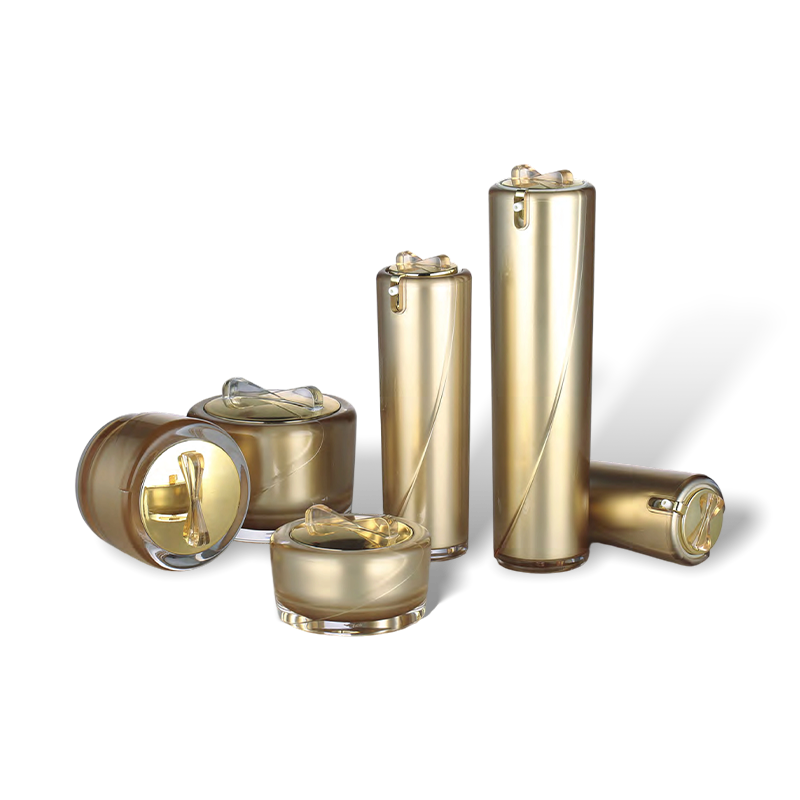 DP-A-020 120ml Green Acrylic Cream Bottle 50g Blue Acrylic Cosmetic Container 50ml Acrylic Jar and Bottles
-
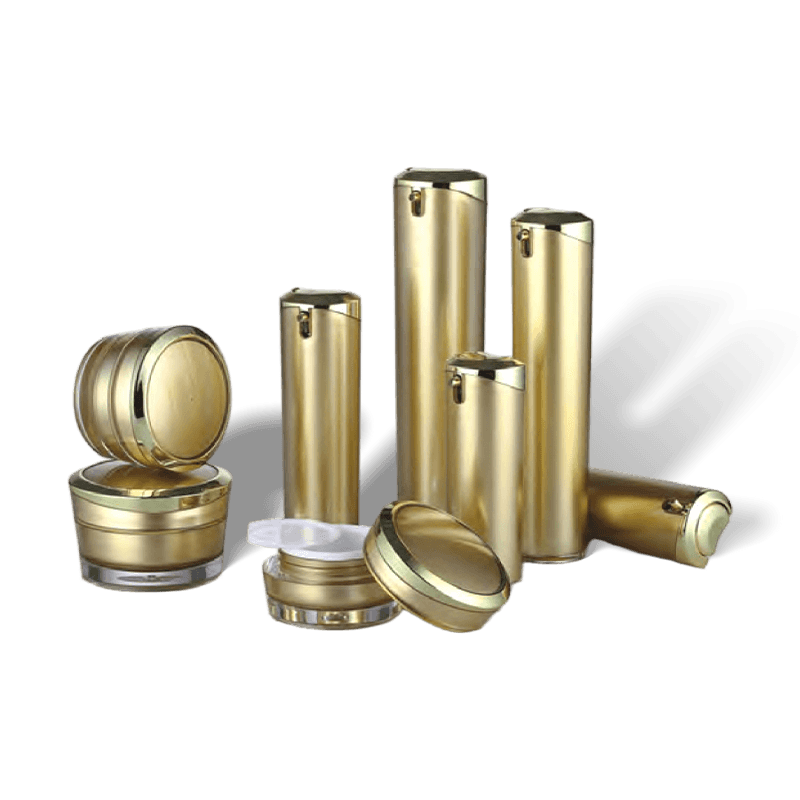 DP-A-004 30ml/50ml/80ml/100ml/120ml High-end skincare packaging
-
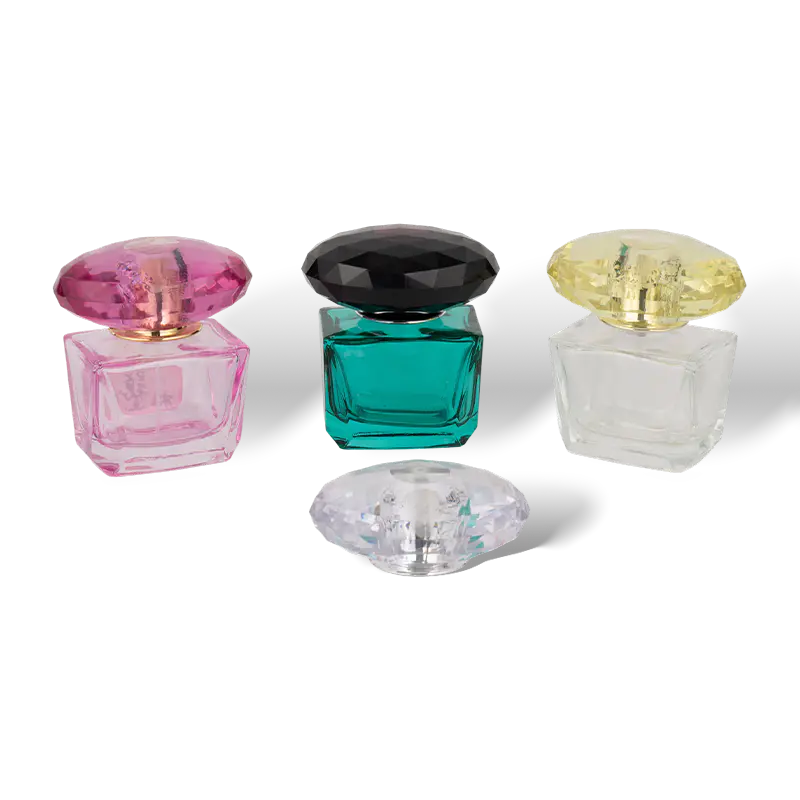 30ml/50ml/100ml/200ml Luxury perfume glass spray bottles
-
 30ml/50ml/100ml/200ml Luxury empty round spray perfume bottles
- +86 13968274500
- +86 13764345885
- ysgl@vip.163.com
- No. 10-18, Gaoxiakeng, Dongputou Village, Zhangqi Town