English
 中文简体
 Français
 Español
 عربى



50g Round PP Baby Care Packaging: Safe, Colorful, and Customizable Skincare Containers
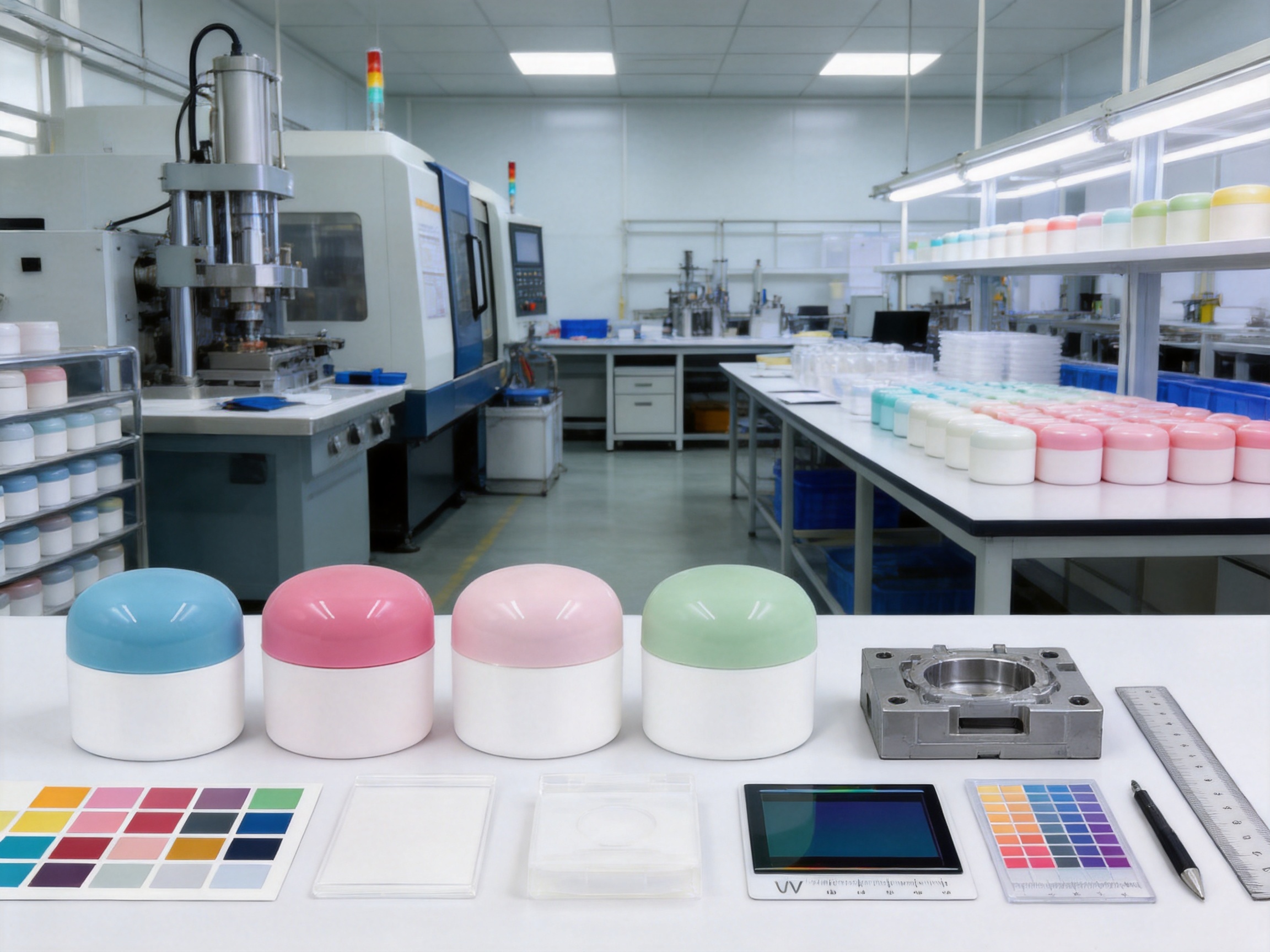
In the children’s skincare market, packaging must do more than hold a formulation. It must communicate safety, softness, cleanliness, and trust at the first point of contact. Parents naturally examine the materials, closure, appearance, and usability of a baby-care product before making a purchase, while children often respond to friendly shapes and bright colors. The 50g baby care round plastic bottle has been developed around these expectations, combining a child-friendly spherical profile with practical PP construction, dependable sealing, flexible decoration options, and an attractive color system.
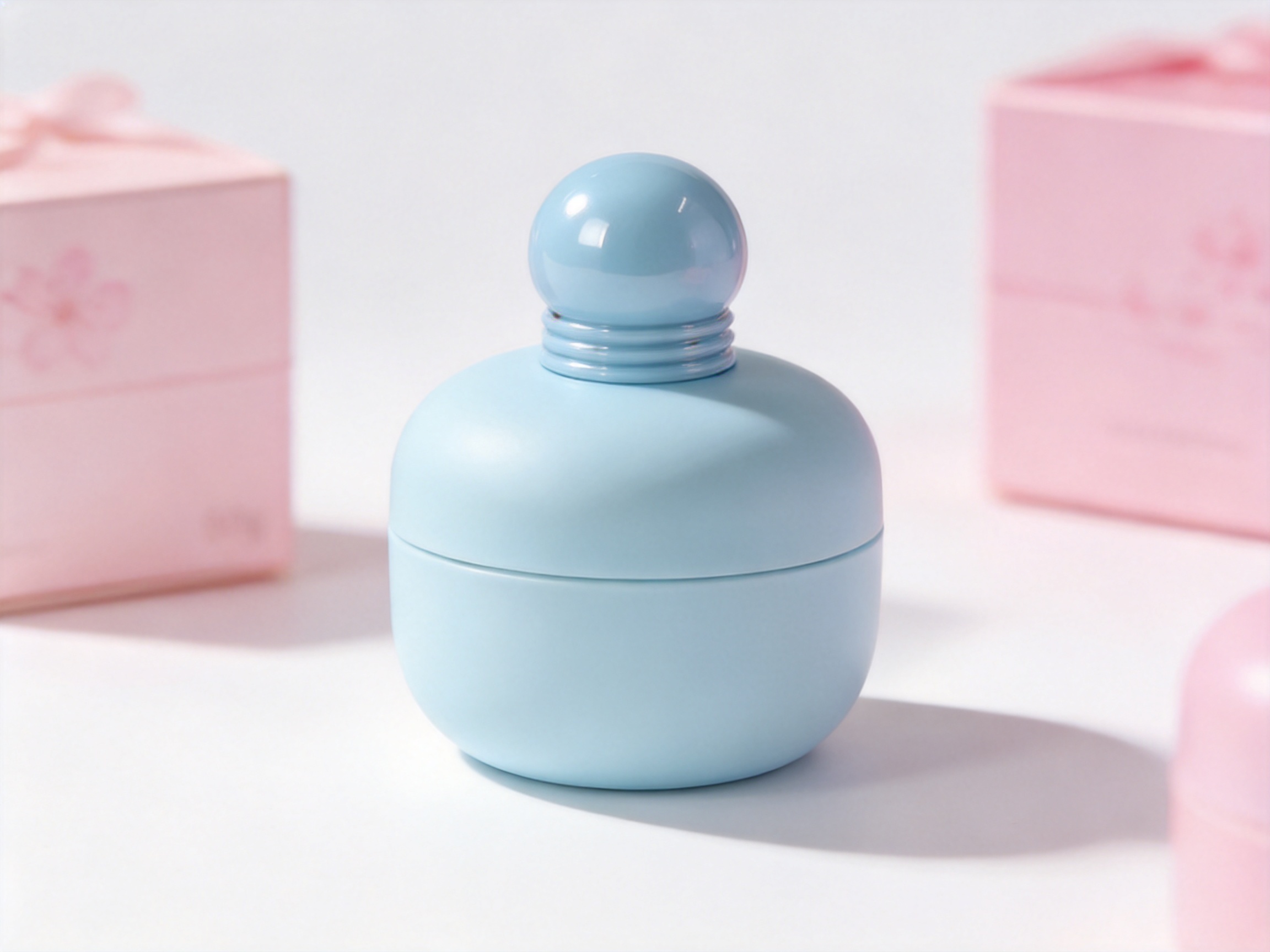
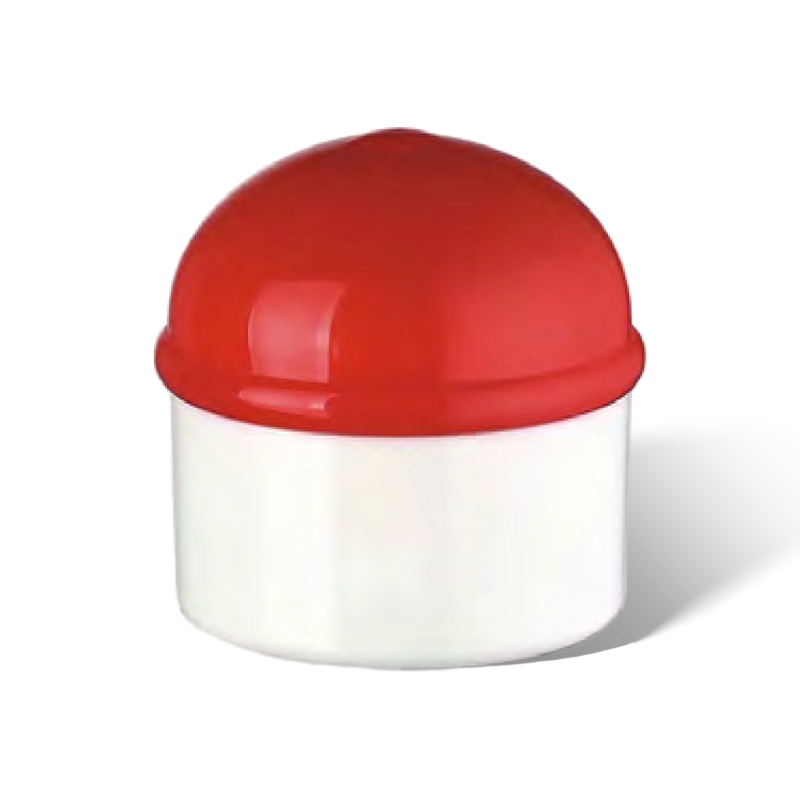
Designed for face creams, moisturizing products, diaper rash creams, body scrubs, and other sensitive-skin applications, this packaging series provides a balanced solution for brands seeking both emotional appeal and reliable performance. Its rounded form avoids the severe, angular appearance often associated with adult cosmetic containers. A smooth, pebble-like surface makes the package comfortable to hold, while the contrast between the polished cap and matte body creates a refined appearance that can elevate a baby-care product above ordinary mass-market packaging.
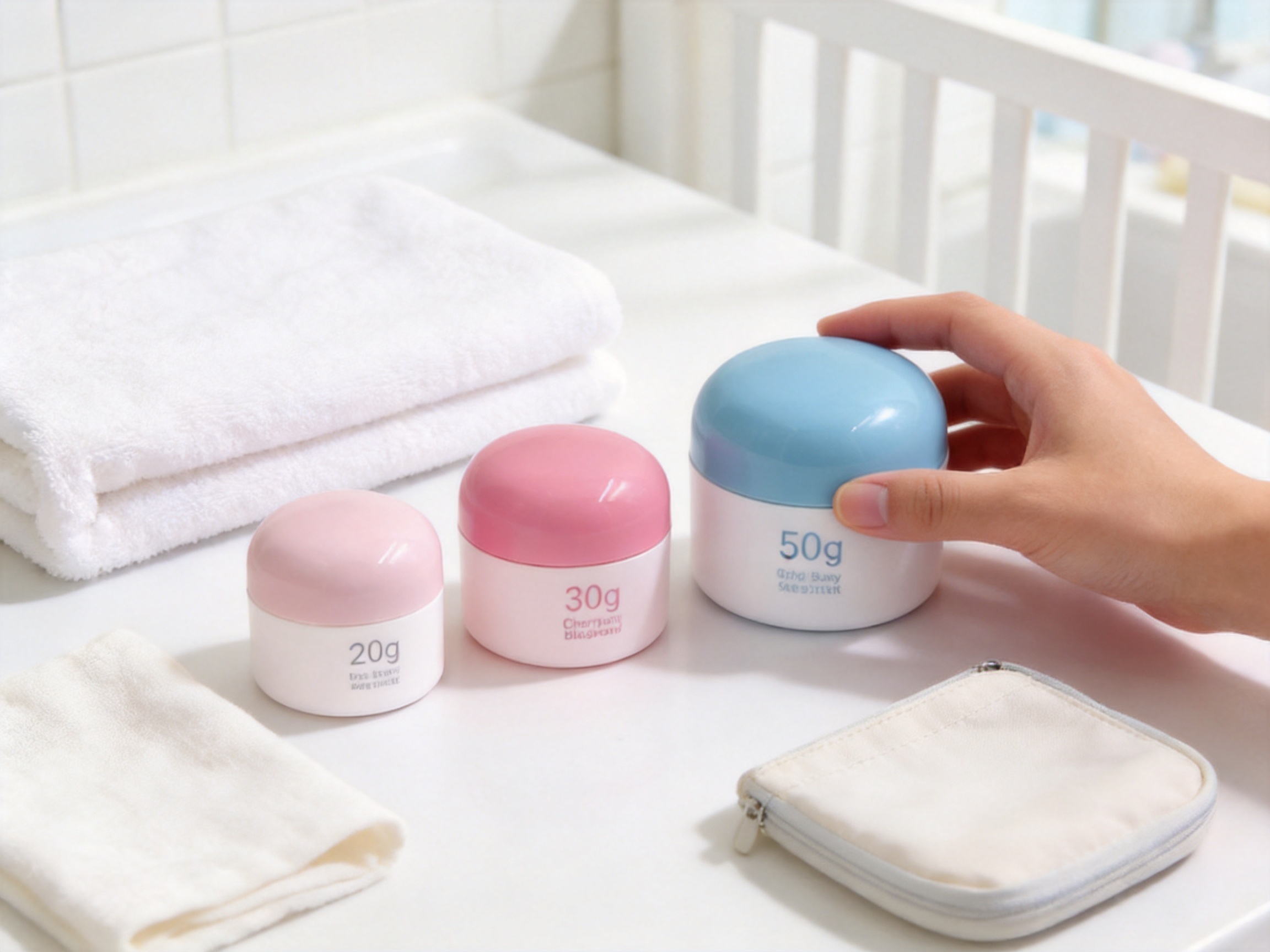
Although the featured capacity is 50g, the same packaging concept is available in a broader capacity matrix, including 20g and 30g options. This enables a brand to create a coordinated range for face cream, body lotion, moisturizer, travel-size products, trial packs, or professional sensitive-skin treatments. The result is not simply a container but a flexible packaging platform that can support multiple product lines and market positions.
A Child-Centered Packaging Concept for Modern Skincare
Baby and children’s skincare packaging requires a different visual language from conventional adult cosmetic packaging. Adult products often rely on straight edges, metallic decoration, dark colors, or minimalist geometric forms. These design choices can suggest sophistication, but they may appear distant or overly formal when used for children’s products. The 50g round PP package takes a warmer and more approachable direction.
The spherical body and rounded cap create a friendly silhouette that immediately suggests gentleness. The absence of sharp corners improves the tactile experience and reduces the visual impression of potential hazards. Even when displayed among many competing products, the shape can be recognized quickly because it differs from the rectangular bottles, narrow tubes, and flat jars commonly found in skincare aisles.
This shape also supports the emotional expectations of parents. Children’s skincare is often associated with care, comfort, protection, and affection. A rounded package communicates these ideas more naturally than an aggressive or highly technical design. For a new brand, that emotional communication can be especially valuable because packaging frequently serves as the first introduction to the brand’s personality.
The smooth exterior is suitable for regular handling by parents during daily routines. A compact 50g size is practical for bathroom storage, nursery cabinets, handbags, and travel kits. It is large enough to provide a useful amount of product while remaining easy to carry and manage. A smaller size also helps brands create accessible entry-level products or specialized formulas for limited areas of application.
Why Shape Matters in Baby-Care Packaging
Shape influences both perception and function. A rounded container can make a product appear safer and more comfortable before the package is opened. It can also create a distinctive shelf presence without relying on excessive decoration. In a crowded market, a recognizable silhouette can improve product recall and help consumers identify a preferred product during repeat purchases.
The rounded construction is also consistent with the visual expectations of children’s products. Soft colors, gentle curves, and simple graphic decoration can be combined to produce an appealing presentation for both children and parents. Unlike packaging that is designed exclusively for adult consumers, this package can communicate across two audiences: it attracts children through color and form while reassuring parents through material selection, closure design, and a clean overall appearance.
High-Quality PP Material for Skincare Applications
The package is manufactured from PP, or polypropylene, a widely used material for cosmetic and daily-care packaging. PP is valued for its useful balance of light weight, durability, chemical stability, and processing flexibility. For baby-care applications, material selection is especially important because the package may be used with face creams, moisturizers, body products, or formulas intended for sensitive skin.
Polypropylene is non-toxic and odorless when properly selected and processed for packaging use. Its stable characteristics make it suitable for containers that need to preserve the intended qualities of a formulation during normal storage and use. The material does not add a strong odor that could interfere with the sensory profile of a cream or lotion, and its clean appearance supports the perception of purity that is important in infant and children’s skincare.
The all-PP construction provides a consistent material story for brands that want to present a straightforward and practical packaging solution. It also simplifies communication with buyers who prefer familiar, widely used plastic materials for everyday cosmetic containers. While the final packaging system should always be evaluated against the specific formula, storage conditions, and regulatory requirements of the target market, PP offers a dependable foundation for a wide range of personal-care products.
Material Advantages Compared with Ordinary Packaging
Compared with fragile glass containers, PP packaging is lighter and less likely to break if dropped during household use. This is a meaningful advantage in nurseries, bathrooms, travel bags, and other environments where products may be handled frequently. Lower weight can also reduce transportation burdens and make the package easier for parents to carry.
Compared with rigid packaging made from less suitable materials, PP provides good processing versatility. It can be molded into rounded forms, finished with different surface effects, and combined with color options that support product differentiation. The material is also compatible with common decoration methods, including UV printing, heat transfer, and screen printing.
Compared with thin, low-cost containers that may feel disposable or unstable, the rounded PP design offers a more substantial tactile impression. The matte body and polished cap can make the product feel carefully engineered rather than generic. This helps bridge the gap between affordable children’s skincare and premium cosmetic presentation.
| Packaging Feature | Value for Baby-Care Brands | Consumer Benefit |
|---|---|---|
| PP material | Lightweight, stable, durable, and suitable for many cosmetic formulas | Easy handling and dependable everyday use |
| Rounded body | Distinctive form with a gentle visual identity | Comfortable appearance and improved shelf recognition |
| Threaded cap | Secure closure with smooth opening and closing | Convenient use and protection from external contaminants |
| Matte bottle body | Soft, modern surface effect | Comfortable grip and premium visual appeal |
| Glossy cap | Creates contrast and visual refinement | Perception of quality and little-luxury positioning |
| 20g, 30g, and 50g options | Supports coordinated product families | More choice for different applications and purchase occasions |
| UV, heat-transfer, and screen printing | Allows brand and artwork customization | Clear product identification and stronger brand connection |
Macaron Colors for Clear Product Differentiation
Color is one of the most efficient ways to organize a children’s skincare range. The package supports bright yet soft macaron-inspired colors that create a cheerful appearance without becoming visually aggressive. These colors can be used to distinguish product lines, age groups, fragrances, formulas, or intended users.
Sky blue offers a fresh and energetic appearance and can be used for products positioned toward boys or for formulas associated with freshness and daily protection. Cherry blossom pink and delicate pink create a softer, sweeter impression and can support skincare lines designed for girls or products positioned around tenderness and gentle care. Brands may also use the colors more broadly, assigning each shade to a specific formula or benefit rather than linking colors to gender.
The most important advantage of this color system is organization. When the same package shape appears in several colors, consumers can understand that the products belong to one coordinated family. At the same time, the color differences make it easier to select a preferred product quickly. Retailers benefit from a more attractive and organized shelf display, while brands gain a practical method for expanding a product range without redesigning the entire package.
Color can also be combined with printed illustrations, character graphics, simple symbols, or short product names. The wide surface of the bottle provides room for logos and decorative elements while preserving the clean rounded form. A brand can therefore create a visual identity that is playful enough for children but sufficiently controlled for parents who prefer clean and trustworthy packaging.
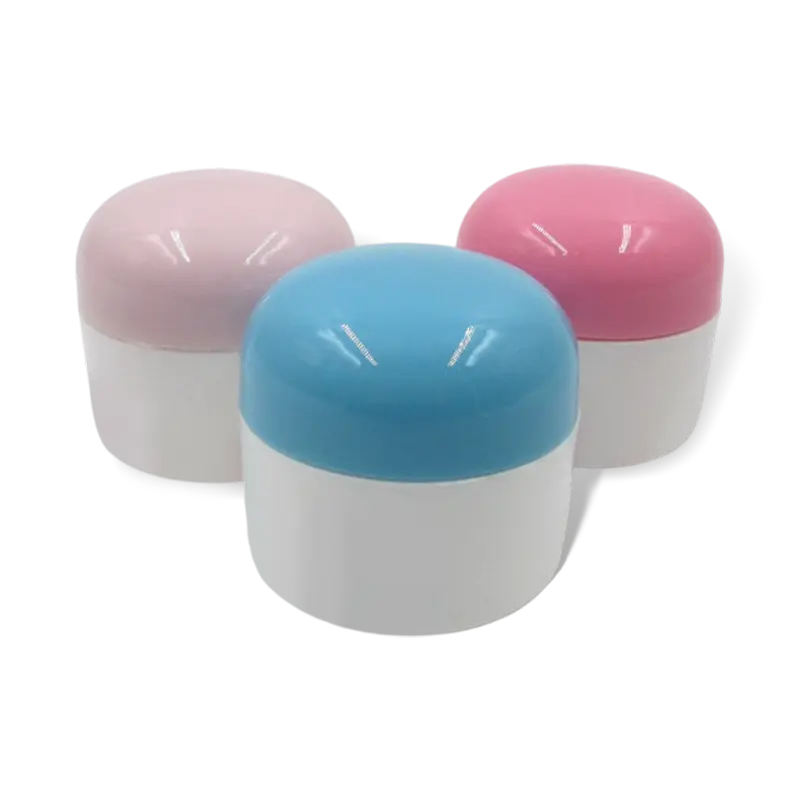
50g baby care round plastic bottle
Matte and Glossy Finishes Create a Premium Contrast
A major visual feature of this packaging series is the contrast between the matte bottle body and the high-gloss polished spherical cap. This contrast introduces a level of refinement that is not always present in children’s packaging. Many baby-care packages focus heavily on bright graphics but pay less attention to surface quality. Here, the surface treatment itself becomes part of the product’s identity.
The matte body produces a soft and understated appearance. It can reduce unwanted visual glare and create a pleasant tactile sensation in the hand. Matte surfaces also complement pastel colors particularly well, making the package appear gentle and modern. For products intended for sensitive skin or daily moisturizing, this calm visual effect can reinforce the product’s positioning.
The glossy cap provides a carefully controlled focal point. Its polished surface reflects light and gives the package a more luxurious presence. When paired with the matte body, it prevents the container from looking flat or ordinary. The combination suggests a “little luxury” approach: the product remains friendly and suitable for children, yet it provides the level of visual detail expected from a premium cosmetic brand.
This finish combination can give smaller brands an important competitive advantage. A formula may be excellent, but consumers often make an initial judgment based on how the package looks and feels. A thoughtful surface treatment can help a new product compete with established brands by presenting an image of quality before the consumer evaluates the ingredient list or product performance.
Visual Quality Without Excessive Complexity
Premium packaging does not always require heavy metallic decoration, complicated shapes, or multiple added components. Excessive decoration can increase cost, complicate recycling considerations, and make a children’s product appear less approachable. The matte-and-gloss combination provides an efficient alternative. It creates contrast through surface engineering rather than through unnecessary structural complexity.
This approach also leaves room for different market positions. A brand can use a simple logo and minimal graphics for a clean clinical look, or add friendly illustrations for a more playful family-oriented identity. The underlying package remains the same, allowing a manufacturer to support different customers and product categories with a flexible platform.
Secure Threaded Closure for Everyday Convenience
Children’s skincare packaging must be easy for adults to use while remaining reliably closed during storage and transportation. The package uses an ergonomically designed threaded cap that supports smooth opening and closing. The threaded structure allows the user to grip, twist, and secure the cap without requiring complicated actions or excessive force.
A properly fitted threaded closure helps isolate the formula from external contaminants. This is important for creams and lotions that may be used repeatedly over many days or weeks. Each time the product is opened, the closure should be easy to operate and then capable of returning to a secure position. A reliable seal also helps protect the freshness and intended condition of the product during normal use.
One-handed handling may be possible depending on the formula, dispensing method, and user technique. Parents often manage several tasks at once, particularly during childcare routines. A package that opens and closes smoothly can make daily application more convenient. The rounded form can also be held securely while the cap is operated, although the final user experience will depend on the product fill level, surface finish, and formula viscosity.
The closure is designed to support the overall quality impression of the package. A loose, rough, or poorly aligned cap can undermine consumer confidence even when the bottle itself looks attractive. Smooth threading and consistent fit communicate manufacturing precision. This is one area in which advanced molding and quality-control procedures have a direct effect on the consumer’s perception of the product.
Protection During Storage and Distribution
Packaging performance must be considered beyond the retail shelf. Products may travel through warehouses, shipping networks, retail distribution centers, and household storage before they are used. A secure cap helps reduce the risk of accidental opening, leakage, or exposure during these stages. The compact form can also support efficient packing when products are arranged in cartons or grouped into coordinated sets.
Before mass production, brands should confirm compatibility between the package, cap, inner product, filling equipment, and distribution conditions. Testing may include closure fit, leakage evaluation, torque requirements, temperature exposure, decoration adhesion, and visual inspection. A responsible packaging manufacturer can support this development process by providing technical communication and production expertise.
Capacity Options for a Complete Product Family
The featured container has a 50g capacity, making it suitable for a primary cream product, a regularly used moisturizer, or a medium-size specialized treatment. The series also includes 20g and 30g options. This capacity matrix allows brands to build a coherent range around one recognizable design language.
A 20g package may be used for trial products, travel packs, sample-sized retail items, concentrated treatments, or products intended for limited-area application. A 30g version can serve as a compact daily cream or a smaller retail format. The 50g size provides additional capacity for families who use a product regularly or for brands that want a more substantial shelf presentation.
Using multiple sizes within one series can simplify brand development. Instead of searching for unrelated containers for every formula, a company can select different capacities while maintaining the same basic silhouette, closure concept, and color system. This consistency can improve recognition across an entire product family.
Capacity variation also supports different sales channels. Smaller sizes may be suitable for travel retailers, promotional kits, online trial bundles, hospital or clinic recommendations, and gift sets. The 50g size may be more appropriate for supermarkets, specialty stores, pharmacies, professional skincare channels, or direct-to-consumer packages. A coordinated series gives the brand greater flexibility as it enters new markets.
| Capacity | Potential Product Use | Suitable Commercial Format |
|---|---|---|
| 20g | Trial cream, travel moisturizer, concentrated treatment, limited-area product | Samples, starter kits, travel sets, promotional bundles |
| 30g | Compact daily face cream or sensitive-skin treatment | Retail entry product, portable skincare, gift sets |
| 50g | Regular-use face cream, body cream, moisturizer, or diaper-care product | Main retail product, family skincare line, professional product range |
Decoration and Brand Customization Options
Packaging is an important communication surface. The 50g round PP container supports UV printing, heat transfer, and screen printing, giving brands several ways to display logos, product names, usage information, illustrations, and decorative details.
UV printing is useful when a brand requires detailed graphics, crisp text, or multiple colors. It can support modern visual identities with fine lines and carefully controlled artwork. The method is suitable for brands that want to display a logo, small illustration, product benefit, or decorative pattern directly on the bottle.
Heat transfer can provide a smooth and attractive decoration effect across selected areas of the package. It may be used for colorful artwork, themed designs, or graphics that need a distinctive finish. For children’s skincare, heat-transfer decoration can support friendly characters, animals, stars, flowers, or other visual elements that create an emotional connection.
Screen printing remains a practical choice for many packaging applications. It can produce clear, durable graphics and is suitable for bold logos, simple text, and strong color blocks. Brands seeking an efficient and visually consistent decoration method may find screen printing appropriate for a broad range of product concepts.
The available printing surface can be used to create a balance between visual appeal and information clarity. A package should not become so heavily decorated that parents cannot quickly identify the product type, capacity, or intended use. Effective artwork should guide the eye, establish the brand, and preserve the clean shape of the container.
Building a Recognizable Children’s Skincare Identity
A memorable children’s skincare identity often depends on consistency. The same logo placement, typography, color family, and illustration style can be applied across the 20g, 30g, and 50g sizes. This helps consumers understand that different products belong to the same brand family even when the formulas vary.
For example, a brand may use sky blue for a refreshing body lotion, delicate pink for a gentle face cream, and a third coordinated shade for diaper-care products. The package shape remains constant, while the color and printed product name communicate the distinction. This system is easier to expand than a collection of unrelated package designs.
Illustrations should be selected with the target audience in mind. Simple, friendly artwork is generally more effective than highly detailed graphics that become difficult to see on a small container. The manufacturer’s printing capabilities can help determine the best line thickness, color coverage, and placement for the chosen decoration method.
Applications Across Baby, Children’s, and Sensitive-Skin Products
The packaging is suitable for a broad group of cream and skincare products. Its primary applications include children’s face creams, moisturizing creams, diaper rash creams, body scrubs, and sensitive-skin products. The same form may also be considered for hand creams, protective balms, travel skincare, or specialized daily-care products, provided that the formula and filling process are compatible with the package.
For children’s face cream, the 50g size offers a practical balance between regular use and portability. The rounded shape reinforces a gentle facial-care image, while the color and decoration can help distinguish moisturizing, nourishing, or protective formulas.
For diaper rash cream, secure closure and contamination protection are especially important. Parents need to open the package frequently and close it reliably after application. A clearly differentiated color and product label can also reduce confusion when several baby-care products are stored together.
For body scrubs or specialty products, the package provides an alternative to ordinary tubes and flat jars. A rounded container can give the product a more distinctive appearance and support a coordinated family with face, body, and targeted-care products.
For sensitive-skin products, the restrained matte surface and soft colors can communicate a calm, careful, and trustworthy positioning. The PP material provides a practical packaging foundation, while the manufacturer can assist with the technical evaluation required for the specific formulation.
Supporting Different Brand Positions
The package can be adapted to several market positions. A value-oriented brand may use a single color, simple screen printing, and efficient standard production. A premium brand may use carefully matched pastel colors, detailed UV printing, and more sophisticated artwork. A clinical or professional brand may choose a restrained palette, minimal graphics, and clear functional labeling.
This versatility is an advantage over highly specialized packaging that can only communicate one type of product. The same basic container can appear playful, premium, clinical, or natural depending on the selected color, decoration, and formula positioning. That flexibility helps manufacturers and brand owners respond to different customer preferences without changing the entire packaging architecture.
Advanced Manufacturing Capabilities
A successful packaging product depends not only on its appearance but also on the manufacturing system behind it. DEPRAG Plastic Products Co., Ltd. provides an integrated production process covering product research and development, design, mold manufacturing, plastic injection molding, blow molding, gilding and printing, UV coating, product testing, and warehousing.
This complete process structure allows the company to manage multiple stages internally and coordinate them more efficiently. Instead of treating design, tooling, molding, decoration, and inspection as isolated activities, an integrated manufacturer can evaluate the relationship between each stage. A change in the cap design may influence the mold, threading, surface finish, and sealing performance. A new decoration concept may require adjustments to the body material, surface treatment, or printing parameters.
Integrated production can also improve communication. When customers request a customized logo, a new color, or a modified mold, technical teams can discuss the effect on manufacturability at an early stage. This helps reduce avoidable design problems and supports a more controlled transition from concept to finished package.
Research and Development
The company’s research and development capability supports the creation of standard packaging products as well as customized solutions. Product development begins with understanding the intended formula, market, capacity, appearance, closure, decoration, and expected user experience. For baby-care packaging, this process also requires attention to rounded geometry, user handling, visual softness, and material suitability.
R&D teams can evaluate how a concept will perform in production rather than considering only its appearance on a screen. Wall structure, draft angles, cap fit, molding behavior, surface finish, and decoration area all influence the final result. Early technical evaluation can improve consistency and reduce the risk of costly revisions after tooling begins.
Mold Manufacturing
Mold manufacturing is a central strength in plastic packaging production. A precise mold helps determine the accuracy of the spherical profile, the consistency of the cap, the quality of the threading, and the uniformity of the surface. Since the package relies heavily on a smooth rounded shape, mold quality is particularly important.
Well-controlled tooling contributes to repeatable dimensions across production batches. It also supports reliable assembly between the bottle and cap. If the parts do not align correctly, the closure may feel rough or fail to seal consistently. By managing mold development as part of the broader production process, the manufacturer can address these relationships more effectively.
Plastic Injection Molding and Blow Molding
Plastic injection molding and blow molding provide the production foundation for a wide selection of plastic packaging components. Injection molding can be used to form precise parts such as caps and rigid components, while blow molding may be applied to suitable bottle structures depending on the selected design and production requirements.
Process control influences the appearance, strength, dimensions, and consistency of each package. Material temperature, injection or blowing parameters, cooling conditions, cycle timing, and mold performance must be controlled to achieve stable output. The manufacturer’s experience with these processes helps support the clean spherical appearance and reliable assembly expected from the product.
For customers ordering customized packaging, production experience is particularly valuable. A design may look attractive but require modification to improve filling, demolding, decoration, or assembly. An experienced plastics manufacturer can recommend practical changes before production begins, preserving the intended appearance while improving manufacturability.
Printing, Gilding, and UV Coating
Decoration is handled through processes that include printing, gilding, and UV coating. These capabilities allow the manufacturer to support different levels of visual complexity, from simple logos to more decorative premium treatments. Although the featured baby-care package is especially suitable for UV printing, heat transfer, and screen printing, broader decoration capabilities provide additional options for customers developing related cosmetic products.
UV coating can contribute to a controlled surface effect and help create contrast between different package components. Printing parameters must be selected according to the PP surface, artwork, ink system, and intended durability. Before mass production, decoration should be evaluated for adhesion, color consistency, registration, and resistance to ordinary handling.
Gilding can be considered for brands that want a more luxurious accent, although children’s products should use metallic details carefully. A restrained metallic logo or small highlight may create an upscale appearance without overwhelming the gentle visual identity of the package.
Product Testing and Warehousing
Product testing is an essential part of reliable packaging production. Inspection may cover dimensions, appearance, color, cap fit, threading, surface quality, decoration, and overall assembly. Depending on the customer’s requirements, functional testing may include sealing evaluation, leakage checks, drop testing, torque testing, and compatibility assessment.
Warehousing is also included in the company’s complete production process. Proper storage helps protect finished packages from dust, deformation, damage, and unnecessary handling before shipment. Organized warehousing supports order management and helps maintain the condition of standard and customized products.
Manufacturing Strengths in a Developed Plastics Region
DEPRAG Plastic Products Co., Ltd. is located in Cixi, China, a developed plastics industry area. The company benefits from access to an established manufacturing environment, technical resources, transportation infrastructure, and a broad supply network. Its location near the Hangzhou Bay Bridge and within convenient driving distance of Ningbo’s Beilun deep-water port and Hangzhou Xiaoshan International Airport supports domestic and international logistics.
Efficient transportation is important for packaging manufacturers because containers are often shipped in large quantities and may need to reach filling facilities, distribution centers, or overseas customers. A favorable location can help improve coordination between production and logistics while providing access to major transportation routes.
The company operates modern standardized factories and uses advanced manufacturing equipment. Combined with an experienced R&D team, these resources support the production of standard packaging designs and customized molds. The company offers thousands of daily chemical packaging designs, giving customers a broad starting point for cosmetic, pharmaceutical, and personal-care projects.
Its experience extends beyond one package category. The company specializes in packaging containers for cosmetics, medicines, and other plastic products, and also provides technical support for customers developing professional daily chemical packaging brands. This broader experience can be useful when a baby-care brand wants to create a complete range that includes creams, lotions, cleansers, sprays, or other related formats.
Advantages Over Generic Competitor Packaging
The 50g round PP package offers several advantages over generic containers commonly used in children’s skincare. First, its rounded shape creates a stronger emotional connection. Standard rectangular bottles and plain jars may be functional, but they often lack the distinctive character required to stand out in a competitive market.
Second, the package combines child-friendly appearance with premium finishing. Many low-cost children’s containers focus on bright colors but use uniform surfaces that can appear basic. The contrast between the matte body and glossy cap provides a more considered appearance without requiring an overly complex structure.
Third, the use of a coordinated 20g, 30g, and 50g series makes it easier to build a complete product family. Brands using unrelated package formats may struggle to create visual consistency across different products. A unified series can improve shelf presentation and help customers understand product relationships.
Fourth, the decoration options provide greater customization potential than an undecorated stock container. UV printing, heat transfer, and screen printing allow brands to express their identity through logos, illustrations, product names, and color systems.
Fifth, the threaded closure supports a more dependable user experience. A visually attractive package can still fail if it is difficult to open, difficult to close, or inconsistent in sealing. Smooth operation and secure closure are practical advantages that influence repeat use and consumer confidence.
Finally, the product is supported by an integrated manufacturer with capabilities covering development, mold making, molding, decoration, testing, and warehousing. This can simplify supplier coordination and give customers access to technical support throughout the project lifecycle.
| Competitive Consideration | Generic Packaging Limitation | Advantage of the Round PP Series |
|---|---|---|
| Shelf appearance | Common shapes may be difficult to distinguish | Spherical form creates a memorable silhouette |
| Emotional communication | Angular or overly plain designs may feel impersonal | Rounded geometry and macaron colors suggest softness and care |
| Surface quality | Uniform finish can look basic | Matte body and glossy cap provide refined contrast |
| Product range development | Different sizes may look unrelated | 20g, 30g, and 50g capacities support a coordinated family |
| Brand customization | Limited decoration options may restrict identity | UV printing, heat transfer, and screen printing support varied artwork |
| Supplier coordination | Separate suppliers may increase communication complexity | Integrated development, tooling, molding, decoration, testing, and warehousing |
From Product Concept to Finished Package
Developing a baby-care package should begin with a clear product brief. The brand should define the formula type, target consumer, capacity, color direction, closure expectations, decoration requirements, and sales channel. A face cream for daily family use may require a different visual and tactile direction from a professional sensitive-skin treatment, even if both use the same basic package.
The next stage is technical confirmation. The manufacturer and customer should review the formula’s compatibility with PP, the planned filling method, the desired fill weight, the closure performance, and the decoration area. The 50g designation should be confirmed according to the density and filling characteristics of the product, since the same nominal package may hold different weights depending on the formulation.
Artwork development follows technical confirmation. Logos, text, illustrations, and color references should be supplied in appropriate formats. The manufacturer can review whether the artwork is suitable for UV printing, heat transfer, or screen printing and may recommend adjustments to improve clarity at the selected size.
Sample production is an important step before mass manufacturing. It allows the customer to evaluate the color, finish, cap operation, printed appearance, and overall shelf impression. Samples can also be filled with the intended formula for preliminary compatibility and usability checks.
Once the design and technical details are approved, mold and production planning can proceed. Production controls should be established for material, color, molding, assembly, decoration, and inspection. Finished packages are then checked before warehousing and shipment.
Customization with Control
Customization provides strong branding benefits, but it should be managed carefully. Changing too many variables at once can make it difficult to identify the cause of a production issue. A controlled project may begin with the standard spherical structure, then customize color and printing before considering a new mold.
For brands requiring unique dimensions or a special cap design, customized tooling may be appropriate. The manufacturer’s mold-development capabilities can support this process. However, a custom mold should be evaluated against expected order volume, target cost, lead time, filling equipment, and future product expansion.
A practical customization strategy is to preserve the recognizable rounded form while adjusting the elements that most directly affect brand identity. These may include cap color, body color, logo placement, illustration style, printing method, and size combination. This approach can deliver a distinctive product while retaining the manufacturing advantages of an established packaging platform.
Sustainability and Responsible Packaging Decisions
PP is a widely used plastic material, and its lightweight nature can reduce the mass associated with transportation compared with heavier packaging alternatives. The package’s durability may also help reduce damage-related waste during handling. These are useful considerations when brands evaluate the overall efficiency of a packaging system.
Responsible packaging decisions should consider the complete product lifecycle, including material selection, manufacturing, decoration, filling, transportation, consumer use, and disposal. The final sustainability profile depends on local recycling systems, package labeling, component design, and customer behavior. Brands should therefore provide accurate disposal guidance appropriate to their target market.
The all-PP approach can support a simpler material communication strategy than packages made from numerous bonded materials. However, the closure, decoration, coatings, and any additional components should be reviewed as part of the complete package. The manufacturer can help customers understand production options, while the brand remains responsible for ensuring that claims about environmental performance are accurate and appropriate.
Why Packaging Quality Builds Parent Trust
Parents often assess children’s products through a combination of visible and tactile signals. A package that appears clean, stable, and thoughtfully designed can help create confidence. The 50g round PP container supports this trust-building process through its material story, rounded form, secure closure, controlled finish, and clear customization potential.
The package does not rely only on decorative appeal. Its value comes from the combination of appearance and function. A friendly color may attract attention, but the closure must work smoothly. A polished cap may look premium, but the body must remain comfortable to hold. A printed illustration may appeal to children, but the product name and usage information must remain legible for adults.
This balance is particularly important in sensitive-skin and baby-care categories. Consumers may be cautious when selecting products for infants and children. Packaging cannot replace product quality or regulatory compliance, but it can help communicate that the brand has considered the needs of its users from the beginning.
Frequently Asked Questions
What type of product is the 50g round PP package designed for?
It is designed for children’s and baby-care skincare products such as face creams, moisturizers, diaper rash creams, body scrubs, and sensitive-skin treatments. The final suitability should be confirmed through formula compatibility and filling evaluation.
Is the package made from PP?
Yes. The packaging series is made from polypropylene, a lightweight and chemically stable plastic material commonly used for cosmetic and daily-care packaging. Brands should still conduct appropriate compatibility and compliance evaluations for their specific formula and market.
What other sizes are available?
The product series includes 20g, 30g, and 50g options. These sizes can support trial products, travel packs, daily creams, specialized treatments, and full-size retail products.
Can the package be customized with a brand logo?
Yes. The package supports UV printing, heat transfer, and screen printing. These methods can be used for logos, product names, illustrations, decorative patterns, and other brand elements.
What colors can be used for the package?
The series highlights sky blue, cherry blossom pink, and delicate pink, while custom color development may be discussed according to the project requirements. Color can be used to distinguish formulas, product lines, target users, or different skincare benefits.
Does the package have a secure closure?
The cap uses a threaded structure designed for smooth opening and closing and dependable sealing. Closure performance should be confirmed with the intended formula, filling process, and distribution conditions.
What makes the package different from an ordinary cream jar?
Its spherical, child-friendly form, macaron color direction, matte-and-glossy surface contrast, coordinated capacity options, and multiple decoration methods provide a more distinctive and customizable solution than a plain standard jar.
Can the package be used for premium products?
Yes. The polished cap and matte body create a refined “little luxury” appearance that can support premium children’s skincare, boutique brands, and sensitive-skin products with elevated positioning.
What manufacturing services are available?
The manufacturer provides product research and development, design, mold manufacturing, injection molding, blow molding, printing, gilding, UV coating, product testing, and warehousing. This integrated process supports both standard products and customized packaging projects.
Where is the manufacturer located?
DEPRAG Plastic Products Co., Ltd. is located in Cixi, China, a developed plastic manufacturing area near major transportation routes, Ningbo’s Beilun deep-water port, and Hangzhou Xiaoshan International Airport.
How should a brand begin a customization project?
A brand should prepare information about the formula, target capacity, intended market, preferred colors, artwork, closure expectations, order quantity, filling method, and delivery requirements. The manufacturer can then help evaluate the package and recommend suitable production and decoration options.
Conclusion
The 50g baby care round plastic bottle provides a strong combination of safety-oriented material selection, friendly design, practical usability, and premium visual appeal. Its PP construction offers a lightweight and stable foundation for children’s skincare packaging. Its spherical silhouette communicates softness and care, while the macaron color system makes product differentiation simple and attractive.
The matte bottle body and polished spherical cap give the package a refined appearance that can help brands stand apart from ordinary children’s containers. A threaded closure supports convenient daily use and reliable sealing, while 20g, 30g, and 50g capacity options enable the creation of a complete product family.
Customization is supported through UV printing, heat transfer, and screen printing, allowing brands to display logos, illustrations, product information, and distinctive visual identities. The package can serve products ranging from baby face cream and diaper-care treatments to body scrubs and professional sensitive-skin formulas.
Behind the product is an integrated manufacturing system covering research and development, design, mold manufacturing, plastic molding, decoration, testing, and warehousing. This combination of design flexibility and production capability gives customers a practical alternative to generic packaging and supports the development of recognizable, trustworthy, and commercially competitive skincare brands.
For companies seeking luxury cosmetic packaging with a softer and more approachable character, this round PP series offers a compelling solution. It brings together child-centered aesthetics, functional performance, flexible customization, and the manufacturing experience required to move a packaging concept from initial idea to finished product.
References
Polypropylene Packaging Materials: General Properties, Applications, and Processing Considerations.
Cosmetic Packaging Development: Material Compatibility, Closure Performance, Decoration, and Quality Control.
Plastic Injection Molding and Blow Molding: Principles of Container Design and Production Consistency.
Children’s Skincare Packaging: User-Centered Design, Visual Communication, and Product Differentiation.
Packaging Quality Management: Inspection Methods for Dimensions, Appearance, Sealing, Decoration, and Assembly.
Daily Chemical Packaging Development: From Product Research and Mold Manufacturing to Testing and Warehousing.
Product: 50g baby care round plastic bottle

-
 50g deluxe cosmetic skincare packaging bottle
-
50g baby care round plastic bottle
-
 30ml/50ml/120ml Round luxury skincare cream jar plastic moisturizing cream packaging bottle
-
 DP-A-020 120ml Green Acrylic Cream Bottle 50g Blue Acrylic Cosmetic Container 50ml Acrylic Jar and Bottles
-
 30ml/50ml/100ml high-end glass cosmetic and perfume bottles
-
 DP-A-021 50g/30g/20g Skin Whitening Cream Packaging Cosmetic Jars
- +86 13968274500
- +86 13764345885
- ysgl@vip.163.com
- No. 10-18, Gaoxiakeng, Dongputou Village, Zhangqi Town