English
 中文简体
 Français
 Español
 عربى



100ml Custom Logo Glass Perfume Bottle: A Distinctive Packaging Solution for Luxury Fragrance Brands
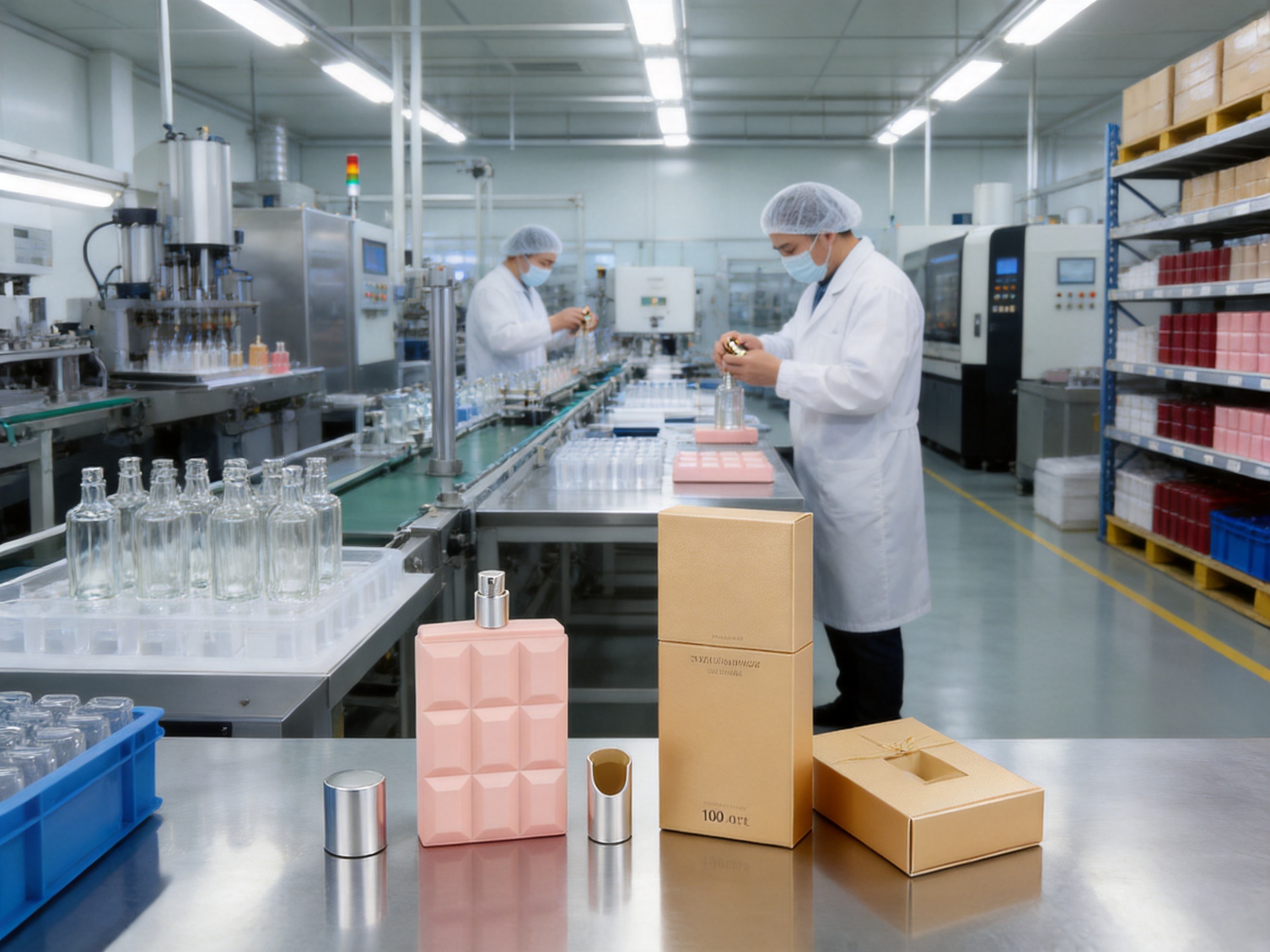
In the competitive fragrance market, packaging is far more than a protective container. It is the first physical expression of a perfume’s identity, the object a customer sees before experiencing the fragrance, and an important part of the product’s perceived value. A well-designed bottle can communicate sophistication, creativity, quality, and exclusivity before a single spray is released. The 100ml Custom Logo Glass Perfume Bottle is developed for brands that want to combine artistic design with dependable functionality and flexible customization.
Inspired by the appearance of a premium chocolate bar, this perfume bottle introduces a playful yet luxurious visual language. Its geometric composition of rectangular and square sections gives the bottle a memorable silhouette, while its smooth glass surface preserves the refinement expected from high-end fragrance packaging. The result is a distinctive container suitable for designer perfumes, fragrance oils, oud oils, attar perfumes, essential oils, gift sets, and private-label fragrance collections.
With a standard capacity of 100ml, the bottle is well suited to full-size retail perfumes. It provides enough volume for daily use while remaining compact enough for display, gifting, and collection building. Its broad design surface also creates opportunities for screen printing, hot stamping, UV coating, electroplating, labeling, and other decorative treatments. These features allow brands to develop packaging that is not only attractive but also closely aligned with their visual identity.
The Role of Premium Packaging in the Fragrance Industry
Fragrance is an emotional and sensory product. Customers cannot fully judge a perfume by appearance alone, but the visual presentation strongly influences expectations. A heavy, well-finished bottle can suggest richness and permanence. A clean and modern bottle can communicate freshness and contemporary style. A highly decorative bottle can support a luxury, artistic, or limited-edition positioning.
Because the fragrance category includes products with similar functional purposes, packaging often becomes one of the most important ways for a brand to differentiate itself. Retail shelves, online product photography, boutique counters, and social media displays all depend on visual impact. A bottle with an unusual shape can attract attention more effectively than a standard cylindrical container, particularly when it offers a recognizable profile that consumers can remember.
The chocolate-inspired form of this 100ml glass perfume bottle responds directly to that market need. Its block-like geometry creates immediate visual interest without relying on excessive ornamentation. The bottle looks creative, but the polished glass and structured proportions keep it suitable for sophisticated fragrance collections. This balance between novelty and elegance is particularly valuable for brands seeking an unconventional package that still feels premium.
Packaging also influences the unboxing experience. A customer may hold the bottle, turn it in the hand, examine the surface, and place it on a dressing table or display shelf. The tactile impression of the glass, the clarity of the material, the finish of the decoration, and the precision of the closure all contribute to the perceived quality of the product. A thoughtfully engineered bottle therefore supports both the commercial presentation and the everyday use of the fragrance.
Product Overview
| Item | Specification |
|---|---|
| Product type | Glass perfume bottle |
| Capacity | 100ml |
| Design inspiration | Geometric chocolate bar or chocolate block |
| Primary application | Perfume, fragrance oil, oud oil, attar, essential oil, and gift-set packaging |
| Material | High-grade glass |
| Surface character | Crystal-clear appearance with a smooth, polished finish |
| Closure compatibility | Spray pumps, screw caps, and snap caps |
| Decoration options | Screen printing, hot stamping, UV coating, electroplating, labeling, and customized color treatments |
| Customization | Custom logo, color, decorative finish, and packaging presentation |
| Suitable customers | Perfume brands, private-label manufacturers, boutique retailers, fragrance distributors, and gift-set developers |
The 100ml format offers a practical balance between product capacity and visual presence. It is large enough to represent a principal fragrance size, yet its proportions can be adapted to different retail presentations and secondary packaging concepts. The bottle can be paired with cartons, rigid gift boxes, sleeves, inserts, and other protective packaging according to the brand’s distribution and merchandising requirements.
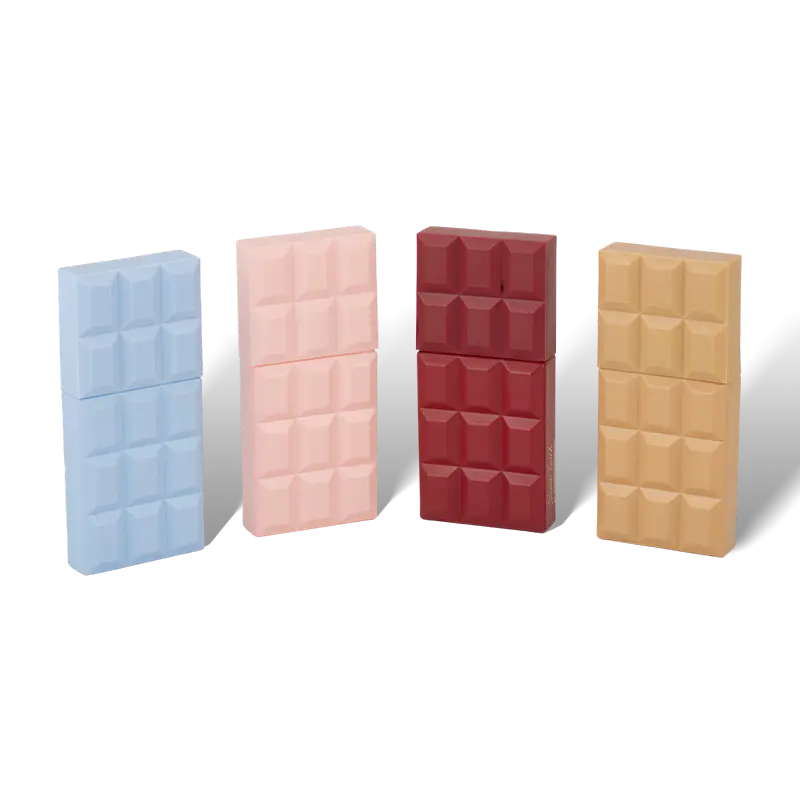
100ml Custom Logo Glass Perfume Bottle
A Creative Chocolate-Inspired Geometric Design
The defining characteristic of this bottle is its chocolate-inspired appearance. Instead of using a conventional round, oval, or simple rectangular profile, the design uses a structured arrangement of geometric blocks. The pattern recalls a carefully segmented chocolate bar, creating a visual association with indulgence, richness, and tactile pleasure. This gives fragrance brands an opportunity to communicate luxury in a fresh and unexpected way.
The design is not limited to novelty. Geometric forms can also support a clean and contemporary brand image. Straight lines, defined corners, and repeated blocks create a sense of order and precision. Depending on the selected color, cap, logo treatment, and secondary packaging, the same bottle may be presented as modern, artistic, elegant, playful, or exclusive.
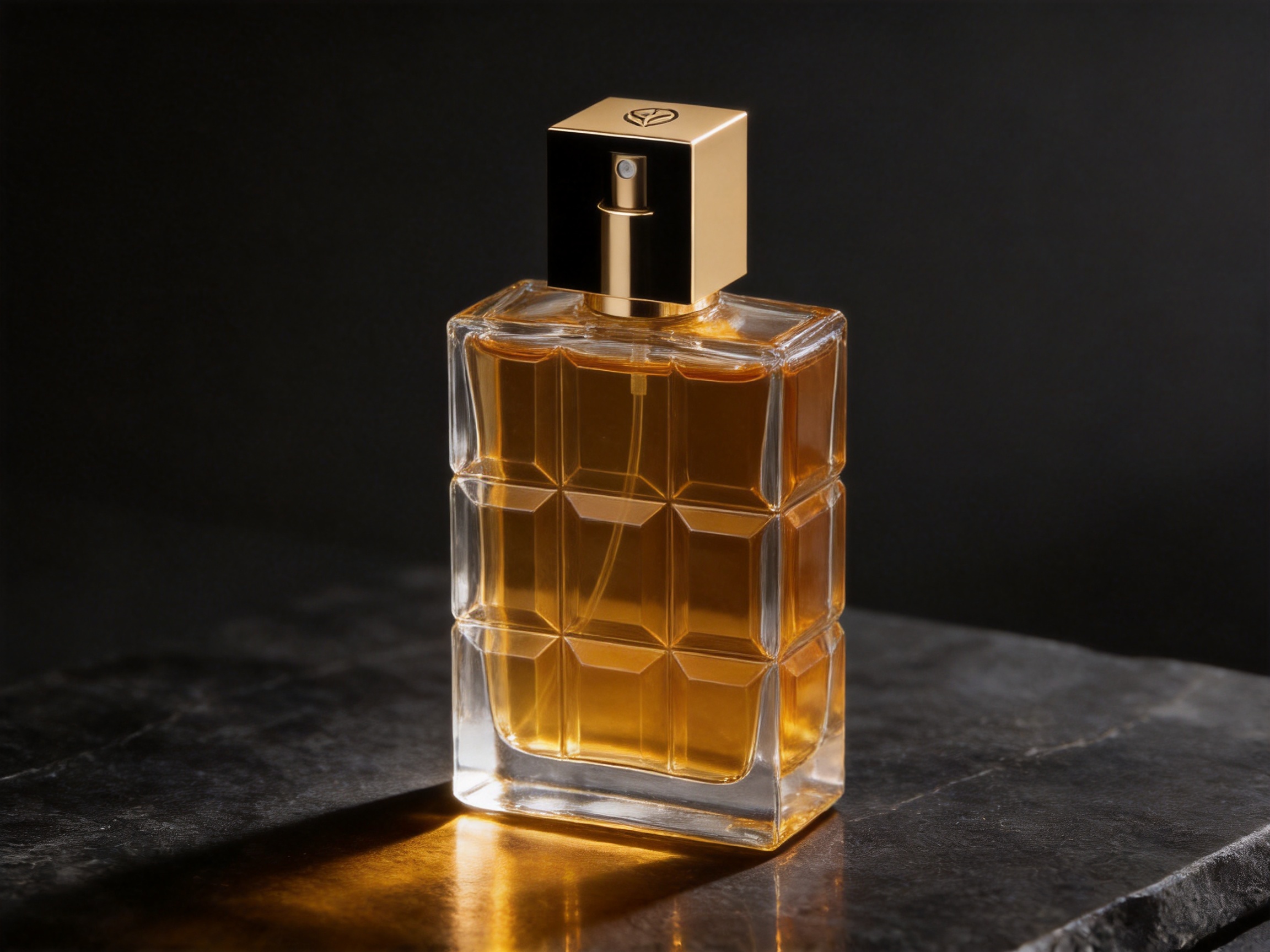
For a dark amber fragrance, the bottle can support a rich and mysterious visual direction. For a floral or fruity fragrance, a transparent, pastel, or custom-tinted treatment may create a lighter and more expressive impression. Metallic decoration can reinforce a premium positioning, while minimal black or white printing can appeal to modern niche-perfume brands. The shape therefore provides a flexible foundation for multiple fragrance concepts.
The broad geometric surfaces can also improve the visibility of the bottle in product photography. Flat or gently structured faces offer useful areas for logo placement and front-facing visual communication. This is particularly helpful for online stores, where a clear silhouette and recognizable design can improve product recall. The bottle’s distinctive outline may remain identifiable even when viewed in a small thumbnail or a crowded product display.
Visual Differentiation from Standard Bottles
Many perfume bottles use familiar shapes that are attractive but difficult to distinguish from competing products. Cylindrical bottles, simple rectangular bottles, and smooth oval bottles can provide reliable functionality, but they may not create a strong visual signature. The chocolate-inspired bottle offers a more memorable alternative.
Its segmented form provides several possible focal points for decorative design. A logo may be positioned on the central face, while metallic details can be applied to selected edges or blocks. The bottle can also be combined with a contrasting cap to establish a two-tone appearance. These options enable a brand to build a coordinated visual system rather than simply applying a label to a generic container.
Compared with highly complicated sculptural bottles, the geometric structure is also easier to interpret and more adaptable to different brand styles. It has enough character to attract attention without making the fragrance difficult to position. This balance gives the bottle an advantage for brands that need a recognizable design with broad commercial usability.
Material Quality and Glass Performance
The bottle is made from thick, high-grade glass selected for its clarity, weight, and suitability for fragrance packaging. Glass is widely valued in the perfume industry because it offers strong chemical stability and helps preserve the integrity of many fragrance formulations. Unlike materials that may be more vulnerable to interaction with alcohol-based or oil-based liquids, properly manufactured glass provides a reliable barrier for a wide range of fragrance applications.
Crystal clarity is another important advantage. Transparent glass allows customers to see the liquid level and appreciate the color of the fragrance. This is especially valuable when the perfume has a distinctive natural, amber, rose, blue, green, or other decorative tone. Clear glass can also support a clean and premium image, particularly when combined with a minimalist logo and a carefully selected cap.
The thickness of the glass contributes to a substantial hand feel. Weight is often associated with quality in the luxury fragrance sector, although actual performance also depends on correct design, production control, handling, and transport protection. A well-finished glass bottle feels stable in the hand and sits confidently on a retail counter or dressing table.
The smooth polished surface enhances both appearance and usability. A refined surface makes the bottle comfortable to hold and easier to clean during production, filling, inspection, and retail preparation. It also supports the application of decorative treatments, provided that the selected process is matched to the surface area, ink, coating, foil, or plating system.
Compatibility with Fragrance Applications
The bottle is suitable for a variety of fragrance products, including designer perfumes, fragrance oils, oud oils, attar perfumes, and essential oils. Different formulas may require different dispensing systems, so compatibility between the bottle neck, pump, cap, gasket, and liquid formula should be confirmed during product development.
Perfume sprays generally require a pump and dip tube system that delivers a fine and consistent mist. Oil-based products may use a screw closure, roll-on component, dropper-style system, or another suitable dispenser, depending on the formulation and user experience required. The bottle’s compatibility with spray pumps, screw caps, and snap caps gives brands room to select a closure that matches the product’s purpose.
Before commercial production, brands should conduct filling, sealing, leakage, compatibility, aging, and transport tests using the actual fragrance formula. These tests help confirm that the complete package performs correctly under expected conditions. The bottle provides a strong foundation, while the final package performance depends on the interaction of all components.
Customization for Brand Identity
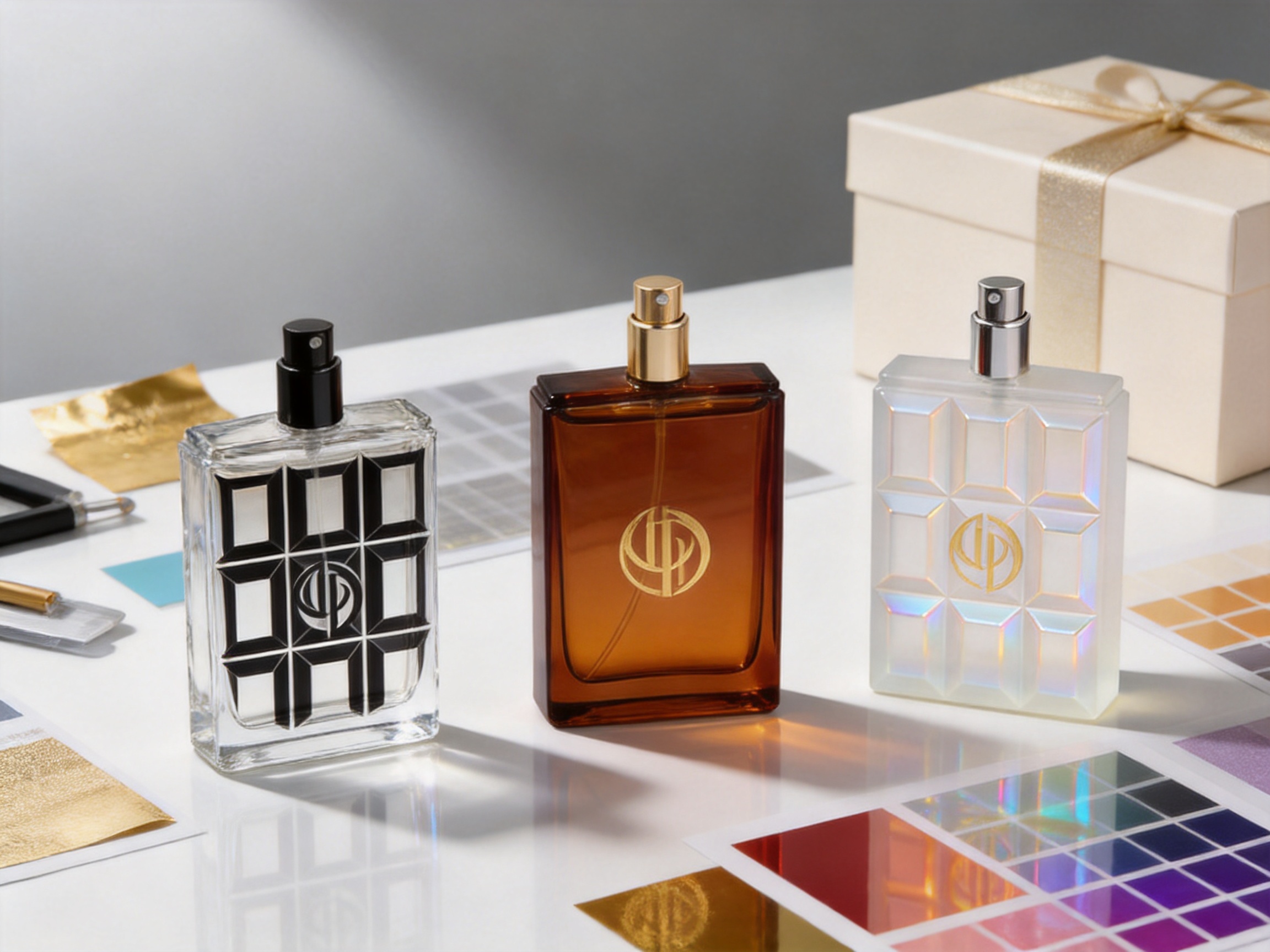
A custom logo is one of the most direct ways to transform a standard bottle format into brand-owned packaging. The logo can be applied through screen printing, hot stamping, UV coating, electroplating, labeling, or a combination of techniques. The appropriate method depends on the design, color requirements, production volume, surface geometry, durability expectations, and desired visual effect.
Screen Printing
Screen printing is widely used for applying text, symbols, logos, and decorative patterns to glass packaging. It can provide strong visual contrast and is suitable for both simple and moderately detailed artwork. White, black, metallic-effect, and custom-color inks can be selected to complement the glass and fragrance liquid.
Screen printing is particularly useful when the brand wants the logo to appear directly on the bottle rather than on a separate label. This can produce a clean and integrated result. It may also be used for volume information, fragrance names, ingredient-related communication, or decorative line work, subject to applicable regulatory requirements.
Hot Stamping
Hot stamping can add a metallic appearance that supports luxury positioning. Gold, silver, rose gold, and other foil effects may be considered depending on the brand’s visual direction. Metallic details can be used sparingly for an elegant result or more prominently for a statement design.
On the geometric chocolate-inspired bottle, hot stamping can emphasize selected blocks, edges, borders, or logo elements. The contrast between transparent or colored glass and metallic decoration can make the bottle more visible in retail environments. Artwork and testing are important because the surface geometry must be evaluated to ensure clean application.
UV Coating
UV coating can provide gloss, contrast, and additional visual depth. It may be used on selected areas to create a difference between matte and glossy surfaces. This type of contrast can make the geometric pattern more pronounced and create a sophisticated tactile effect.
A brand may choose a glossy logo on a matte background, a matte pattern on a clear glossy bottle, or a localized coating that highlights specific geometric sections. Such treatments can help create a premium appearance without adding excessive color or visual complexity.
Electroplating and Decorative Finishes
Electroplating can support a metallic or reflective appearance on compatible components or selected decorative areas. It is often considered for caps, collars, trims, or coordinated accessories. When used with the bottle’s geometric form, metallic components can create a strong visual contrast and reinforce the feeling of a luxury fragrance product.
Color customization is also available for product lines and seasonal collections. A fragrance house may use one color for a core collection and different colors for limited editions, regional launches, holiday releases, or special gift sets. This allows a consistent bottle architecture to support multiple products while preserving differentiation across the range.
Advantages over Conventional Competitor Packaging
The product’s principal advantage over many conventional competitor bottles is its combination of distinctive design and commercial versatility. A bottle can be unusual without being impractical, and this design is intended to achieve that balance.
1. Strong Shelf Recognition
The chocolate-inspired structure creates a recognizable profile. In a crowded retail environment, a memorable silhouette can help a product attract attention more quickly than a generic container. The repeated geometric sections provide a visual signature that can be used in advertising, product photography, gift presentation, and point-of-sale displays.
2. Luxury Appearance with Playful Character
Some novelty packaging can appear inexpensive or overly casual, while some luxury packaging can feel predictable. This bottle combines a playful inspiration with polished glass and refined geometry. It can therefore support brands that want to appear creative while maintaining a premium image.
3. Broad Application Range
The bottle is not restricted to one narrow fragrance style. It can be used for masculine, feminine, unisex, niche, oriental, floral, woody, gourmand, or artisanal fragrance concepts. The final positioning can be changed through color, closure, decoration, label design, and secondary packaging.
4. Multiple Closure Options
Compatibility with spray pumps, screw caps, and snap caps allows the brand to select a dispensing system based on product format and customer experience. This offers more flexibility than a package designed around only one closure style.
5. Large Decorative Potential
The geometric structure provides several surfaces for branding. Screen printing, hot stamping, UV coating, electroplating, and other treatments can be combined to create a package that looks more customized than a standard stock bottle with a basic adhesive label.
6. Strong Tactile Experience
Thick glass and a polished surface give the bottle a substantial feel. Tactile quality is important in luxury packaging because customers often associate a confident, stable hand feel with careful product development and higher value.
7. Suitable for Private Label and Limited Editions
Private-label fragrance companies and boutique brands need packaging that helps them establish a unique identity without developing an entirely complex bottle structure from the beginning. The custom logo and decoration options make this bottle suitable for smaller brand concepts, special launches, and limited-edition projects.
8. Flexible Collection Building
A single bottle architecture can support a family of fragrances. Different liquids, colors, caps, logos, and decorative finishes can create a collection while preserving a common visual relationship. This is useful for brands planning multiple scents or seasonal product lines.
Manufacturing Strengths and Technical Capabilities
DEPRAG Plastic Products Co., Ltd. specializes in the design and manufacture of packaging containers for cosmetics, medicines, and other plastic products. Although this product is a glass perfume bottle, the company’s broader packaging experience is relevant to the development of complete fragrance packaging programs, including closures, accessories, decoration, secondary components, and customized daily chemical packaging solutions.
The company operates in Cixi, China, an area recognized for its developed plastics industry and manufacturing infrastructure. Its location provides convenient access to transportation networks, including proximity to the Hangzhou Bay Bridge, Ningbo’s Beilun deep-water port, and Hangzhou Xiaoshan International Airport. These connections can support the movement of materials, samples, finished products, and export orders.
Research and Development
An experienced research and development team can assist customers in turning a packaging concept into a production-ready solution. Product development may involve reviewing the bottle shape, closure interface, decoration requirements, filling process, secondary packaging, and intended market positioning.
Early technical evaluation is important for a geometric bottle because the design must be considered from multiple perspectives. The product should look attractive from the front, side, and rear; provide suitable surfaces for branding; remain compatible with the intended cap or pump; and be practical for filling, inspection, packing, and shipping. Development expertise helps identify these requirements before mass production.
Mold Manufacturing and Product Development
The company provides mold manufacturing as part of its production capabilities. In packaging development, mold quality affects dimensional consistency, surface appearance, assembly fit, and the repeatability of the final product. A well-controlled mold supports stable production and reduces variation between batches.
For customized components, the mold process may include design review, prototype evaluation, modification, trial production, and final approval. This structured approach is valuable for brands that need a specific closure, cap, accessory, or plastic component to match the 100ml perfume bottle.
Plastic Injection Molding and Blow Molding
DEPRAG’s manufacturing capabilities include plastic injection molding and blow molding. These processes are relevant to perfume packaging systems because many closures, caps, collars, covers, inserts, and complementary containers are manufactured from plastic. The availability of these processes supports coordinated development of a complete package rather than relying on unrelated suppliers for every component.
Injection molding is suitable for producing precise plastic parts with defined dimensions and decorative details. Blow molding is commonly used for hollow plastic containers and related packaging formats. Each process requires appropriate material selection, mold design, machine settings, quality control, and post-production inspection.
Printing, Gilding, and UV Coating
The company also provides gilding and printing services, as well as UV coating. These capabilities are important for the visual customization of fragrance packaging. By combining packaging production with decoration, the development process can be more coordinated and efficient.
Integrated decoration support may help reduce communication gaps between bottle production, artwork preparation, surface treatment, and final inspection. It also allows customers to discuss the appearance of the complete package with a supplier familiar with the relevant manufacturing requirements.
Testing and Warehousing
Product testing and warehousing are included in the company’s stated production process. Testing helps verify whether the packaging meets defined requirements for appearance, dimensions, function, and handling. Warehousing supports the organized storage and dispatch of finished products and components.
For fragrance packaging, quality management should cover the bottle, closure, decorative treatments, packaging inserts, and shipping cartons. It should also consider potential issues such as scratches, color variation, print adhesion, leakage, closure fit, and transport damage. A systematic approach helps brands maintain a consistent customer experience.
Modern Standardized Factory Environment
Modern standardized factories and advanced manufacturing equipment contribute to production organization and repeatability. Consistent operating procedures are especially important when a product includes multiple stages, such as molding, glass inspection, component assembly, printing, hot stamping, coating, packing, and warehousing.
DEPRAG offers thousands of daily chemical packaging designs, including standard products and customized molds. This range gives customers the opportunity to select an established packaging solution or begin a more tailored development process. The company’s technical support is intended to help customers build professional packaging brands and develop long-term business relationships.
Designing a Complete Fragrance Package
The bottle is one element of the total packaging system. To maximize its commercial impact, brands should consider how it works with the cap, pump, collar, label, carton, insert, and shipping package.
Cap and Pump Selection
The closure should match the fragrance format and desired user experience. A fine-mist pump is generally appropriate for spray perfumes and should be selected according to the bottle neck, dip tube length, crimping or assembly method, and formula characteristics. A screw cap may be suitable for fragrance oils or products that require repeated opening and closing. A snap cap can provide a convenient closure option for compatible designs.
The color and finish of the cap can dramatically change the visual impression of the bottle. A black cap can make the design appear bold and contemporary. A metallic cap can emphasize luxury. A transparent or color-matched cap can create a unified appearance. The choice should be evaluated together with the liquid color and decoration.
Secondary Packaging
A carton or rigid gift box protects the bottle during distribution and creates an additional branding surface. The geometric bottle can be presented in a box with internal supports that follow its shape and prevent movement. A windowed carton may showcase the bottle, while a fully enclosed box can create a more dramatic unboxing experience.
Gift sets may include a full-size 100ml bottle alongside smaller samples, fragrance oils, body products, or accessories. The bottle’s distinctive form can become the central visual element of a collection. Packaging designers should consider the dimensions and weight of the bottle when developing inserts and shipping cartons.
Label and Information Architecture
Brands should plan the placement of essential product information at an early stage. Depending on the target market, the package may need to display the fragrance name, brand name, volume, responsible party information, batch details, ingredients, warnings, and other regulatory information. Screen printing and labeling offer different solutions for this communication.
A clean front-facing logo area can preserve the premium appearance of the bottle, while required information may be placed on the rear label, bottom label, carton, or another suitable surface. The precise requirements vary by country and product category, so brands should consult applicable regulations before finalizing the artwork.
Applications Across Different Fragrance Segments
Designer Perfumes
Designer perfume brands can use the bottle to create a strong visual identity for a new fragrance launch. The geometric form provides a recognizable package that can support advertising, retail display, and social media campaigns. With a customized logo and selected finish, the bottle can communicate a high-value brand position.
Luxury Fragrance Oils
Fragrance oils and oud oils often benefit from packaging that feels substantial and collectible. The glass material provides a premium presentation, while the available closure options allow the package to be adapted to the product’s dispensing needs. Dark colors, metallic details, and rich secondary packaging may be used to reinforce an oriental or luxurious positioning.
Attar Perfumes
Attar products require packaging that conveys concentration, tradition, and quality. The chocolate-inspired bottle offers a contemporary alternative to conventional attar containers. It can help a brand present a traditional fragrance category in a modern format, particularly when paired with refined calligraphy, metallic decoration, or a carefully designed carton.
Essential Oils
For essential oil collections, the transparent glass can showcase the natural color of the liquid and create a clean, premium appearance. Brands should confirm formula compatibility, dispensing requirements, light-protection needs, and applicable labeling requirements. Different color treatments or caps can be used to organize a collection by scent family.
Private-Label Fragrance Products
Private-label businesses often need packaging that looks differentiated without requiring a completely new bottle concept for every product. The customizable surface and adaptable design make this format appropriate for independent fragrance houses, boutique retailers, hotel amenities, corporate gifts, and emerging beauty brands.
Limited Editions and Gift Collections
The bottle can be adapted for holiday collections, anniversary releases, special collaborations, event gifts, and limited-edition fragrances. Custom color, hot stamping, special labels, and gift boxes can create a sense of rarity. Because the underlying bottle shape remains consistent, a brand can develop a limited collection while maintaining a relationship with its core packaging identity.
Quality Considerations for Buyers
Buyers evaluating a perfume bottle should assess more than its appearance. A successful package must perform reliably throughout filling, decoration, transport, retail handling, and consumer use.
Glass clarity should be reviewed for bubbles, inclusions, scratches, uneven areas, and other visual defects. The geometric pattern should be consistent from piece to piece. The bottle should stand securely and maintain the intended dimensions. The neck finish should match the selected pump, screw cap, or snap cap, and the completed closure should be checked for fit and sealing performance.
Decorative treatments should be evaluated for color accuracy, registration, adhesion, abrasion resistance, and consistency. If the bottle will be handled frequently, the brand may need to conduct rub tests or simulated-use tests to determine how the decoration performs over time.
Packaging tests should also include filling trials, leakage checks, drop or impact evaluations where appropriate, carton tests, and transport simulations. The actual fragrance formula should be used whenever possible because a package that performs well with water or a test liquid may behave differently with alcohol, oil, fragrance compounds, or other ingredients.
Purchasing and Customization Process
Step One: Define the Product Concept
The first stage is to determine the fragrance category, formula type, target customer, sales channel, capacity, and desired brand image. Buyers should identify whether the bottle will be used for a spray perfume, fragrance oil, attar, essential oil, or gift set.
Step Two: Select the Bottle and Closure
The 100ml bottle can then be reviewed together with suitable pumps, caps, collars, and accessories. The closure should be selected based on functional requirements as well as appearance. Brands should request samples to evaluate hand feel, visual proportion, and assembly compatibility.
Step Three: Prepare Artwork
Logo files, fragrance names, decorative patterns, colors, and regulatory information should be prepared in production-ready formats. The artwork should account for the bottle’s geometric surfaces and any areas that are curved, recessed, raised, or divided into blocks.
Step Four: Confirm Decoration and Color
Screen printing, hot stamping, UV coating, electroplating, and color treatments should be selected according to the intended design. Sample approval is recommended because colors and finishes may appear different on clear glass, colored glass, metallic components, and printed surfaces.
Step Five: Conduct Functional Testing
Filling and sealing trials help confirm the compatibility of the bottle, closure, and fragrance formula. Brands should examine spray quality, leakage, evaporation, cap fit, and the condition of the decoration after handling.
Step Six: Approve Samples and Begin Production
Once the samples meet the agreed requirements, production specifications can be finalized. These may include dimensions, tolerances, materials, decoration standards, packing details, inspection procedures, and shipping arrangements.
Step Seven: Inspect and Ship
Finished products should be inspected before packing. Appropriate protective materials and carton configurations are important because glass requires careful handling during domestic and international transport. Warehousing and logistics planning should be coordinated with the production schedule and launch date.
Sustainability and Responsible Packaging Decisions
Glass is a durable packaging material with a long history in fragrance and cosmetics. Its chemical stability and premium appearance make it suitable for products that are intended to be stored and used over time. The long service life of a well-designed bottle can also support reuse as a decorative object after the fragrance has been consumed.
Responsible packaging development should consider the entire system, including the amount of glass, the closure materials, decorative treatments, secondary packaging, and shipping protection. A bottle that is visually attractive should also be designed with practical packing and transportation requirements in mind.
Brands may also evaluate whether cartons use appropriate paper materials, whether inserts minimize unnecessary volume, and whether the package can be separated into components at the end of its useful life. Sustainability claims should be based on accurate, verifiable information and should reflect the complete package rather than one material alone.
Why This Bottle Is a Strong Choice for Premium Brands
The 100ml Custom Logo Glass Perfume Bottle provides a combination of visual originality, material quality, customization flexibility, and manufacturing support. Its chocolate-inspired geometry gives it a strong identity, while the glass construction preserves the refined image expected from premium fragrance packaging.
For brands competing against generic stock bottles, the design can create better shelf recognition and a more memorable customer experience. For private-label developers, it offers an attractive platform for custom logos, colors, and decorative finishes. For established fragrance houses, it can serve as a distinctive option for a new line, limited edition, or special collection.
The bottle is also supported by a broad manufacturing system that includes product development, mold manufacturing, plastic injection molding, blow molding, printing, gilding, UV coating, testing, and warehousing. This range of capabilities is valuable because modern packaging programs often require coordinated work across multiple materials and production stages.
DEPRAG Plastic Products Co., Ltd. combines packaging experience, technical support, manufacturing equipment, and logistics advantages to serve customers developing professional daily chemical packaging brands. Its stated philosophy is that customer success is the company’s success, which reflects the importance of long-term cooperation in packaging development.
Q&A
Q1: What is the capacity of the perfume bottle?
The bottle has a capacity of 100ml, making it suitable as a full-size retail package for perfumes, fragrance oils, attar products, oud oils, essential oils, and related fragrance collections.
Q2: What makes the bottle different from a standard perfume bottle?
Its design is inspired by a chocolate bar and uses a geometric combination of rectangular and square sections. This creates a distinctive silhouette and a tactile visual character that can help a brand stand out from conventional cylindrical, oval, or plain rectangular bottles.
Q3: Can the bottle carry a custom logo?
Yes. Custom logos can be applied through methods such as screen printing, hot stamping, UV coating, electroplating, or labeling. The most suitable method depends on the logo artwork, surface requirements, color scheme, order quantity, and desired finish.
Q4: Which closure types are compatible with the bottle?
The bottle can be used with different closure formats, including spray pumps, screw caps, and snap caps. The final selection should be confirmed according to the fragrance formula, dispensing method, neck finish, and desired user experience.
Q5: Is the bottle suitable for oil-based fragrances?
It can be suitable for fragrance oils, oud oils, and attar perfumes, provided that the complete package is tested with the actual formula. Compatibility testing should include the glass, closure, gasket, dip tube, decoration, and sealing performance.
Q6: Can the bottle color be customized?
Color customization can be considered for product lines, seasonal collections, limited editions, and special launches. The selected color should be reviewed with the fragrance liquid, logo, cap, and secondary packaging to ensure a coordinated result.
Q7: What decorative options are available?
Available options include screen printing, hot stamping, UV coating, electroplating, labeling, and other customized surface treatments. Multiple methods may be combined to create contrast, metallic effects, or a more elaborate luxury appearance.
Q8: Is the bottle appropriate for luxury perfume brands?
Yes. The thick high-grade glass, polished surface, geometric design, and customization potential make it suitable for luxury perfumes, boutique fragrance houses, private-label products, gift sets, and limited-edition collections.
Q9: What should be tested before mass production?
Brands should test bottle dimensions, closure fit, liquid compatibility, leakage resistance, spray performance where applicable, decoration adhesion, color consistency, filling efficiency, packaging protection, and transport durability.
Q10: What manufacturing capabilities does the supplier provide?
The supplier provides product research and development, design, mold manufacturing, plastic injection molding, blow molding, printing, gilding, UV coating, product testing, and warehousing. These capabilities can support both individual packaging components and broader daily chemical packaging projects.
Q11: Can the bottle be used in a gift set?
Yes. Its unusual appearance makes it suitable for gift sets, boutique launches, holiday collections, corporate gifts, and special fragrance presentations. A custom carton or rigid box can be designed to protect and showcase the bottle.
Q12: How can a brand begin a customization project?
A brand can begin by defining the fragrance format, capacity, target market, closure type, logo, color, decoration, and expected order requirements. Sample evaluation and functional testing should be completed before final production specifications are approved.
Conclusion
The 100ml Custom Logo Glass Perfume Bottle is designed for brands that want packaging with a strong visual identity and a premium tactile experience. Its chocolate-inspired geometric structure provides an original alternative to ordinary perfume containers, while its high-grade glass construction supports clarity, durability, chemical stability, and refined presentation.
The bottle’s compatibility with spray pumps, screw caps, and snap caps expands its application range. Its suitability for screen printing, hot stamping, UV coating, electroplating, color customization, and labeling gives brands substantial freedom to express their identity. These advantages make it appropriate for designer perfumes, luxury fragrance oils, oud oils, attar perfumes, essential oils, gift sets, private-label launches, and limited-edition collections.
Behind the product is a manufacturing partner with experience in packaging research and development, mold manufacturing, plastic processing, printing, coating, testing, and warehousing. DEPRAG Plastic Products Co., Ltd. offers technical support and a broad range of packaging capabilities to help customers develop coordinated, professional, and market-ready solutions.
For fragrance brands seeking a package that is memorable, customizable, and suitable for premium positioning, this geometric glass bottle offers a compelling balance of creativity, functionality, and manufacturing flexibility.
References
1. Company-provided product specifications for the 100ml Custom Logo Glass Perfume Bottle.
2. Company-provided information regarding glass material, closure compatibility, customization, and product applications.
3. Company-provided manufacturing information for research and development, mold manufacturing, injection molding, blow molding, printing, UV coating, testing, and warehousing.
4. General packaging design principles for perfume, cosmetics, fragrance oils, and daily chemical products.
5. General industry practices for fragrance packaging compatibility, closure selection, decoration testing, filling validation, and transport protection.
Product: 100ml Custom Logo Glass Perfume Bottle

-
100ml Custom Logo Glass Perfume Bottle
-
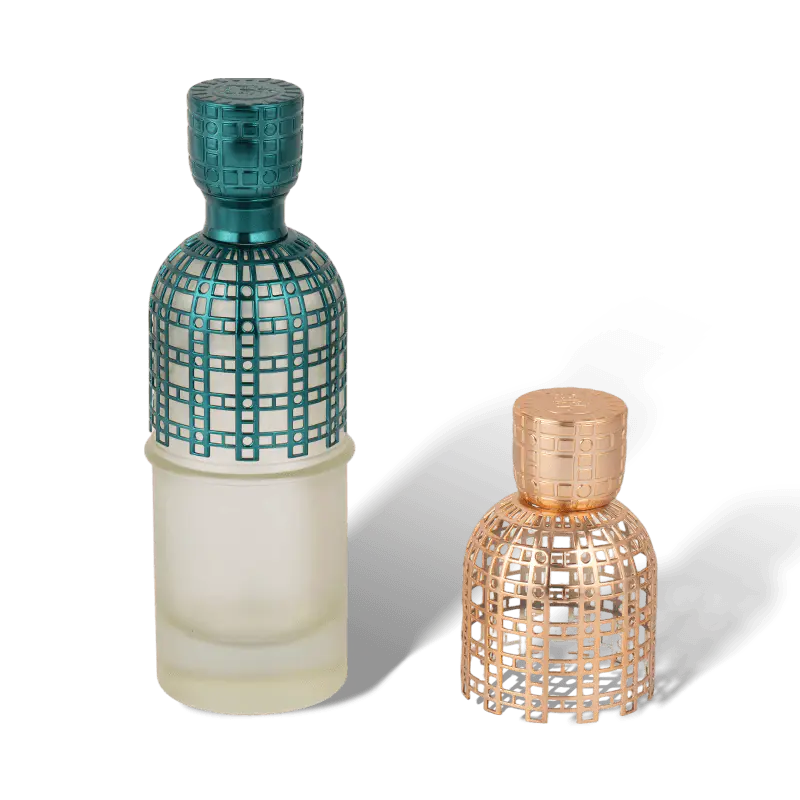 Gold 200ml/100ml/50ml/30ml Empty Arabic Dubai Glass Luxury Perfume Bottles
-
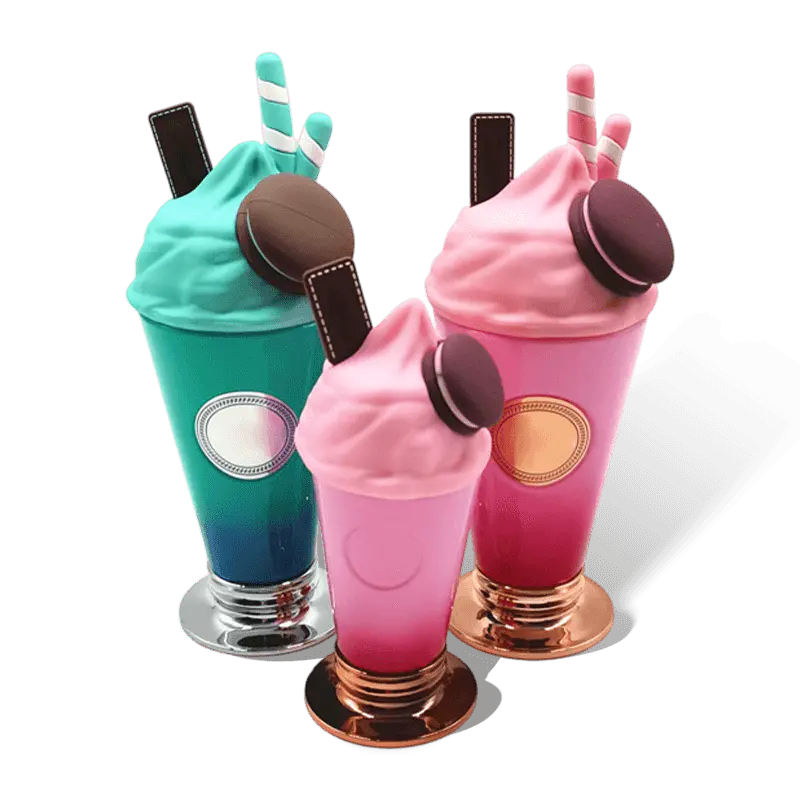 100ml Luxury Empty Glass Perfume Bottle
-
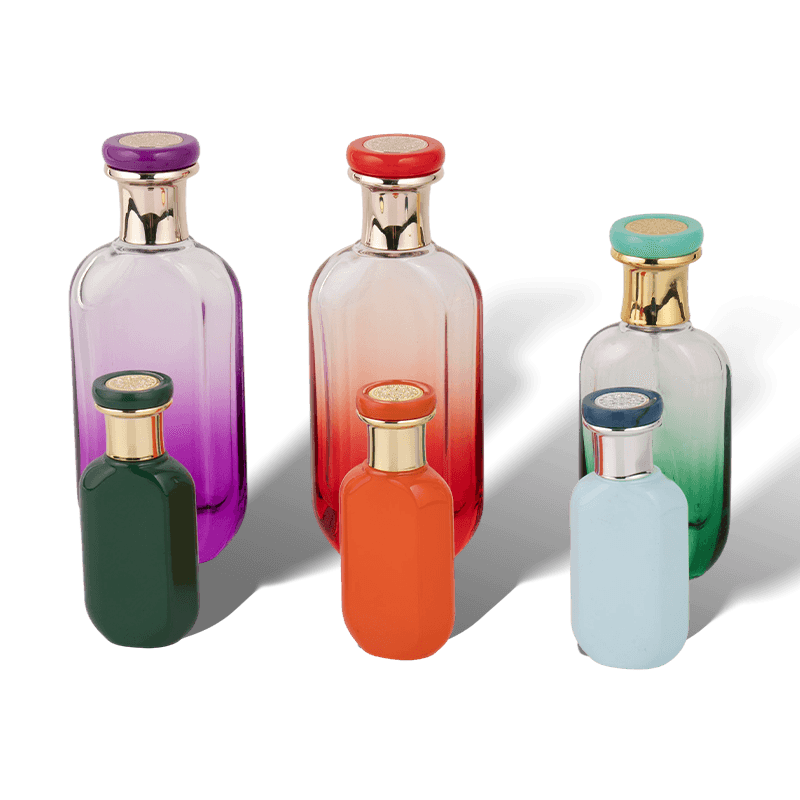 Recyclable Rectangular 30ml/50ml/100ml Glass Perfume Spray Luxury Perfume Bottle
-
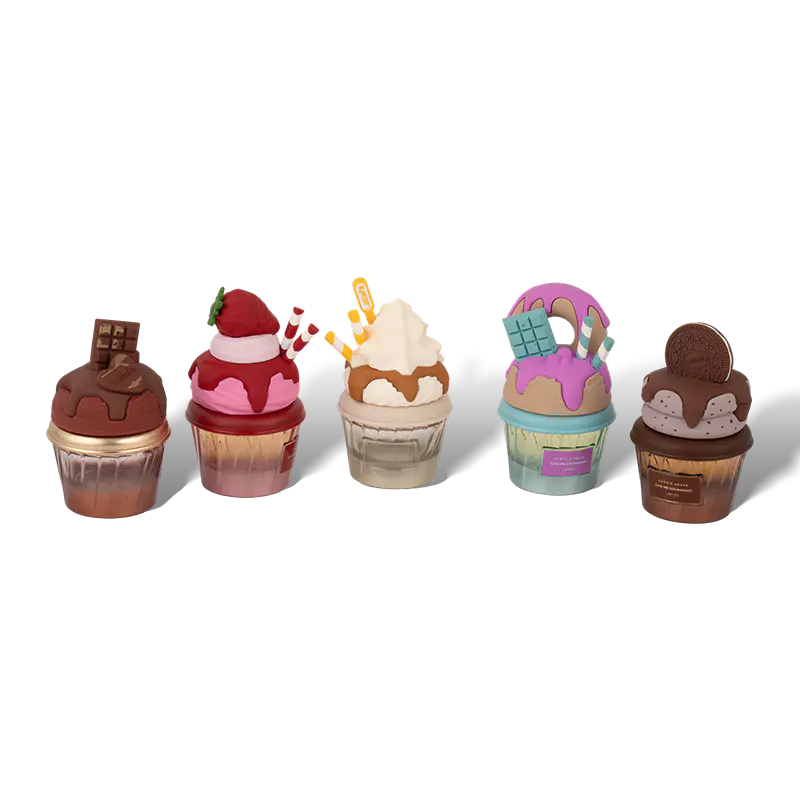 Luxury 100ml Round Perfume Bottle
-
 Round Luxury Empty 100ml Perfume Bottle
- +86 13968274500
- +86 13764345885
- ysgl@vip.163.com
- No. 10-18, Gaoxiakeng, Dongputou Village, Zhangqi Town