English
 中文简体
 Français
 Español
 عربى



Luxury Acrylic Skincare Packaging: A Professional Guide to Premium Cream Jars and Lotion Containers
In the competitive skincare market, packaging is more than a protective shell around a formulation. It is a visual statement, a tactile experience, a functional tool, and an important part of a brand’s positioning. Consumers often form their first opinion of a skincare product before opening it, reading the ingredient list, or applying the formula. The shape, weight, color, surface finish, dispensing system, and overall coordination of a package can influence whether a product appears trustworthy, effective, luxurious, modern, or suitable for professional use.
The DP-A-005 cream skincare cosmetic jar and matching lotion or serum bottle series is designed for brands that want to communicate purity, refinement, reliability, and understated luxury. Available in gold, red, and white visual combinations, the series focuses on a soft tapered silhouette, pearl-like color, crystal acrylic construction, and metallic decorative details. Rather than relying on overly ornate styling, it creates a premium impression through proportion, material depth, controlled decoration, and a calm skincare-oriented aesthetic.
The cream jars are available in 15g, 30g, and 50g sizes, while the related product family also includes lotion or serum bottles and additional container specifications. This range allows a brand to build a coordinated skincare collection across creams, balms, lotions, emulsions, and concentrated serums. The result is a packaging system that can support a complete product line instead of a single isolated item.
For skincare manufacturers, private-label companies, distributors, and emerging cosmetic brands, the series offers a combination of visual differentiation, practical usability, material performance, and manufacturing support. Its double-layer acrylic appearance, ergonomic curves, precision pump options, and metallic rings create advantages over ordinary single-layer plastic packaging and many basic stock containers.
1. The Role of Premium Packaging in Modern Skincare
Skincare packaging must satisfy several requirements at the same time. It should protect the formula, provide a convenient user experience, support efficient filling and transportation, communicate the product’s market position, and create a consistent brand image. A package that succeeds in only one of these areas may still fail commercially. For example, a visually attractive container may be difficult to fill, while a highly practical package may look too generic for a premium launch.
The DP-A-005 series addresses these requirements through a balanced design language. Its form is decorative without being excessive, luxurious without appearing inaccessible, and professional without becoming visually cold. This balance is particularly valuable for skincare brands positioned in the middle-to-premium and luxury segments, where customers expect the packaging to justify the value of the product inside.
Consumers increasingly associate smooth curves, clean color palettes, translucent surfaces, and metallic accents with advanced skincare. These visual signals suggest controlled manufacturing, carefully selected ingredients, and a more considered product experience. Although packaging appearance cannot replace product performance, it can support a customer’s expectations and strengthen the perceived value of the formula.
In retail environments, the package must also stand out among dozens of competing products. A tapered cream jar with a pearl white body and a refined decorative ring can create a recognizable silhouette on a shelf, counter, vanity, or online product photograph. When used with matching bottles, the design gains additional visual strength because the entire collection appears intentional and professionally developed.
2. Product Overview of the DP-A-005 Series
The DP-A-005 series is a coordinated cosmetic packaging family centered on a rounded, tapered, and streamlined form. The core cream jar is offered in 15g, 30g, and 50g capacities. These sizes can support different product strategies, including travel or trial formats, standard retail sizes, professional treatment products, gift sets, and premium facial care collections.
The product description also identifies related lotion bottle specifications in the 120ml, 50ml, and 30ml range, as well as cream jar specifications in the 50g, 30g, and 20g range. The principal DP-A-005 cream jar presentation includes the 15g, 30g, and 50g options. Because packaging requirements can vary according to the formulation, filling process, market, and label design, buyers should confirm final dimensions, usable volume, component compatibility, and production tolerances during the sampling stage.
| Packaging Component | Available or Referenced Size | Typical Product Application | Primary Design Benefit |
|---|---|---|---|
| Wide-mouth cream jar | 15g, 30g, 50g | Face cream, moisturizing cream, brightening cream, repair balm | Easy access and premium presentation |
| Lotion or serum bottle | 30ml, 50ml, 120ml | Serum, lotion, emulsion, essence | Controlled dispensing and coordinated line appearance |
| Metallic decorative ring | Gold or silver appearance | Decorative enhancement for jars and bottles | Creates a luxury or technology-oriented visual cue |
| Double-layer acrylic body | Series construction | Cosmetic container applications | Combines transparency, depth, and pearl-like color |
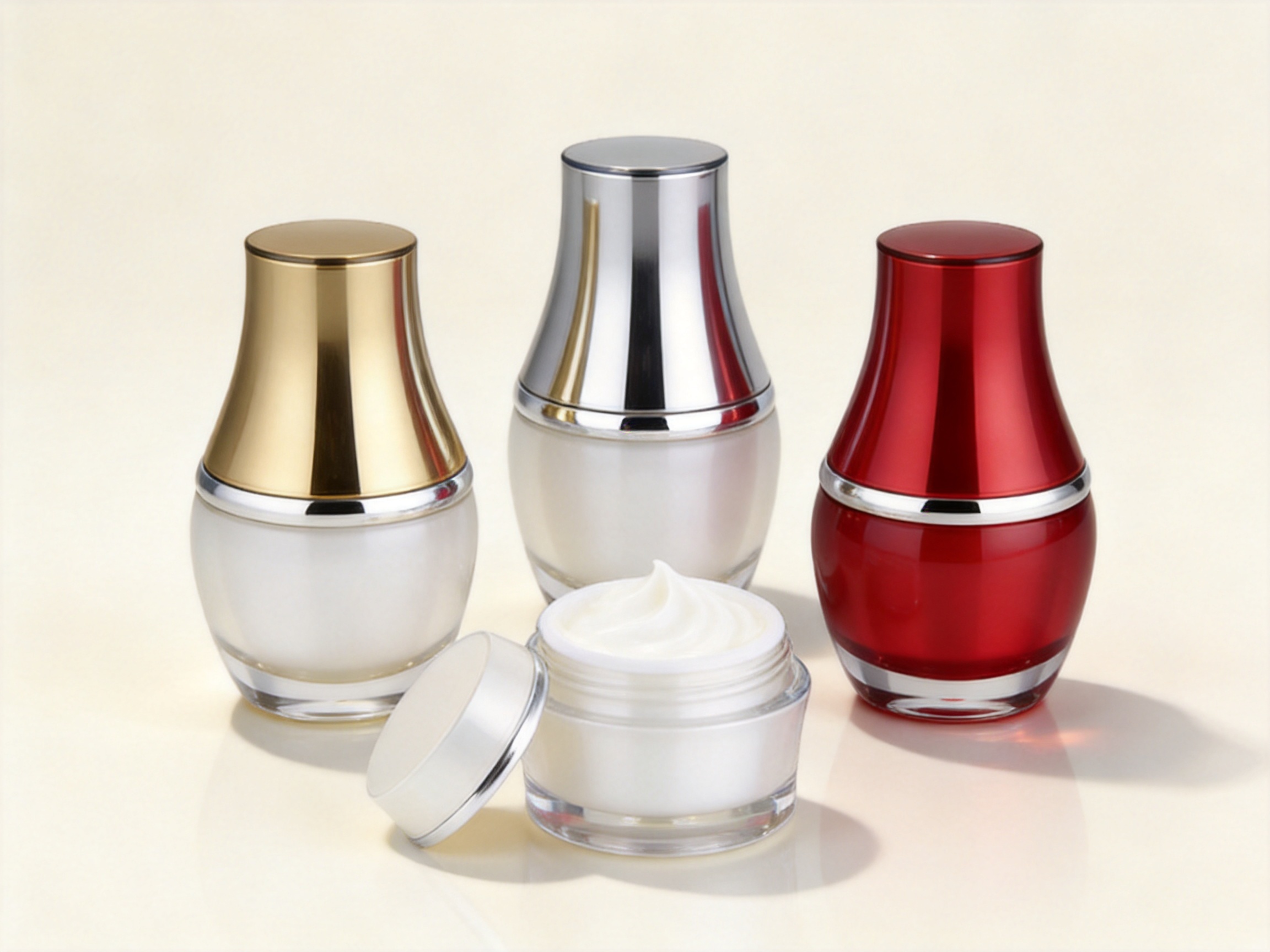
The design is available in visual combinations that include gold, red, and white. The pearl white body provides the main identity of the series, while the decorative treatment can shift the impression toward classic luxury, energetic premium beauty, or clean clinical skincare. Gold details generally create a warmer and more luxurious impression. Silver details can emphasize freshness, technology, hydration, and professional skincare. Red elements can add visibility and a stronger sense of energy when used as part of the overall product presentation.
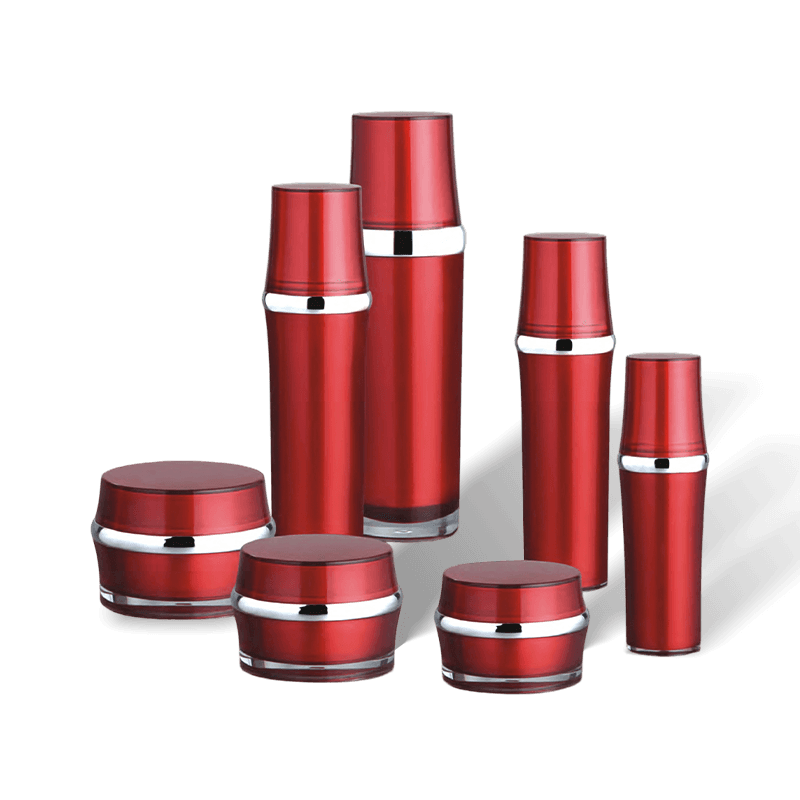
DP-A-005 Gold/red/white 15g/30g/50g cream skincare cosmetic jar
3. A Design Language Based on Purity and Softness
The central design concept of the series is purity. Instead of using complicated ornamental structures, the container relies on a controlled silhouette and high-quality surface treatment. This approach is suitable for skincare brands that want to communicate clarity, calmness, cleanliness, and trust.
The tapered shape is one of the most important visual characteristics. Traditional cream jars often use a straight cylindrical body with limited variation between the base and shoulder. While this can be practical, it may also appear ordinary when placed beside more distinctive premium packaging. The DP-A-005 form introduces a gradual narrowing and widening effect that gives the container a more dynamic outline.
A tapered silhouette can also influence how users interact with the product. The curved surface is comfortable to hold and offers a natural grip during opening and closing. The shape feels less rigid than a straight-sided jar, while the broad upper area can still provide enough visual presence for a substantial cream product. This combination of comfort and visual balance is particularly appropriate for products used as part of a daily skincare ritual.
The gentle curves create a feminine and refined impression without limiting the series to a strictly feminine market. By selecting silver decoration, restrained printing, and a cool color system, the same basic form can also be used for men’s skincare, oil-control products, hydration lines, or professional treatment ranges.
Visual Advantages of the Tapered Structure
The tapered form offers several advantages over simple straight-wall jars. First, it produces a stronger side profile, which helps the product remain recognizable in photographs and retail displays. Second, it creates a more comfortable grip for users. Third, it allows the packaging to appear lighter and more graceful than a thick, block-like container. Finally, it adds movement to the overall design while preserving the stability expected from a cream jar.
Premium packaging does not always need to be complex. In many cases, a carefully controlled shape is more effective than multiple decorative elements. The DP-A-005 series demonstrates how proportion, curvature, color, and surface depth can work together to create a luxurious impression without overwhelming the skincare brand’s logo or product message.
4. Double-Layer Crystal Acrylic Construction
Material appearance is a major part of the product’s competitive value. The DP-A-005 series uses high-quality acrylic with a double-layer construction created through a double-injection molding process. This structure allows the package to combine an outer layer with a glass-like thickness and transparency with an inner layer that provides a pearl white appearance.
Compared with ordinary single-layer plastic jars, double-layer acrylic can deliver greater visual depth. Light interacts with the outer surface and inner color in a way that creates a more substantial and refined appearance. The package can look luminous without becoming fully transparent, and the pearl effect creates a soft porcelain-like quality that supports the concept of purity.
This visual depth is especially useful for skincare brands that want a premium appearance while maintaining the practical advantages of plastic packaging. Acrylic can provide an elegant, glass-inspired effect while offering design flexibility for shapes, decorative treatments, and integrated packaging components. The exact performance of any container will depend on the final structure, wall thickness, formulation, closure system, and manufacturing specifications, so technical validation remains an essential part of product development.
Why Acrylic Is Suitable for Premium Cosmetic Packaging
Acrylic is widely used in cosmetic packaging because it can be molded into smooth, precise forms and finished in multiple visual styles. It supports opaque, translucent, transparent, frosted, pearl, and colored appearances. This versatility allows packaging manufacturers to develop a unified design language across jars, bottles, caps, and accessories.
For premium skincare, acrylic can also create a sense of weight and solidity. When combined with an appropriate wall structure and surface finish, it may appear more substantial than lightweight conventional plastic packaging. This tactile impression matters because consumers often interpret a heavier, smoother, and more carefully finished package as a higher-value product.
The double-layer approach further improves the ability to control the visual result. The outer layer can provide clarity and protection for the inner decorative effect, while the inner layer establishes the core color identity. This makes it possible to create a pearl white appearance that remains calm and elegant under different lighting conditions.
Light Management and Product Presentation
The product information emphasizes that the inner structure can help reduce external light interference with skincare ingredients. Packaging should not be described as an absolute barrier against every form of light unless the applicable technical test data confirms that claim. However, the double-layer construction can contribute to a more substantial and visually protective container structure. Brands handling light-sensitive formulations should conduct compatibility and light-transmission tests using the final package and formula.
Even when the primary objective is aesthetic, the relationship between light and packaging remains important. Pearl white surfaces diffuse reflections and create a softer appearance than clear plastic. The package is therefore less likely to look visually harsh under strong retail lighting or studio photography. This can help convey the calm, healing, and reliable character associated with high-quality skincare.
5. Gold, Silver, Red, and White Decorative Options
Color and decoration determine how a package is interpreted. The DP-A-005 series supports several visual directions while maintaining a consistent container architecture. This gives brands the opportunity to create multiple product lines without abandoning a recognizable packaging family.
Gold for Warm Luxury
Gold decorative details add warmth and prestige. A fine gold ring around a pearl white jar can make the package appear more ceremonial and luxurious without requiring excessive ornamentation. This combination is suitable for anti-aging creams, premium moisturizing products, nourishing masks, repair balms, gift collections, and high-value facial treatments.
Gold works particularly well with warm typography, cream-colored labels, beige cartons, deep red accents, or dark green secondary colors. Because the jar itself remains relatively restrained, the metallic detail can act as a visual focal point rather than competing with the brand identity.
Silver for Freshness and Technology
Silver creates a cooler and more technical impression. When paired with a pearl white body, it can communicate hydration, freshness, cleanliness, and professional formulation. This option is appropriate for water-based products, oil-control ranges, men’s skincare, sensitive-skin products, refreshing lotions, and concentrated serums.
Silver decoration can also support a minimalist design system. Brands using blue, gray, white, or translucent graphics may find that silver provides a seamless connection between the container and the rest of the visual identity.
Red for Visibility and Energy
Red can be used to add energy, contrast, and stronger shelf recognition. It may be appropriate for revitalizing products, firming products, intensive repair lines, festive gift collections, or brands that want a more expressive visual identity. Because the cream jar already has a refined shape, red accents can be introduced selectively without making the design appear uncontrolled.
White as the Core Identity
Pearl white remains the foundation of the series. It gives the product a clean, calm, and versatile appearance. White packaging can be adapted to a broad range of skincare concepts, from clinical minimalism to luxury wellness. The pearl effect prevents the surface from looking flat or inexpensive, while the acrylic depth helps the package retain visual interest.
6. Cream Jar Functionality and User Experience
The wide-mouth cream jar format is suitable for products with a thicker texture, including facial creams, night creams, moisturizing creams, brightening creams, sleeping masks, treatment balms, and repair products. The opening allows users to access the product directly, which can be convenient when the formula is too thick for a pump or when the brand wants to preserve a traditional cream ritual.
A jar also provides a generous surface for decorative design. The cap, shoulder, body, and ring can be coordinated with printing, hot stamping, labels, or secondary packaging. This creates more opportunities for customization than a very narrow bottle, especially for brands that want to present the product as a premium gift or treatment item.
The available 15g, 30g, and 50g options support different commercial strategies. A 15g jar may be suitable for travel, trial kits, introductory sets, professional sampling, or highly concentrated products. A 30g jar can serve as a compact standard size for facial treatments or specialty creams. A 50g jar offers a more generous volume for daily-use moisturizers, larger retail products, and premium home-care formulas.
| Size | Potential Commercial Use | Packaging Strategy |
|---|---|---|
| 15g | Trial size, travel size, gift set, intensive treatment | Encourages sampling and supports premium discovery kits |
| 30g | Concentrated cream, facial treatment, compact retail format | Balances premium appearance with manageable product volume |
| 50g | Daily moisturizer, repair cream, night cream, full-size product | Provides stronger shelf presence and extended usage |
The user experience also depends on closure performance. A premium jar should open smoothly, close securely, and maintain an appropriate fit after repeated use. During development, brands should assess thread engagement, cap alignment, torque, seal behavior, leakage resistance, and compatibility with any inner lid or liner. These details are especially important for skincare products used in bathrooms or humid environments.
Hygiene and Formula Considerations
Jar packaging provides convenient access, but users may touch the formula directly. Brands should consider whether the formulation requires a spatula, inner cover, protective seal, or specific usage instructions. The final packaging configuration should be selected according to the formula’s viscosity, preservation system, active ingredients, expected shelf life, and target market requirements.
For formulas that are highly sensitive to contamination or oxidation, an airless system may be more appropriate than a conventional wide-mouth jar. The DP-A-005 jar is best evaluated as a premium traditional cream container whose suitability depends on the product’s technical requirements. Proper compatibility testing should include accelerated stability, migration assessment where applicable, odor testing, color evaluation, and repeated-use simulation.
7. Coordinated Lotion and Serum Bottles
A major strength of the series is the ability to combine cream jars with streamlined lotion or serum bottles. A skincare line appears more professional when its different products share a common shape language, color family, and decorative treatment. Matching components can help consumers understand that the products belong to the same collection.
The related bottle format uses a precision pump and a semi-transparent cap. A pump is suitable for lotions, emulsions, lightweight creams, essences, and many serum textures. It can help dispense a measured amount and reduce the need for direct contact with the product. For brands that want to emphasize convenience and cleanliness, the pump bottle can complement the more traditional jar format.
The referenced bottle capacities include 30ml, 50ml, and 120ml. A 30ml bottle is commonly associated with concentrated serum or treatment products. A 50ml format can support a standard lotion or emulsion. A 120ml bottle may be suitable for larger daily-use lotions, toner-like products, or body and facial care products, subject to the final bottle design and filling specifications.
The semi-transparent cap contributes to a layered visual effect. It can echo the outer transparency of the acrylic body while allowing the pearl white interior or pump mechanism to remain partially visible. This creates continuity between the bottle and jar while giving the bottle its own functional identity.
Advantages of a Pump System
A precision pump can improve portion control and reduce unnecessary exposure of the formula to air and repeated hand contact. It may also provide a more modern and professional experience than an open jar for fluid products. The pump actuator should be evaluated for dosage consistency, priming performance, compatibility with the formula, and resistance to leakage during transportation.
Brands should also consider the relationship between the pump and the product viscosity. A pump designed for a thin lotion may not perform well with a thick emulsion or concentrated serum. The development process should therefore include multiple fill tests using the actual formula or a representative laboratory substitute.
8. Competitive Advantages Over Standard Packaging
The DP-A-005 series offers several advantages compared with basic cosmetic jars and undifferentiated stock containers. These advantages are not limited to appearance; they also involve product-line coordination, customization potential, tactile quality, and manufacturing support.
8.1 More Distinctive Shelf Presence
A simple cylindrical jar may blend into a crowded skincare display. The curved tapered body of the DP-A-005 series creates a more recognizable profile. Its pearl white color and metallic ring can help the package stand out while maintaining a professional appearance.
8.2 Greater Perceived Material Value
Double-layer acrylic offers more visual depth than a basic single-layer plastic container. The glass-inspired outer surface and pearl inner layer can make the jar feel more substantial and luxurious. This is valuable for brands that need premium packaging without relying entirely on heavy glass construction.
8.3 Flexible Positioning
The combination of gold, silver, red, and white details enables different market interpretations. The same design family can support luxury anti-aging products, clinical hydration products, men’s skincare, repair treatments, or gift sets. This flexibility can reduce the need to develop a completely new package for every product category.
8.4 Complete Line Coordination
Many packaging suppliers can provide individual jars or bottles, but a coordinated system creates stronger brand recognition. The DP-A-005 series connects cream jars with lotion and serum bottles through a related shape, color, and decorative language. This improves the appearance of product collections in stores, e-commerce photography, trade shows, and promotional campaigns.
8.5 Ergonomic Handling
The rounded tapered form provides a comfortable grip and a softer hand feel. Compared with straight-sided, sharply edged, or excessively angular containers, the curved profile can make the daily opening and closing experience more pleasant.
8.6 Support for Brand Customization
The smooth surface and structured component design offer opportunities for printing, labeling, hot stamping, UV coating, and other finishing methods. Depending on the selected process and order requirements, brands can add logos, product names, ingredient claims, color coding, and collection identifiers.
These competitive advantages should be evaluated together rather than separately. A premium package succeeds when design, functionality, production quality, and commercial strategy reinforce one another.
9. Advanced Manufacturing Capabilities
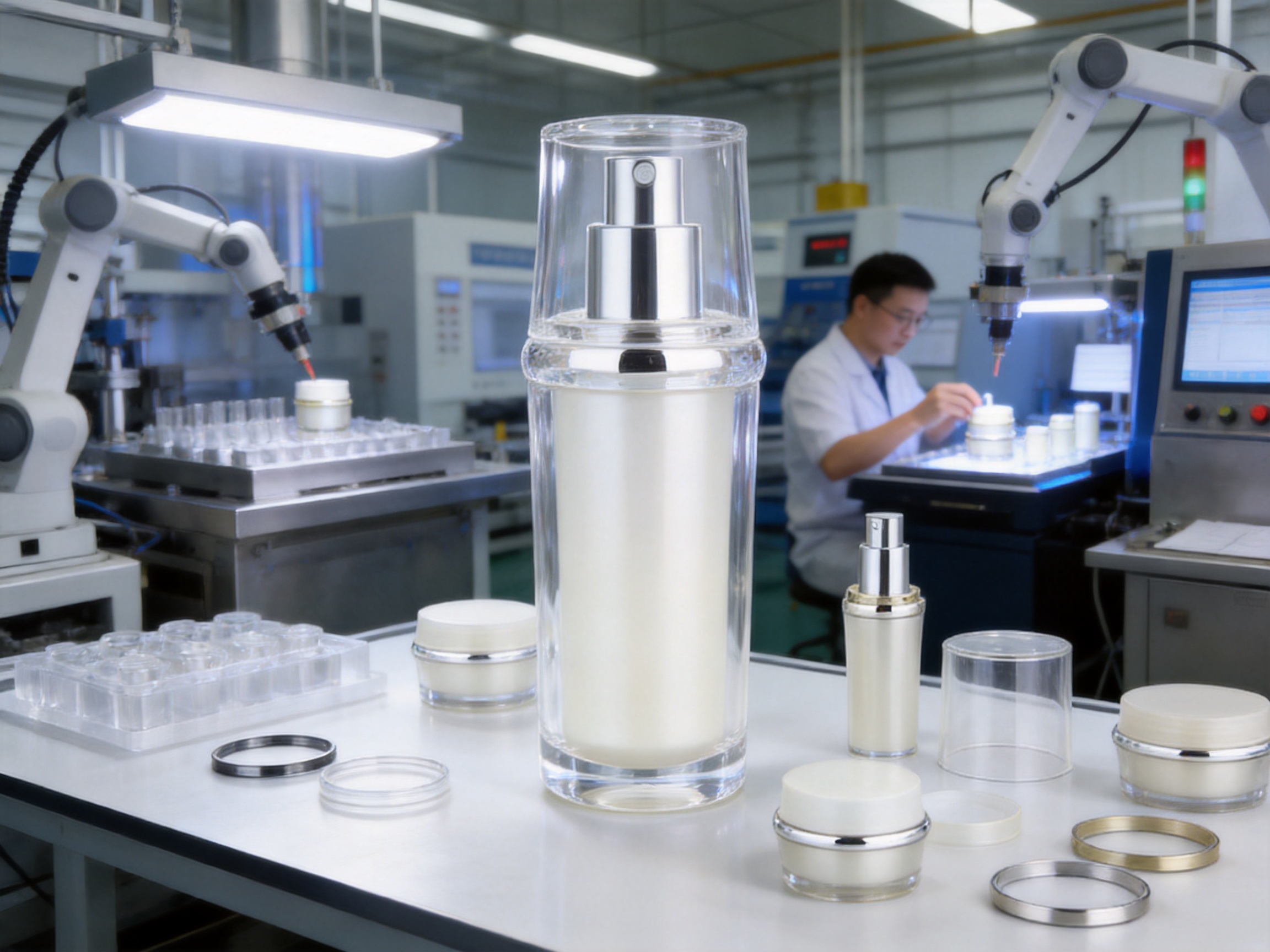
The quality of cosmetic packaging depends heavily on the manufacturing system behind the visible product. DEPRAG Plastic Products Co., Ltd. provides an integrated production process covering product research and development, design, mold manufacturing, plastic injection molding, blow molding, gilding and printing, UV coating, product testing, and warehousing.
This integrated structure is valuable because cosmetic packaging typically requires close coordination between industrial design, mold engineering, material selection, decoration, assembly, quality control, and logistics. When these stages are managed separately by multiple unrelated suppliers, communication problems can affect dimensions, color, alignment, decoration, or delivery schedules. An integrated supplier can help reduce these coordination risks.
Product Research and Development
Product development begins with understanding the intended application. A cream jar requires different considerations from a lotion bottle, including opening size, closure structure, formula access, inner sealing, filling speed, and user behavior. The research and development stage can translate the brand’s visual concept into a manufacturable component system.
For the DP-A-005 series, research and development supports the tapered structure, double-layer appearance, decorative ring, jar sizes, and bottle combinations. It also provides a basis for evaluating whether the same design language can be applied consistently across different capacities and product types.
Mold Manufacturing
Mold quality directly influences the accuracy, consistency, and surface finish of plastic packaging. A well-designed mold supports uniform wall thickness, reliable demolding, clean parting lines, stable dimensions, and repeatable production. Complex visual effects, such as double-layer construction and tapered curves, require careful engineering to achieve consistent results.
In-house or closely managed mold manufacturing can improve communication between the design and production teams. It allows engineering adjustments to be considered early, before mass production begins. This can be particularly important for premium packaging, where small defects in alignment, surface finish, or decorative positioning may be visible to consumers.
Plastic Injection Molding
Injection molding is used to form precise plastic components with repeatable dimensions. The process requires control of material temperature, mold temperature, injection pressure, cooling time, cycle time, and part ejection. For acrylic cosmetic packaging, process control is important because surface clarity, color uniformity, gloss, and dimensional stability contribute to the final appearance.
Double-injection molding or double-layer injection processes require additional coordination. The first layer must be formed accurately before the second layer is introduced. The interface between the layers, the distribution of material, and the cooling behavior can all influence the appearance of the finished component. Proper engineering helps reduce defects such as uneven color, visible flow marks, trapped air, distortion, or inconsistent wall thickness.
Blow Molding
Blow molding is another capability identified in the company’s production process. It can be used for suitable bottle structures and supports the broader packaging portfolio. Having access to multiple molding technologies allows the manufacturer to select a process according to the geometry, material, volume, and performance requirements of each component.
Gilding, Printing, and UV Coating
Decoration is an essential part of the DP-A-005 appearance. Gilding can create metallic gold or silver effects, while printing can add product information, brand marks, and visual patterns. UV coating can enhance surface gloss, improve tactile contrast, or provide additional visual depth depending on the selected finish.
Decorative processes require accurate registration and careful handling. A premium package can lose much of its value if metallic lines are misaligned, printed graphics are blurred, or coating coverage is inconsistent. An experienced manufacturer should control decoration parameters, inspect finished components, and confirm the approved color and artwork standards before mass production.
Product Testing
Testing helps confirm whether the packaging meets the required performance standards. Depending on the project, testing may include dimensional inspection, appearance inspection, closure testing, leakage testing, drop testing, torque testing, pump dosage testing, compatibility testing, and transportation simulation.
Testing should be conducted using production-intent components whenever possible. Samples from early laboratory molds may not represent the final mass-production result. Brands should establish acceptance criteria for scratches, black spots, flow lines, color variation, printing position, metallic coverage, assembly gaps, and functional performance.
Warehousing and Logistics
Packaging components must be stored and transported carefully to prevent dust, scratches, deformation, and decorative damage. A manufacturer with warehousing capability can coordinate finished goods storage and shipment more efficiently. This is especially useful for export customers managing multiple product launches, staged deliveries, or regional distribution requirements.
10. Quality Control for Premium Acrylic Packaging
Quality control begins before the first production run. It should include confirmation of drawings, material requirements, color standards, decoration artwork, approved samples, packaging specifications, and inspection procedures. The more precise the pre-production documentation, the easier it becomes to maintain consistency during mass production.
Appearance Inspection
Appearance inspection should assess the overall visual quality of the jar and bottle. Inspectors may check for scratches, dents, bubbles, black spots, flow marks, color differences, uneven pearl effects, deformation, contamination, and visible assembly defects. Because premium packaging often uses glossy or semi-transparent surfaces, lighting conditions during inspection should be controlled and consistent.
Dimensional Inspection
Dimensional accuracy affects compatibility with caps, liners, pumps, labels, cartons, and filling equipment. Key dimensions may include body diameter, neck finish, thread dimensions, height, shoulder profile, opening diameter, and decorative ring position. Consistent dimensions help ensure that the package performs reliably throughout filling and assembly.
Closure and Seal Evaluation
The jar cap should engage correctly with the body and maintain a secure closure. If an inner lid or liner is used, it should sit evenly and provide the intended protective function. For bottles, pump collars, dip tubes, and actuators should be assessed for alignment and secure attachment. Leakage testing can help identify problems before products reach the market.
Decoration and Color Consistency
Gold, silver, red, and pearl white components should be compared with approved reference samples. Metallic decoration can vary according to substrate, coating thickness, temperature, and production conditions. Color evaluation should consider the entire component system because the interaction between transparent, pearl, metallic, and printed surfaces affects the final appearance.
11. Sustainability and Responsible Packaging Development
Environmental considerations are increasingly important in cosmetic packaging. Acrylic and other plastic components can provide durability and lightweight transportation advantages, but responsible packaging development should also consider material selection, component reduction, manufacturing efficiency, product protection, and end-of-life pathways.
Brands should avoid making broad environmental claims without supporting evidence. Instead, they can evaluate the complete packaging system. Questions may include whether the component uses unnecessary excess material, whether the package protects the formula sufficiently to reduce product waste, whether different parts can be separated, and whether local recycling systems can process the selected materials.
The use of a durable package may help reduce breakage during transport compared with some fragile alternatives. However, the overall environmental performance depends on factors such as production energy, transportation distance, package weight, decoration methods, consumer behavior, and disposal infrastructure. A realistic sustainability strategy should examine the complete life cycle rather than focusing on one material characteristic.
DEPRAG’s integrated manufacturing capabilities can support discussions about material efficiency, mold optimization, production yield, decoration processes, and packaging logistics. Buyers should request the specific technical and environmental information needed for their target market and regulatory requirements.
12. Applications Across Skincare Categories
The DP-A-005 series can be adapted to multiple skincare categories because its visual language is broad and its component options are varied.
Moisturizing Creams
The 30g and 50g jars are suitable candidates for moisturizing creams, nourishing creams, and daily facial care products. Pearl white and gold can communicate comfort and richness, while silver can create a lighter hydration-oriented impression.
Brightening Products
Brightening creams often benefit from clean, luminous packaging. The pearl surface and crystal-like acrylic appearance can support a brightening concept without using excessive decoration. White, silver, and controlled gold accents can create a high-purity visual identity.
Repair Balms and Treatment Products
The wide-mouth jar is appropriate for richer repair balms and treatment creams. A 15g size can work well for intensive treatment or travel use, while a 50g size can support a full-size home-care product.
Anti-Aging Collections
Gold decoration and a substantial acrylic body can support anti-aging positioning. The tapered shape offers a premium appearance, while matching serum bottles and cream jars can form a complete treatment collection.
Men’s Skincare
Silver rings, cool white surfaces, simple typography, and restrained decoration can shift the packaging toward a modern men’s skincare identity. The tapered structure remains ergonomic without depending on highly ornate styling.
Professional and Spa Products
The clean and reliable appearance of the series can suit spa treatments, salon skincare, aesthetic clinics, and professional facial-care collections. Brands in this segment may combine the jars with precise labeling, treatment numbers, and coordinated secondary packaging.
13. Customization and Brand Development
Stock packaging provides speed and cost advantages, but customization allows a brand to create a more distinctive market identity. The DP-A-005 series can serve as a foundation for customization through color selection, decorative rings, surface printing, metallic treatment, labels, cartons, and coordinated accessories.
Customization should begin with a clear brand brief. The brief should identify the target customer, product category, desired price position, color palette, decoration style, usage environment, formula characteristics, and sales channel. For example, a luxury anti-aging brand may prioritize gold and rich secondary colors, while a clinical hydration brand may prefer silver, translucent blue, and minimal printing.
Artwork should be prepared according to the actual printable area and surface curvature. A tapered container can create visual distortion if graphics are not adjusted correctly. The manufacturer should review the artwork, confirm the decoration process, and produce pre-production samples for approval.
Brands should also decide whether the jar and bottle use identical decorative treatments or complementary treatments. Identical decoration creates strong uniformity, while complementary decoration can help distinguish product categories within the same family. For example, jars may use a gold ring while serum bottles use a gold collar and matching cap detail.
14. From Sample Approval to Mass Production
A reliable packaging project follows a controlled development sequence. The first stage is product selection and technical discussion. Buyers should provide the intended formula type, capacity, closure preference, decoration requirements, estimated order quantity, and target market.
The second stage is sampling. Samples allow the buyer to assess shape, color, grip, cap fit, pump performance, decoration quality, and compatibility with the product concept. At this stage, changes are generally easier and less expensive than after mass production begins.
The third stage is formula compatibility and filling evaluation. The actual skincare formula should be tested with the container, closure, liner, pump, or inner lid. The brand should assess color change, odor, viscosity change, leakage, dispensing consistency, and stability over the planned shelf life.
The fourth stage is artwork and decoration approval. The buyer should approve a physical decorated sample rather than relying only on digital renderings. Metallic finishes, pearl effects, transparency, and printing can appear different on screen compared with the finished component.
The fifth stage is production preparation. Mold conditions, material specifications, quality standards, inspection methods, packing configuration, and delivery schedule should be confirmed. A retained golden sample can serve as a reference during production inspection.
The final stage is mass production, inspection, packing, warehousing, and shipment. Strong communication at every stage helps prevent misunderstandings regarding color, quantity, component combinations, and acceptable cosmetic defects.
15. Why an Integrated Supplier Matters
Packaging development often involves many technical details that are not visible in a product photograph. The appearance of a premium jar depends on mold accuracy, injection settings, material quality, decoration, assembly, inspection, and packing. An integrated supplier can coordinate these processes more effectively than a fragmented supply chain.
DEPRAG Plastic Products Co., Ltd. combines design, mold manufacturing, plastic molding, decoration, testing, and warehousing capabilities. The company is located in Cixi, China, a developed plastic manufacturing area near the Hangzhou Bay Bridge and within practical reach of Ningbo’s Beilun deep-water port and Hangzhou Xiaoshan International Airport. This location supports domestic and international logistics coordination.
The company’s product portfolio includes thousands of daily chemical packaging designs, as well as customized mold development. This combination gives buyers access to standard solutions while preserving the possibility of developing a more distinctive package. For brands that need professional technical support, the supplier’s research and development team can help connect creative requirements with manufacturing feasibility.
Technical support is especially valuable when a product includes multiple components, such as a double-layer jar, decorative ring, inner lid, pump bottle, cap, and coordinated carton. The more components a package has, the more important it becomes to manage dimensional relationships, color consistency, assembly, and delivery timing.
16. Buying Considerations for Distributors and Brands
Before placing an order, buyers should confirm the following points:
First, confirm the exact product model and capacity. The DP-A-005 series includes several jar and bottle options, and similar-looking components may have different dimensions or closures.
Second, request technical drawings and sample components. Drawings help the brand design labels, cartons, filling lines, and shipping cases accurately.
Third, confirm the material and surface treatment. Buyers should understand whether the selected component is transparent, translucent, pearl, colored, coated, or decorated, and which parts use which process.
Fourth, test the formula. Packaging compatibility should never be assumed solely from appearance. The formula, closure, and package must be evaluated together.
Fifth, confirm minimum order quantity, lead time, tooling requirements, decoration charges, packing method, and shipping terms. These commercial details can influence the final unit cost and launch schedule.
Sixth, define quality standards in writing. A reference sample and defect classification system can help both supplier and buyer evaluate production consistently.
Seventh, plan sufficient time for sampling and approval. Rushed packaging development can lead to incorrect artwork, unsuitable pumps, inconsistent color, or delayed production.
17. Frequently Asked Questions
Q1: What sizes are available for the DP-A-005 cream jar?
The primary cream jar sizes identified for the DP-A-005 series are 15g, 30g, and 50g. These sizes can support trial products, concentrated treatments, standard facial creams, and larger daily-use products. Buyers should confirm the final usable capacity and dimensions with the supplier before production.
Q2: Is the series limited to cream jars?
No. The series also includes coordinated lotion or serum bottles. Referenced bottle sizes include 30ml, 50ml, and 120ml. The bottle format can use a precision pump and semi-transparent cap for lotions, emulsions, serums, and other compatible fluid products.
Q3: What makes the packaging different from a basic plastic jar?
The key differences include the tapered curved form, double-layer acrylic construction, pearl white inner appearance, glass-like outer depth, metallic decorative ring, and coordinated bottle options. These features create stronger visual differentiation and a more premium tactile impression than many ordinary single-layer stock jars.
Q4: Which products are suitable for the wide-mouth jar?
The jar may be suitable for facial creams, moisturizing creams, brightening creams, night creams, repair balms, sleeping masks, and other formulas with compatible viscosity and stability requirements. The brand should conduct formula compatibility and hygiene evaluations before final approval.
Q5: Can the packaging be used for men’s skincare?
Yes. The basic shape is versatile. A silver decorative ring, cool color palette, minimal graphics, and restrained finishing can create a modern men’s skincare appearance. The final positioning depends on the selected color, decoration, label, and secondary packaging.
Q6: What is the purpose of the double-layer acrylic structure?
The double-layer structure creates visual depth by combining an outer layer with a glass-like appearance and an inner pearl white layer. It can make the container appear more substantial and refined. Brands should request technical data and conduct testing if specific light-protection or barrier claims are required.
Q7: Can gold and silver decorative treatments be customized?
The product information identifies both exquisite gold and cool silver edge options. Final customization possibilities depend on the selected component, process, order quantity, artwork, and production requirements. A physical sample should be approved before mass production.
Q8: Does the supplier provide mold development?
DEPRAG Plastic Products Co., Ltd. provides product research and development, design, and mold manufacturing, in addition to plastic molding and decoration. Buyers seeking customized components should discuss the design concept, technical requirements, tooling ownership, and development process with the supplier.
Q9: What should be tested before filling the product?
Brands should evaluate dimensional fit, closure performance, leakage resistance, formula compatibility, odor, color change, viscosity change, dispensing performance, stability, and transportation resistance. The exact test program should reflect the formula, packaging structure, market regulations, and expected shelf life.
Q10: Can the jar and bottle be used as one product collection?
Yes. Their coordinated shape language, pearl white appearance, metallic details, and related finishing options are intended to support a complete skincare collection. A brand can use the jar for creams and the pump bottle for lotions or serums while maintaining a consistent visual identity.
Q11: Is acrylic automatically more sustainable than glass?
No material should be described as automatically more sustainable in every application. Environmental performance depends on material weight, production energy, transportation, durability, decoration, product protection, and end-of-life systems. Buyers should evaluate the entire packaging system and request relevant technical information.
Q12: How can a brand begin a packaging project?
The usual process begins with selecting the component and size, requesting samples and drawings, discussing formula compatibility and decoration, reviewing production requirements, approving a physical sample, and then confirming the mass-production schedule. Clear technical and quality specifications should be established before ordering.
18. Conclusion
The DP-A-005 series presents a strong solution for skincare brands seeking a combination of elegance, functionality, and manufacturing flexibility. Its tapered curved design provides a distinctive silhouette and comfortable grip. The double-layer acrylic structure creates crystal-like depth and a pearl white appearance. Gold, silver, red, and white options allow the same packaging family to serve different market positions, from warm luxury to cool professional skincare.
The 15g, 30g, and 50g cream jars support multiple commercial formats, while matching 30ml, 50ml, and 120ml lotion or serum bottles help brands create complete product collections. The wide-mouth jar is appropriate for many cream and balm applications, while the precision pump bottle offers controlled dispensing for compatible fluid formulas.
Beyond the visible design, the series benefits from an integrated manufacturing system that includes research and development, mold manufacturing, injection molding, blow molding, gilding, printing, UV coating, testing, and warehousing. This combination allows DEPRAG Plastic Products Co., Ltd. to support both standard packaging supply and customized packaging development.
For brands competing in the premium skincare market, packaging must look refined, feel reliable, function correctly, and arrive with consistent quality. By combining controlled aesthetics with practical component options and professional manufacturing capabilities, the DP-A-005 series can help skincare products present a more valuable, coherent, and memorable identity.
References
1. Cosmetic Packaging Development Principles, technical guidance on container design, compatibility, decoration, and quality evaluation.
2. Plastics Injection Molding Fundamentals, reference material on mold design, process control, dimensional accuracy, and surface quality.
3. Packaging Compatibility and Stability Testing Guidelines, general guidance for evaluating cosmetic formulas with primary packaging.
4. Sustainable Packaging Assessment Methods, reference principles for reviewing material efficiency, transport impact, durability, and end-of-life considerations.
5. Cosmetic Product Quality Management Practices, general reference for appearance inspection, dimensional control, closure testing, and production approval.
6. Product and manufacturing information supplied for the DP-A-005 luxury acrylic cream jar and coordinated skincare packaging series.
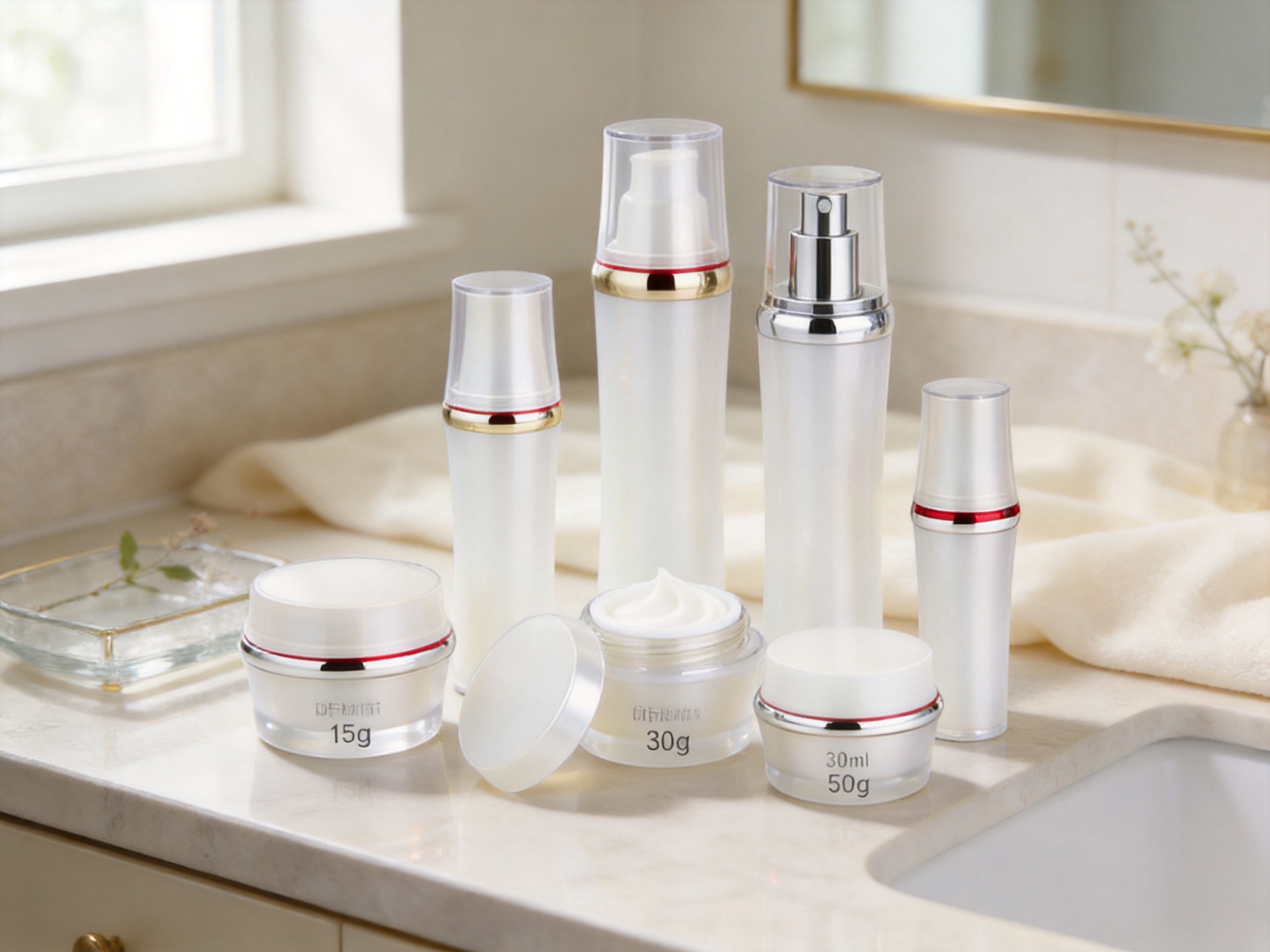
Product: DP-A-005 Gold/red/white 15g/30g/50g cream skincare cosmetic jar

-
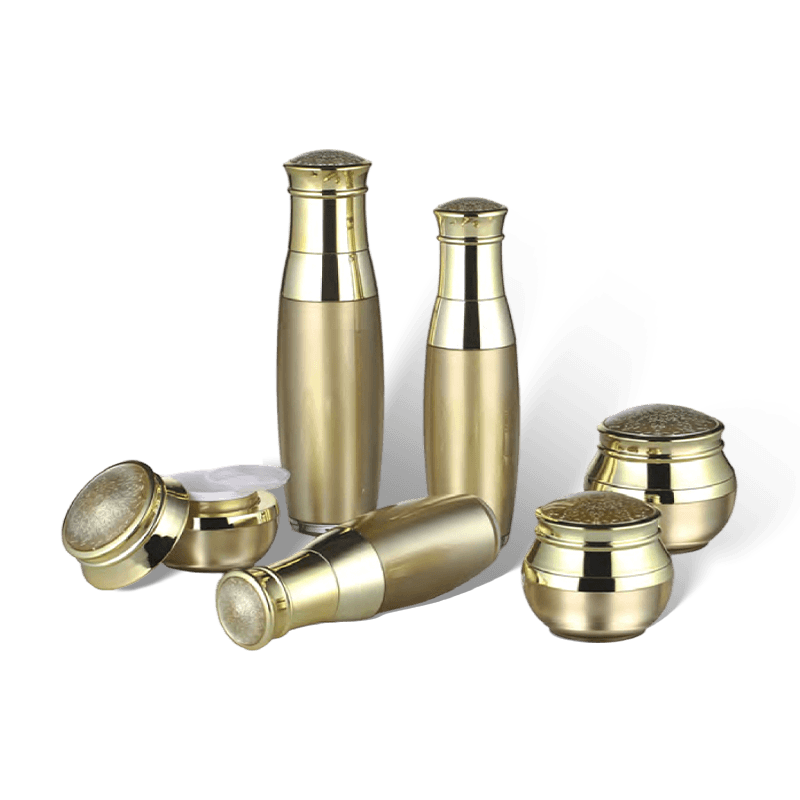 DP-A-021 50g/30g/20g Skin Whitening Cream Packaging Cosmetic Jars
-
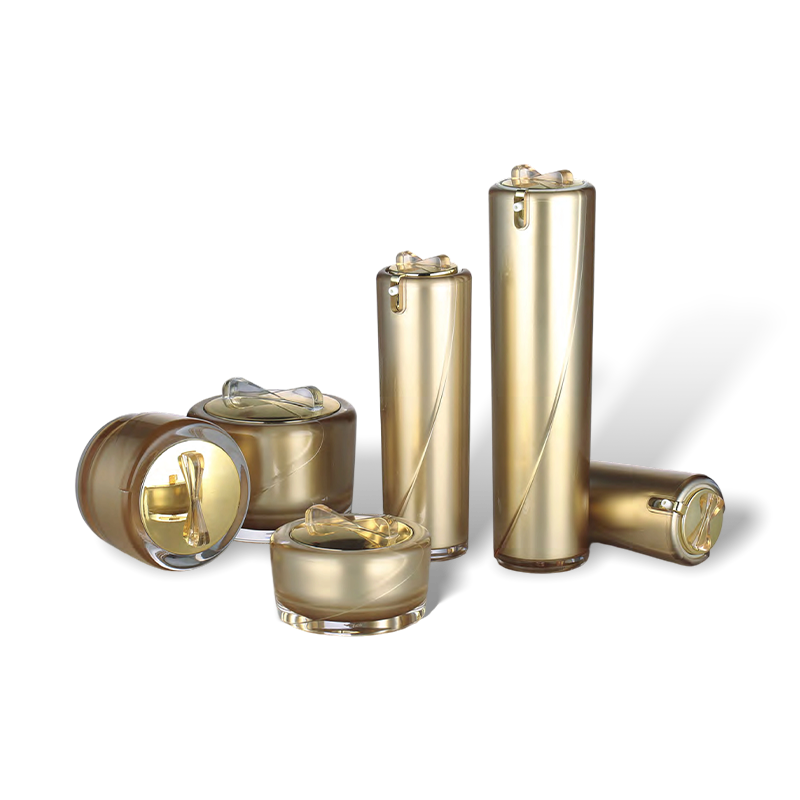 DP-A-020 120ml Green Acrylic Cream Bottle 50g Blue Acrylic Cosmetic Container 50ml Acrylic Jar and Bottles
-
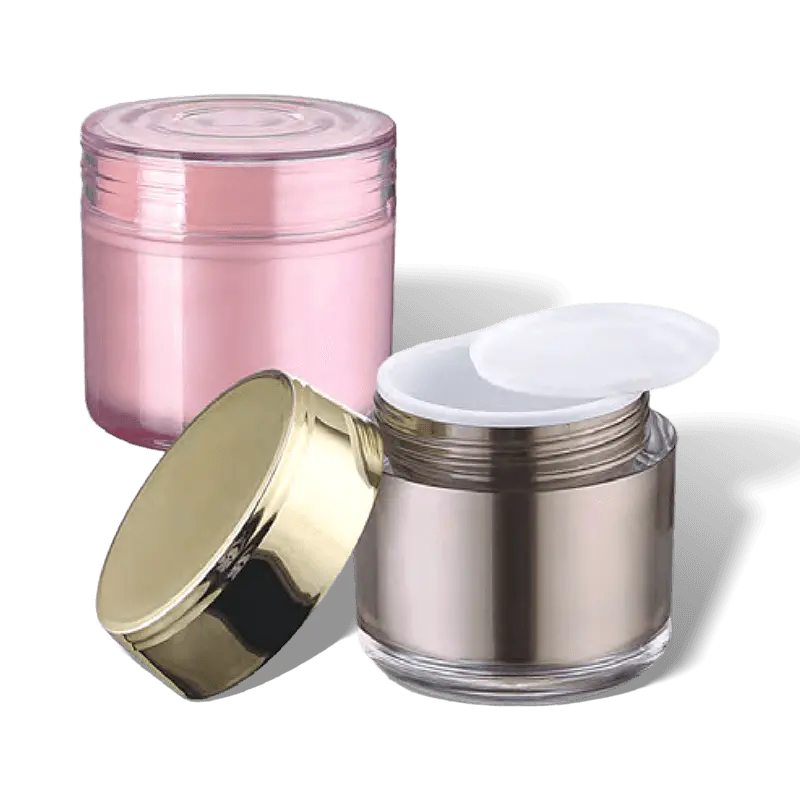 DP-A-009 Body Cream Jar 80ml Container 70ml Cosmetic Packaging Body Butter Plastic Jar
-
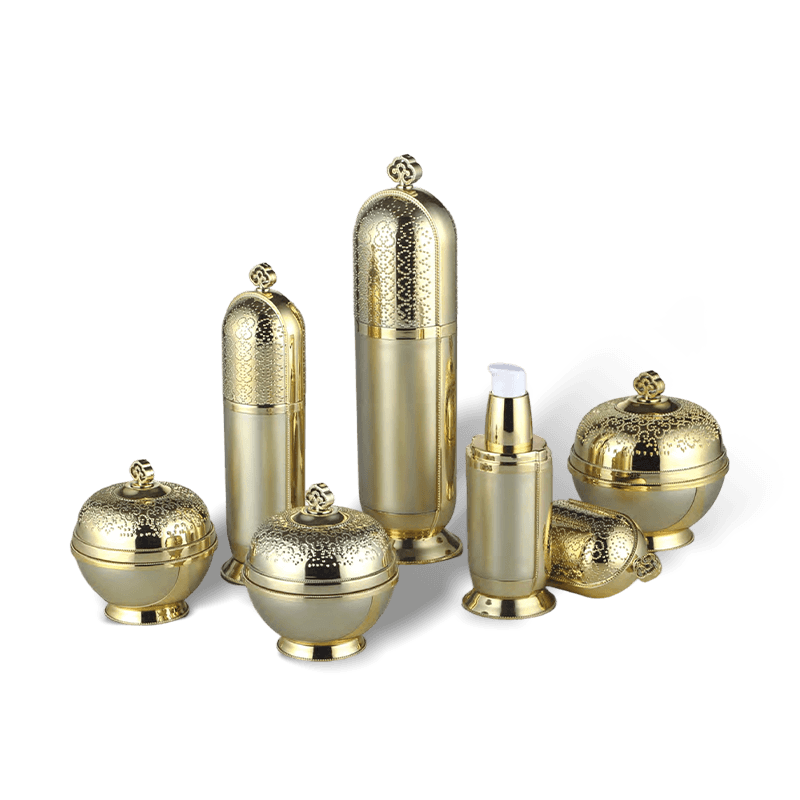 DP-A-018 Acrylic jars for whitening and anti-aging cosmetic creams
-
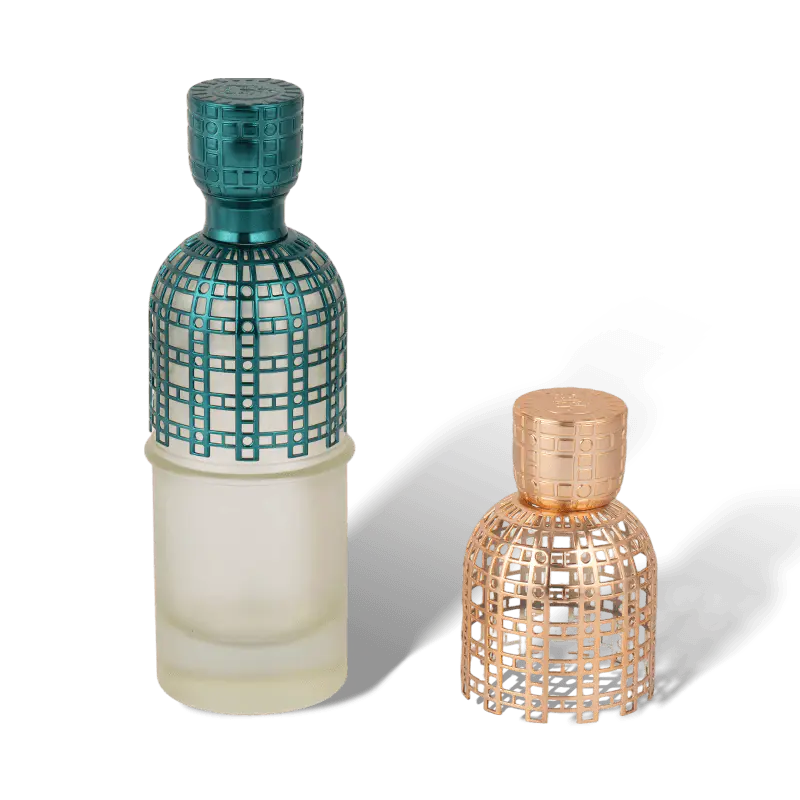 Gold 200ml/100ml/50ml/30ml Empty Arabic Dubai Glass Luxury Perfume Bottles
-
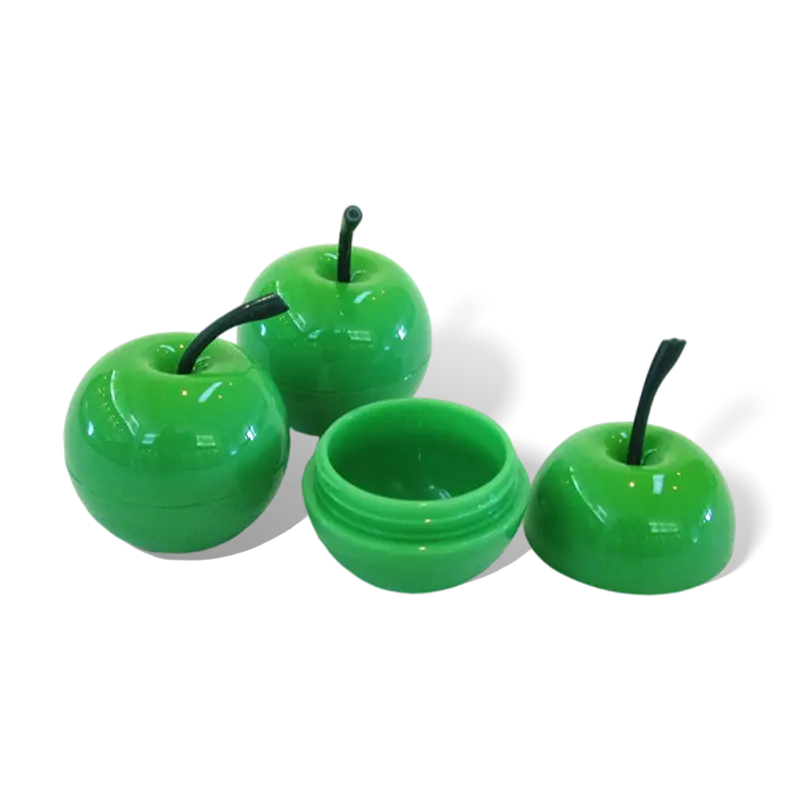 10g Luxury Creative Cherry-Shaped Face Cream Jar
- +86 13968274500
- +86 13764345885
- ysgl@vip.163.com
- No. 10-18, Gaoxiakeng, Dongputou Village, Zhangqi Town