English
 中文简体
 Français
 Español
 عربى



Luxury Arabian-Style Glass Perfume Bottles for Distinctive Fragrance Brands
In the luxury fragrance market, packaging is not merely a protective container. It is an essential part of the product experience, a visual expression of the fragrance itself, and a powerful way for a brand to communicate quality before the first spray is released. High-end glass Arabian-style empty perfume bottles combine functional packaging with decorative artistry, offering fragrance companies an opportunity to create an unmistakable presence on retail shelves, in hotel collections, in private-label programs, and in premium gift sets.
This 100 ml perfume bottle is designed around a strong contrast between a transparent rectangular glass core and an elaborate gold openwork metal exterior. Crimson gemstone-like decorative details appear at the intersections of the metal pattern, while a coordinated gold atomizer and engraved cap complete the presentation. The result is a bottle with a rich royal character, a stable silhouette, and a highly recognizable visual identity.
Unlike ordinary fragrance bottles that rely only on printed decoration or a simple metallic finish, this design uses layered construction to create depth. The transparent inner bottle showcases the fragrance, while the carved outer structure gives the package a sculptural profile. This combination helps a perfume brand communicate luxury, heritage, exclusivity, and craftsmanship through the packaging alone.
A Decorative Bottle Created for Premium Fragrance Positioning
The product is a high-end empty perfume bottle intended for fragrance filling, brand customization, and professional cosmetic packaging applications. Its principal capacity is 100 ml, while the available product range can also include 30 ml, 50 ml, and 200 ml formats. This size flexibility allows a brand to build a coordinated fragrance collection rather than depending on one isolated package.
The design language is inspired by Arabian royal decoration and Baroque court aesthetics. Its visual effect comes from several coordinated features: a thickened transparent rectangular glass bottle, a gold-colored three-dimensional metal grid, red jewel-like accents, an oval front nameplate, a matching spray nozzle, and an engraved bottle cap. Each component contributes to a unified presentation instead of appearing as an unrelated decorative addition.
For luxury fragrance brands, this integrated appearance is especially valuable. Consumers often associate a premium product with consistency in color, proportion, texture, and finishing. A bottle that combines its outer armor, front plaque, cap, and spray system within one visual concept can create stronger shelf recognition than a standard bottle with a label applied as an afterthought.
The bottle is suitable for a wide range of fragrance concepts, including oriental perfumes, amber fragrances, oud collections, evening scents, limited-edition releases, wedding fragrances, hotel amenities, private-label perfumes, and gift-oriented cosmetic programs. It can also support brands that want to position a scent as a collectible decorative object rather than as a conventional mass-market fragrance.
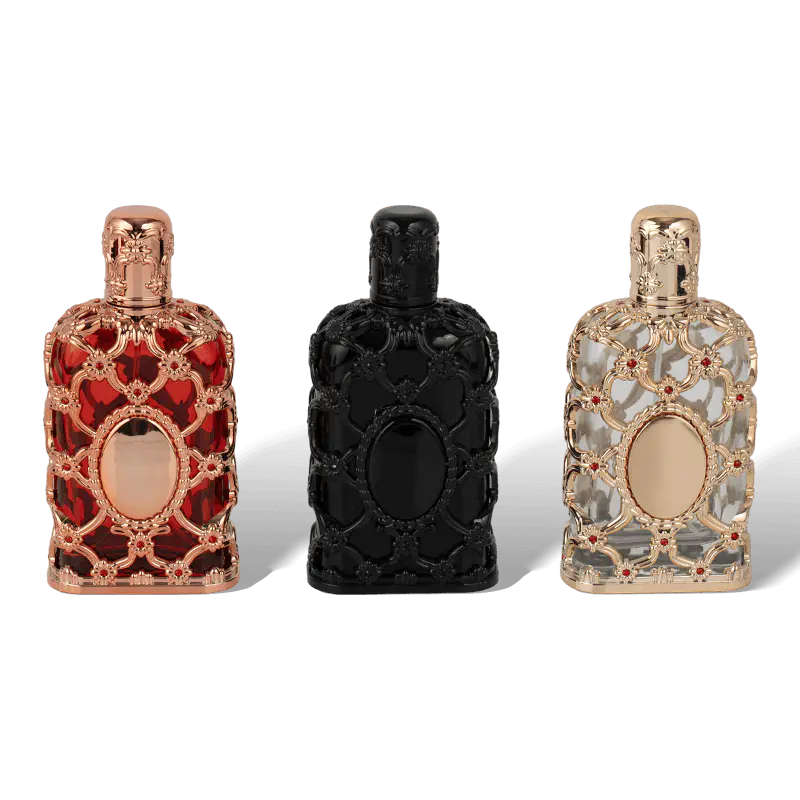
High-end glass Arabian-style empty perfume bottles
Design Architecture: Strength Inside, Ornament Outside
Transparent Rectangular Glass Core
At the center of the design is a transparent rectangular glass bottle with upright sides and a stable base. The clean geometry provides a visual foundation for the elaborate metal exterior. While the gold openwork frame introduces intricate movement, the rectangular glass body maintains order, balance, and a substantial hand feel.
The contrast between the straight glass walls and the curved or patterned openwork is one of the bottle’s main design advantages. A completely ornate bottle can sometimes appear visually crowded, while a completely plain bottle may fail to communicate exclusivity. This product combines both qualities: a disciplined internal structure and a richly decorated external presentation.
The transparent glass also allows the fragrance color to remain visible. This is particularly important for perfumes with naturally appealing tones, such as amber, rose, saffron, honey, tobacco, or deep vanilla shades. The inner liquid becomes part of the design, adding another layer of customization without requiring an opaque coating.
High-white recyclable glass is used to support clarity and visual purity. A cleaner glass appearance helps reduce unwanted color distortion and allows the fragrance to be presented more accurately. For brands that invest in carefully formulated liquids, this transparency provides a direct visual connection between the formula and the package.
Three-Dimensional Gold Openwork Frame
The bottle’s most distinctive feature is its carved gold outer frame. Rather than using a simple printed pattern, the design creates an openwork structure with physical depth. The metal grid surrounds the glass like decorative armor, producing shadows, highlights, and tactile variation as the bottle is viewed from different angles.
This construction gives the product a stronger visual presence than a conventional bottle decorated with a flat gold label. A flat finish can look attractive under controlled lighting, but it may lose impact when displayed among many competing products. A three-dimensional structure remains visible from multiple directions and creates a more memorable silhouette.
The open sections of the metal frame also allow the glass and fragrance color to remain visible. This is an important balance: the decorative exterior is prominent, yet it does not completely conceal the product inside. The result is a layered appearance in which the gold frame acts as a windowed protective shell rather than a solid outer box.
From a handling perspective, the frame adds texture and gives the bottle a distinctive tactile identity. Consumers can feel the difference between a smooth printed surface and a sculpted structure when picking up the package. In premium packaging, this physical interaction can reinforce the perception of craftsmanship and value.
Crimson Decorative Accents
Small red decorative elements are positioned at selected intersections of the gold openwork pattern. Their gemstone-like appearance introduces color contrast against the metallic gold. Red is traditionally associated with passion, power, celebration, wealth, and confidence, making it an appropriate accent for an intense or luxurious fragrance concept.
The red details also improve recognition. A gold bottle alone may be elegant, but the combination of gold and crimson produces a more distinctive visual signature. Brands can use this color relationship to develop coordinated cartons, outer cases, tester displays, or promotional materials.
Because the decorative points are distributed across the frame, they create visual rhythm rather than a single isolated highlight. The viewer’s eye moves across the bottle, following the pattern and discovering details. This supports the idea that the package is a decorative object deserving closer inspection.
Oval Front Nameplate
An oval metal nameplate area is incorporated on the front of the bottle for branding and identification. This feature provides a clearly defined location for an OEM logo, fragrance name, collection emblem, or other brand mark. Compared with printing directly onto a complex openwork surface, a dedicated plaque can produce a cleaner and more legible result.
The nameplate also contributes to the royal visual language. Heraldic plaques, medallions, and engraved emblems are commonly associated with formal presentation and heritage craftsmanship. A fragrance brand can use this space to create a seal-like identity, helping the product resemble a bespoke object rather than a generic container.
Customization may include logo treatment, lettering, emblem placement, metallic color coordination, and other approved decoration options. The final specification should be confirmed during sampling because the size, contrast, and production method need to work with the physical proportions of the plaque.
Why This Bottle Can Outperform Conventional Perfume Packaging
Stronger Shelf Impact
Many fragrance packages compete within a narrow visual field. Transparent bottles, clear labels, standard rectangular cartons, and basic metallic caps are common throughout the market. A product with an ornate three-dimensional metal exterior can create a stronger first impression because it presents a more substantial visual structure.
The bottle is especially suitable for premium shelves where consumers expect packaging to signal a higher price level. The combination of gold, crimson details, glass transparency, and sculptural depth gives the bottle immediate decorative appeal. Even before the product is handled, its silhouette can help distinguish it from simpler competitors.
More Complete Luxury Expression
Some packages communicate luxury through one isolated element, such as a gold cap or a glossy label. This bottle distributes the luxury message across several components. The frame provides structure and texture, the red accents provide contrast, the glass provides clarity, the plaque provides a branding area, and the matching cap completes the composition.
This coordinated approach is beneficial for brands that want packaging to support a premium story. Instead of asking a single printed label to carry the entire visual identity, the product communicates through materials, form, color, ornament, and touch.
Better Suitability for Collection-Based Branding
A fragrance line often benefits from a recognizable family appearance. The basic bottle architecture can be maintained across multiple fragrances while selected details are varied. For example, brands may explore different liquid colors, plaque treatments, decorative tones, or carton designs while retaining the signature rectangular glass and gold openwork structure.
Available capacities also support a broader range of commercial applications. A 30 ml bottle may serve as a travel or discovery format, a 50 ml bottle may suit daily retail use, a 100 ml bottle may function as the primary presentation size, and a 200 ml bottle may serve collectors or home fragrance environments. A coherent size family makes the product range easier to organize and market.
More Tactile Differentiation
Luxury is increasingly communicated through touch as well as sight. Consumers notice weight, surface texture, cap resistance, material transitions, and the feeling of opening and closing a package. The carved metal frame gives this bottle a tactile feature that is difficult to reproduce with ordinary printing.
The interaction begins when the consumer lifts the bottle, continues when the cap is removed, and concludes with the fine mist released by the atomizer. Each stage becomes part of the product ritual. This is valuable for fragrance because the category is inherently experiential: the package should prepare the user for an elevated sensory experience.
Greater Branding Flexibility
The front nameplate offers a practical and decorative location for OEM branding. The brand logo can be presented in a manner that is clearly visible without interfering with the openwork pattern. This is an advantage for private-label customers, fragrance houses, hotel groups, distributors, and emerging brands that want a distinctive appearance without developing an entirely new bottle architecture.
Customized decoration can help separate product tiers as well. A brand may use one plaque style for its core line, another for a limited edition, and a more elaborate finish for a special gift collection. The same underlying package can therefore support multiple market strategies.
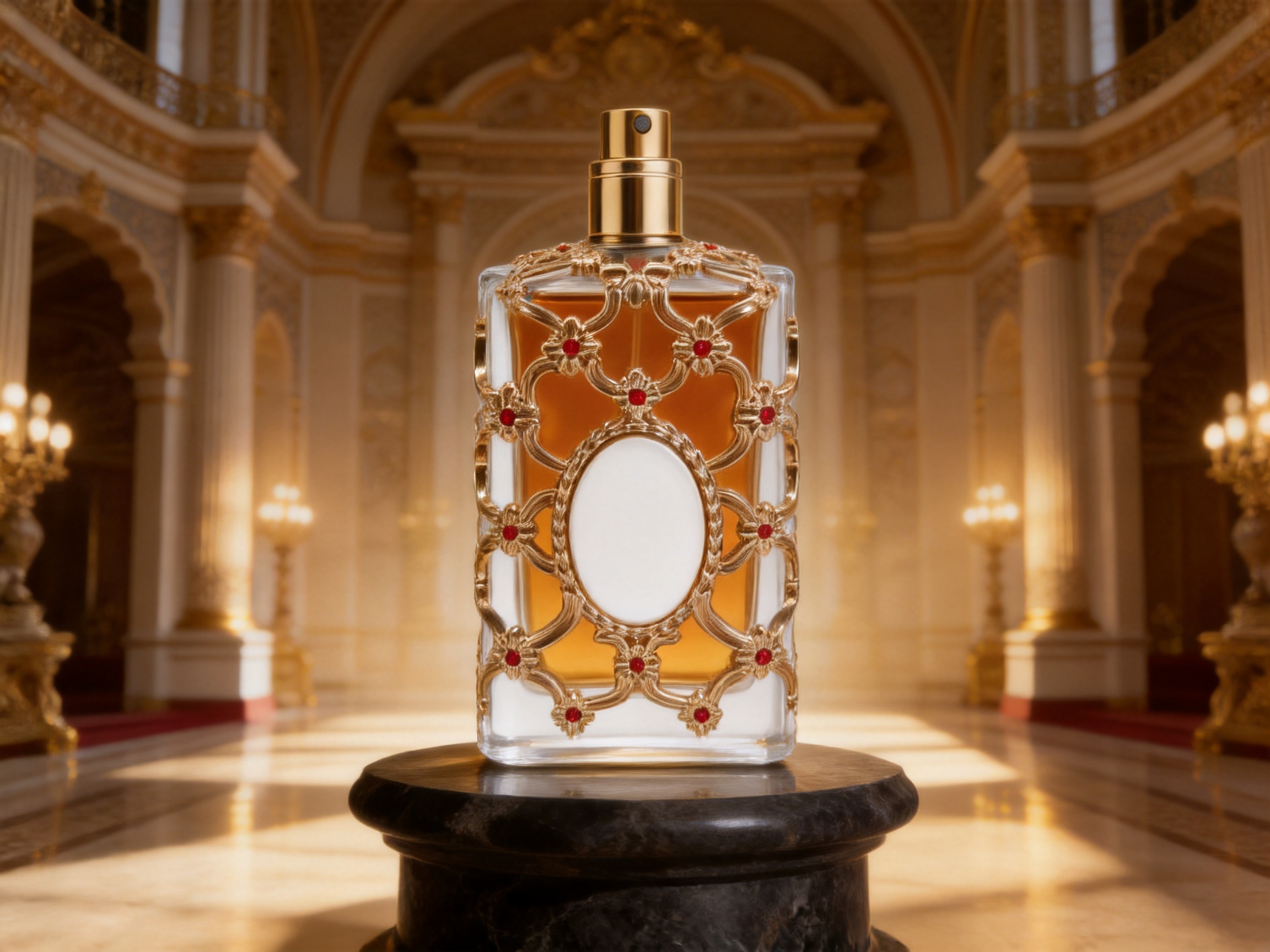
Functional Performance and User Experience
Fine Atomizing Spray System
The bottle is equipped with a high-pressure fine atomizing nozzle designed to release fragrance as a smooth mist. Atomization quality affects the way a perfume is experienced. A coarse or uneven spray can create a wet spot on the skin, while a finer mist can distribute the fragrance more comfortably and evenly.
The matching gold anodized aluminum nozzle supports the bottle’s overall visual consistency. Its metallic appearance connects the spray mechanism with the outer frame and cap, ensuring that the functional component does not appear visually disconnected from the decorative body.
For fragrance brands, the spray system is also part of perceived quality. Consumers may interpret a consistent actuator response, clean spray pattern, and comfortable button action as signs of a better-made product. During product development, the selected pump and collar should be evaluated with the intended fragrance formula to confirm compatibility and performance.
Engraved Matching Cap
The bottle includes a coordinated engraved cap that completes the presentation and protects the actuator when the product is not in use. A cap is more than a closure: it is one of the first components consumers handle, and it often contributes significantly to the overall impression of quality.
The matching metallic appearance helps create a unified design. When the bottle, nozzle, cap, and front plaque are visually coordinated, the package appears intentionally developed rather than assembled from unrelated standard parts. This can be especially important for luxury brands that emphasize craftsmanship and detail.
Stable Rectangular Proportions
The rectangular shape provides a broad base and a stable upright profile. Stability is useful for retail displays, warehouse storage, filling operations, and consumer use at home. The vertical form also makes efficient use of shelf height while maintaining a substantial visual presence.
Compared with highly irregular sculptural shapes, a rectangular format can be easier to organize in cartons and display units. It may also simplify the design of secondary packaging, inserts, dividers, and transportation cases. The decorative frame adds individuality without eliminating the practical advantages of a structured bottle body.
Protection Through Layered Construction
The metal exterior surrounds much of the glass body and may provide an additional layer between the glass and incidental contact. It should not be considered a replacement for appropriate packaging protection, but the layered design can contribute to a more robust package concept when combined with suitable cartons, inserts, and shipping procedures.
The openwork structure is also advantageous because it can provide protection without completely covering the bottle. The brand can retain visibility of the liquid and glass while adding an external framework. Proper handling remains important, particularly because glass and decorative components require suitable transport and storage conditions.
Material and Sustainability Considerations
Modern luxury packaging must address both appearance and environmental expectations. This bottle uses recyclable high-white glass as its principal container material. Glass has a strong position in fragrance packaging because it is transparent, chemically resistant in many applications, reusable in some systems, and widely recognized as a premium material.
The clear glass body supports long-term visual appeal because it does not depend entirely on an opaque coating. It allows the fragrance color to remain part of the presentation and can reduce the need for heavy decorative coverage on the inner container.
Sustainability should be considered across the full package system rather than judged by one material alone. Brands should evaluate the weight of the glass, the composition of the metal frame, the recyclability of secondary packaging, the use of coatings and adhesives, shipping efficiency, and the possibility of refilling or reuse. Product specifications and local recycling conditions should be reviewed before making environmental claims in marketing materials.
The use of recyclable glass gives brands a strong starting point for a more responsible packaging strategy. It can be paired with appropriately sized cartons, paper-based inserts, reduced plastic components where technically practical, and efficient logistics planning. These decisions can help balance the desire for a luxurious appearance with a more considered environmental profile.
Available Sizes and Commercial Applications
| Capacity | Potential Application | Commercial Advantage |
|---|---|---|
| 30 ml | Travel fragrance, discovery product, promotional edition | Portable format suitable for trial and gift programs |
| 50 ml | Daily-use premium perfume | Balanced capacity for regular retail presentation |
| 100 ml | Core luxury fragrance product | Strong shelf presence and substantial presentation |
| 200 ml | Collector edition, home display, special release | High-impact format for prestige and gifting |
The 100 ml version is a particularly effective format for luxury fragrance positioning. It offers enough volume to feel substantial while remaining familiar to consumers in many perfume markets. The larger surface area also gives the openwork frame and front nameplate sufficient space to express their design details.
The 30 ml and 50 ml options can help brands create entry points into a premium collection. Smaller bottles may be useful for travel retail, seasonal sets, influencer programs, sampling campaigns, or customers who prefer compact products. The 200 ml option can support an even more decorative and collectible positioning, particularly when used in limited releases or exclusive channels.
Offering multiple sizes can also help a fragrance company manage price architecture. The same design identity can be presented at different retail prices without making the collection appear inconsistent. Size differentiation can support product launches, gift strategies, and regional market requirements.
OEM and Private-Label Customization Opportunities
Logo and Nameplate Development
The oval front plaque is a natural focal point for customization. A logo can be applied or developed to complement the plaque’s proportions, metallic finish, and surrounding openwork. Brands should consider legibility at normal viewing distance, contrast against the plaque, and consistency with the fragrance’s broader identity.
A simple emblem may work well for a heritage fragrance house, while a more detailed monogram may suit an exclusive private-label collection. The design should be tested at production scale because very fine lines, small text, and complex symbols may require adjustment for reliable reproduction.
Color and Finish Coordination
The principal visual language uses gold and crimson, but customization programs may explore coordinated variations subject to technical feasibility. Possible directions can include different metallic tones, alternative decorative accents, or adjusted treatments for the plaque and cap.
Color coordination should be evaluated under retail lighting, photography lighting, and ordinary indoor conditions. Metallic finishes can appear different depending on the angle and light source. A professional sampling process helps customers confirm whether the selected finish supports the intended brand image.
Secondary Packaging
The bottle can be paired with a carton designed to echo its royal character. A rigid presentation box, textured paperboard carton, foil details, embossed patterns, or an internal insert may reinforce the luxury message. Secondary packaging also provides an opportunity to communicate fragrance notes, usage information, regulatory details, and brand storytelling.
Because the bottle includes a decorative exterior, the carton should be engineered with adequate clearance and cushioning. The inner structure needs to hold the bottle securely without placing excessive pressure on the metal ornament or glass edges. Attractive packaging must also be practical for storage, filling, shipping, and retail handling.
Fragrance Collection Architecture
Brands can use this bottle as the foundation of an entire collection. Individual fragrances may be distinguished through liquid color, plaque inscription, carton artwork, ribbon details, or scent-family naming. The stable bottle architecture allows customers to recognize the collection while still identifying each fragrance.
This approach is useful for oriental, floral, woody, gourmand, and unisex fragrance families. The gold frame can communicate a shared premium identity, while the fragrance-specific details create differentiation. It can also support seasonal or limited-edition programs without requiring a completely new packaging concept for every launch.
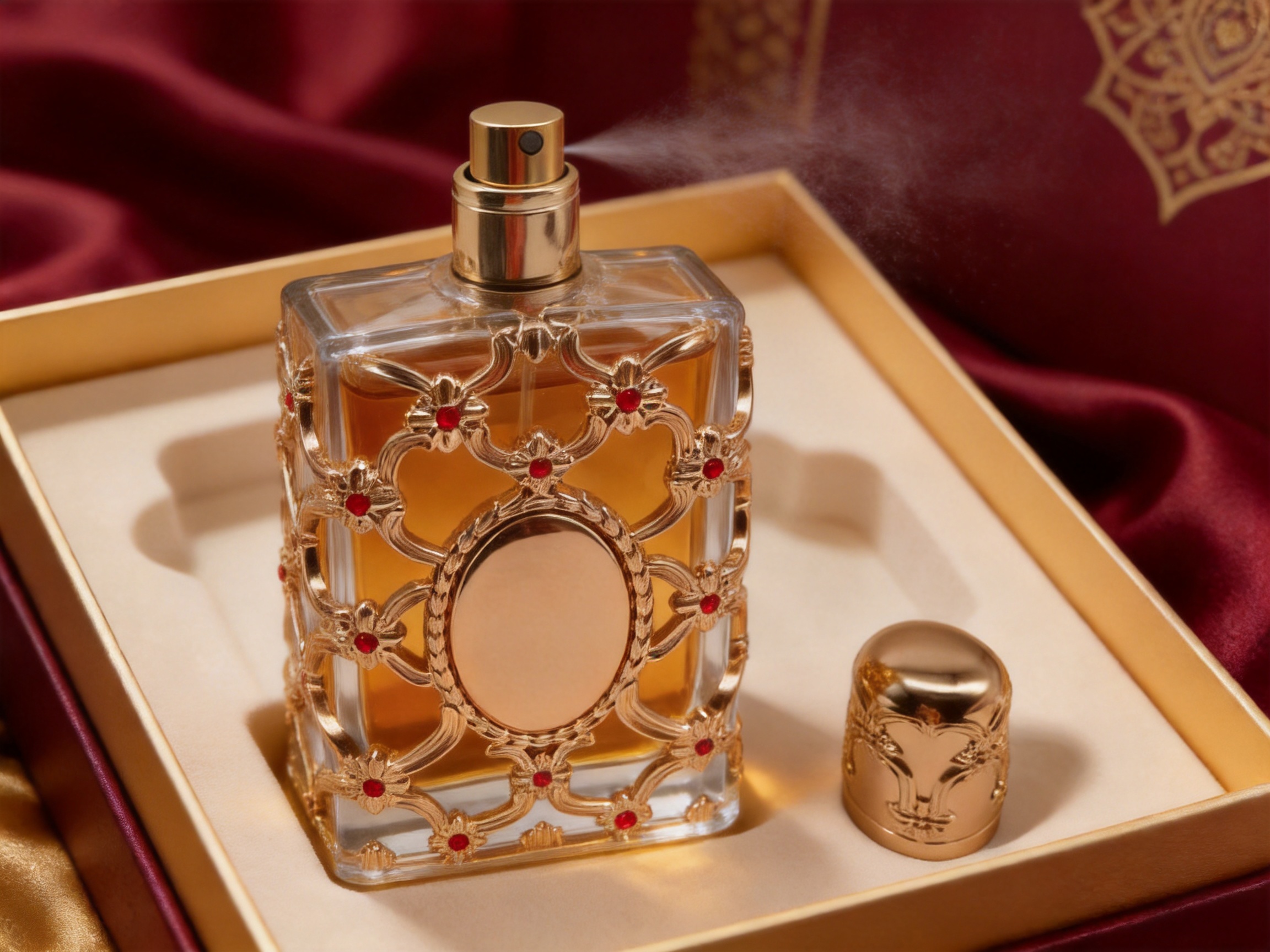
Advanced Manufacturing Capabilities of DEPRAG Plastic Products Co., Ltd.
DEPRAG Plastic Products Co., Ltd. specializes in the design and manufacture of packaging containers for cosmetics, medicines, and other plastic products. Although this perfume bottle uses a glass body and decorative metal components, the company’s broader packaging expertise is relevant to the complete development process, including component coordination, mold development, finishing, testing, and supply management.
The company maintains an experienced research and development team, advanced manufacturing equipment, and modern standardized factories. Its production capabilities include product research and development, industrial design, mold manufacturing, plastic injection molding, blow molding, gilding and printing, UV coating, product testing, and warehousing.
This range of capabilities is valuable because premium packaging projects rarely depend on one manufacturing operation alone. A successful package may require coordination among the bottle body, cap, pump, decorative structure, nameplate, surface treatment, logo, carton, filling compatibility, and transportation protection. An experienced packaging supplier can help customers manage these connected requirements more effectively.
Product Research and Development
Product development begins with understanding the intended market, fragrance positioning, capacity, decoration requirements, filling method, and target cost. DEPRAG’s research and development approach can support the transition from a visual concept to a manufacturable packaging solution.
During development, key considerations may include dimensional accuracy, component fit, wall structure, cap alignment, spray performance, decorative attachment, surface finish, and packaging protection. Addressing these details before mass production helps reduce avoidable changes and supports a more consistent final result.
Design and Mold Manufacturing
For packaging components made through molding processes, mold quality has a direct influence on repeatability and appearance. Accurate molds help maintain consistent dimensions across production runs and support reliable assembly between components.
The company’s mold manufacturing capability allows design and tooling considerations to be evaluated as part of a broader development process. This can be beneficial for customers seeking customized caps, plastic accessories, closures, inserts, or related cosmetic packaging components that complement the perfume bottle.
Injection Molding and Blow Molding
DEPRAG provides plastic injection molding and blow molding capabilities for cosmetic and daily chemical packaging. These processes can support the manufacture of caps, closures, component housings, jars, bottles, and accessory parts used across a wider product portfolio.
Injection molding is suitable for producing detailed plastic components with controlled dimensions, while blow molding can be used for selected hollow packaging structures. The availability of both processes allows the company to offer broader packaging support to customers who need coordinated perfume, skincare, cream, or cosmetic container programs.
Gilding, Printing, and UV Coating
Surface decoration is a major part of luxury packaging. DEPRAG’s gilding, printing, and UV coating capabilities can support the visual development of cosmetic packaging components, including metallic effects, logos, product information, and protective surface treatments.
These processes may be relevant when coordinating the perfume bottle with caps, cartons, complementary skincare containers, or other items in the same brand family. Consistent decorative treatment across multiple product categories can help a brand build a more professional and recognizable packaging system.
Product Testing and Warehousing
Testing and warehousing are important parts of reliable packaging supply. Products must be checked for appearance, dimensions, assembly, decoration, and packaging condition according to the customer’s agreed specifications. Warehousing capability can also support organized inventory handling before shipment.
For glass perfume bottles with decorative components, quality checks should pay close attention to glass clarity, visible defects, frame alignment, decorative attachment, plaque placement, cap fit, and atomizer function. A defined inspection standard helps customers align expectations before mass production.
Supply Chain Location and Customer Support
DEPRAG is located in Cixi, China, an established plastic industry area with convenient transportation connections. The company is near the Hangzhou Bay Bridge and within approximately one hour by road of Ningbo’s Beilun deep-water port and Hangzhou Xiaoshan International Airport.
This location can support efficient movement of materials and finished products. Access to major transport infrastructure is valuable for international customers managing import schedules, consolidated shipments, or multi-component packaging programs.
The company provides technical support for customers developing professional daily chemical packaging brands. This support can be particularly useful for customers who have a fragrance concept but require help selecting compatible packaging components, reviewing decoration details, developing custom parts, or coordinating different manufacturing processes.
Its product range includes thousands of daily chemical packaging designs, along with standard products and customized mold services. This breadth allows customers to use the perfume bottle for a fragrance launch while also exploring coordinated packaging for skincare, cream, lotion, or other cosmetic products.
Recommended Development Process for Buyers
Step One: Define the Brand Position
Before requesting samples, the buyer should define the desired market position, target retail price, fragrance family, expected annual volume, preferred capacity, and sales channels. A luxury bottle may be used for direct-to-consumer sales, department stores, hotel collections, duty-free retail, gifting, or private-label distribution, and each channel can create different packaging priorities.
Step Two: Select the Capacity and Components
The buyer should confirm whether the project requires 30 ml, 50 ml, 100 ml, 200 ml, or a combination of sizes. The pump, collar, cap, plaque, decorative frame, and secondary package should be considered as one system. This reduces the risk of discovering late in development that one component does not fit the intended filling line or carton design.
Step Three: Confirm Decoration and Branding
Logo artwork should be supplied in an appropriate production format, with clear information about colors, dimensions, placement, and finish. The buyer should also identify whether the desired appearance requires printing, gilding, engraving, plating, coating, or another treatment.
For the front plaque, it is useful to prepare several artwork versions if the brand identity includes fine lettering or a detailed emblem. Sampling can then determine which version remains most legible and visually balanced at the actual bottle scale.
Step Four: Evaluate Samples
Samples should be reviewed under realistic conditions. The buyer should inspect the bottle in natural light, indoor light, retail-style light, and product photography conditions. The cap should be opened and closed repeatedly, and the atomizer should be tested with the intended fragrance or a suitable evaluation liquid.
The sample review should also include the tactile experience. The frame should feel secure, the plaque should be correctly aligned, and the bottle should stand evenly on a flat surface. These details have a direct effect on perceived quality.
Step Five: Confirm Filling and Compatibility
The selected fragrance formula should be assessed for compatibility with the glass bottle, pump, gasket, dip tube, collar, and any internal components that contact the liquid. The filling process should be reviewed to ensure that the bottle can be handled efficiently without damaging the decorative exterior.
Compatibility testing is particularly important when a fragrance contains a high concentration of alcohol, oils, colorants, or other ingredients that may affect certain materials. The final technical decision should be made through appropriate testing rather than appearance alone.
Step Six: Establish Quality Standards
A written quality agreement should define acceptable limits for glass marks, color variation, decorative alignment, logo placement, cap fit, atomizer performance, packaging condition, and quantity tolerance. Clear standards support more consistent inspection and reduce uncertainty during production.
Step Seven: Plan Logistics
The buyer should confirm carton dimensions, inner protection, pallet configuration, shipping marks, storage conditions, and delivery schedule. Glass packaging requires careful transport planning. The decorative frame and cap should be protected from abrasion, impact, and compression during handling.
Quality Factors That Matter in Luxury Perfume Packaging
Visual consistency is one of the most important quality factors. Gold finishes should remain reasonably consistent across a production batch, while red decorative elements should be securely positioned and visually balanced. The openwork frame should align with the glass body and should not interfere with the cap or spray system.
Glass clarity is also important. The transparent core should present the fragrance cleanly, with quality standards established for bubbles, inclusions, scratches, unevenness, and other visible characteristics. Because the bottle is designed for close visual inspection, defects that might be overlooked on a standard package may be more noticeable here.
Functional performance should be checked alongside appearance. The cap must fit securely, the nozzle must deliver a consistent spray, and the bottle should remain stable during normal use. A luxury appearance cannot compensate for a poor user experience, so both design and function should be evaluated together.
Packaging protection should be considered from the beginning, not added after the bottle design is complete. The carton, insert, and shipping case should accommodate the complete bottle geometry. The openwork frame may create contact points that need special cushioning or spacing during transportation.
Marketing Advantages for Fragrance Brands
The bottle’s visual character can support storytelling around royalty, craftsmanship, heritage, precious materials, and ceremonial fragrance rituals. Brands can use these themes in product descriptions, retail displays, campaign photography, and gift presentation.
The transparent body makes the liquid visible in promotional imagery, while the gold frame creates highlights and shadows that photograph effectively. The combination can produce a more distinctive visual asset for catalogs, online stores, social media, and promotional materials than a generic bottle with a flat label.
The bottle may also appeal to consumers who keep fragrance packages as decorative objects. Once the fragrance has been used, a visually elaborate bottle may continue to have display value. This can strengthen emotional attachment and support the perception that the purchase includes more than a consumable liquid.
For private-label customers, the design offers a relatively direct way to enter the premium fragrance segment. Instead of investing immediately in a completely original structural concept, a customer can begin with a developed bottle architecture and focus resources on formula development, brand identity, decoration, secondary packaging, and market launch.
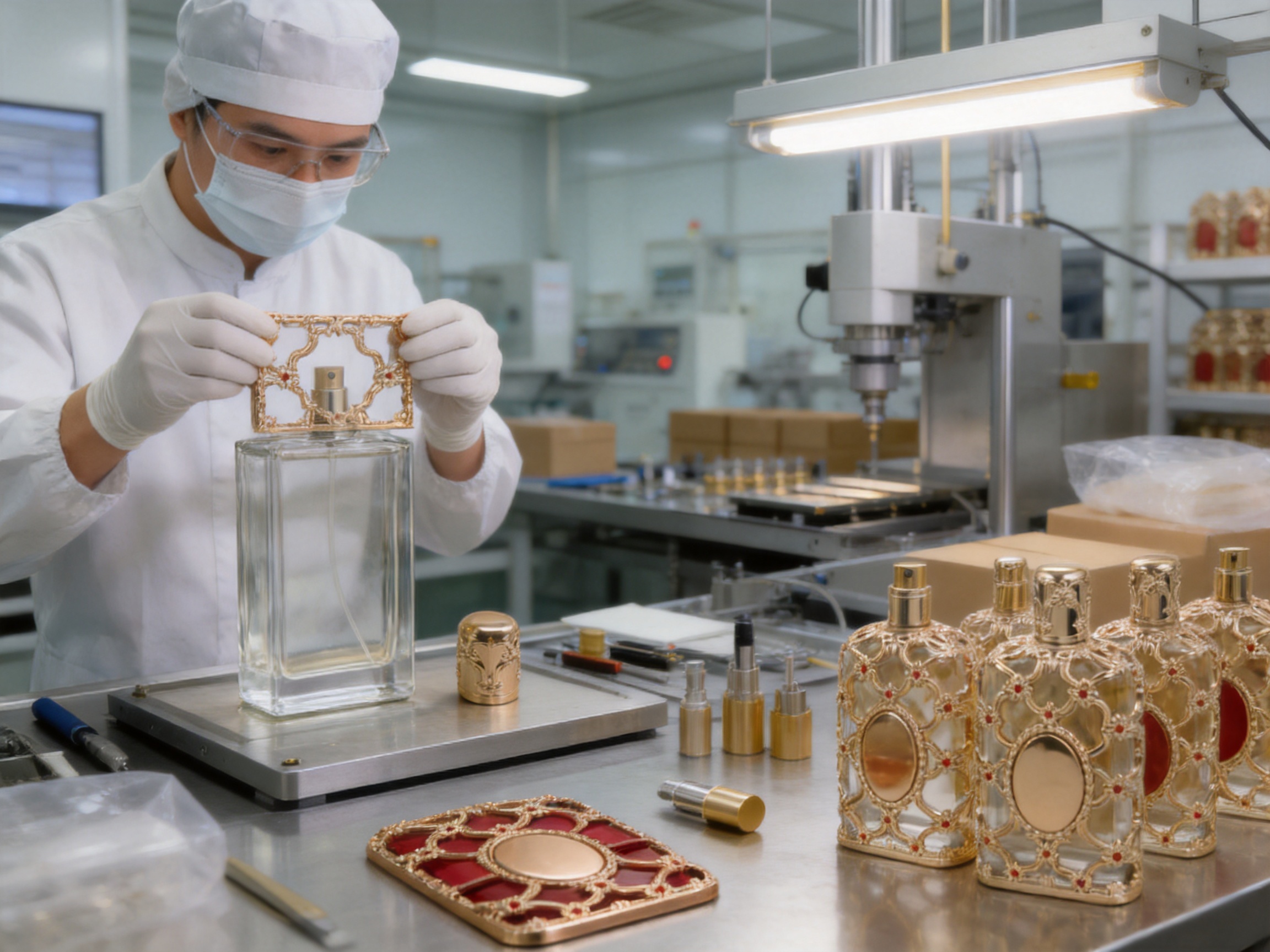
Q&A: High-End Arabian-Style Perfume Bottles
What is the main capacity of this perfume bottle?
The featured product is a 100 ml empty perfume bottle. Other available or customizable formats may include 30 ml, 50 ml, and 200 ml, allowing brands to develop travel, standard, core, and collector-oriented sizes.
What makes the design different from a standard perfume bottle?
The product combines a transparent rectangular glass bottle with a three-dimensional gold openwork metal frame, crimson decorative accents, an oval branding plaque, a matching spray nozzle, and an engraved cap. This layered construction creates more depth and tactile interest than a bottle decorated only with a printed label.
Can the front plaque be customized with a logo?
Yes. The oval front area is intended to support OEM logo customization and other brand identification treatments. Artwork, size, finish, and production method should be confirmed during the sampling and technical review process.
Is the inner bottle made of glass?
Yes. The inner container is a transparent, high-white glass bottle designed to showcase the fragrance color and provide a premium appearance. Glass specifications and inspection standards should be confirmed for each production project.
Is the glass recyclable?
The bottle is described as being made from recyclable glass. However, actual recycling practices depend on local facilities and the complete package composition. Brands should review regional recycling requirements before making specific consumer-facing environmental claims.
Does the bottle include a spray pump?
The product is equipped with a high-pressure fine atomizing nozzle and a matching gold anodized aluminum spray component. The pump should be tested with the intended fragrance formula before mass production to verify compatibility and spray performance.
What types of fragrances are suitable for this packaging?
The design is especially appropriate for luxury, oriental, Arabian-inspired, amber, oud, woody, floral, evening, unisex, and limited-edition fragrances. It can also be used for private-label and gift-oriented fragrance collections.
Can the same design be used for multiple fragrances?
Yes. A brand can maintain the core bottle design while differentiating fragrances through liquid color, plaque artwork, carton design, naming, and other approved decoration options. This supports collection-based branding and helps customers recognize the product family.
Can the bottle be supplied in other sizes?
The product information identifies 30 ml, 50 ml, 100 ml, and 200 ml options. The exact availability, dimensions, decoration scope, and minimum order requirements should be confirmed with the supplier for the specific project.
What should buyers inspect when evaluating a sample?
Buyers should inspect glass clarity, frame alignment, decorative attachment, red accent placement, plaque position, logo quality, cap fit, spray performance, bottle stability, and the condition of the shipping package. Testing should be performed under realistic handling and lighting conditions.
Can DEPRAG provide more than perfume bottles?
DEPRAG specializes in packaging containers for cosmetics, medicines, and other plastic products. Its capabilities include research and development, mold manufacturing, injection molding, blow molding, gilding, printing, UV coating, testing, and warehousing. This allows customers to explore coordinated packaging for skincare, creams, lotions, and other daily chemical products.
Where is the company located?
DEPRAG Plastic Products Co., Ltd. is located in Cixi, China, in a developed plastic industry area near the Hangzhou Bay Bridge. The company is also within convenient traveling distance of Ningbo’s Beilun deep-water port and Hangzhou Xiaoshan International Airport.
How should the bottle be protected during shipping?
The bottle should be placed in a properly engineered carton with internal clearance and cushioning. The packaging should protect the glass, decorative frame, plaque, cap, and spray system from impact, abrasion, compression, and movement during transportation.
What information should a buyer provide when requesting a quotation?
A buyer should provide the required capacity, estimated order quantity, fragrance application, logo artwork, decoration preferences, desired delivery schedule, destination market, secondary packaging requirements, and any filling or compatibility specifications. More complete information helps the supplier prepare a more accurate technical and commercial proposal.
Conclusion
High-end glass Arabian-style empty perfume bottles provide a strong solution for fragrance brands seeking a package with immediate visual distinction and premium tactile appeal. The design combines a stable rectangular glass core with a sculptural gold openwork frame, crimson decorative accents, an oval customization plaque, a coordinated fine atomizer, and an engraved cap.
Its advantages over more conventional perfume packaging include stronger shelf impact, richer three-dimensional detail, better suitability for collection-based branding, a more memorable user experience, and a clear area for OEM customization. The transparent glass preserves visibility of the fragrance, while the outer frame creates a protective and decorative layer around the product.
The availability of multiple capacities expands the commercial possibilities, from portable fragrance formats to large collector presentations. Recyclable glass supports a more considered packaging strategy, while appropriate secondary packaging and logistics planning can help protect the bottle throughout distribution.
DEPRAG Plastic Products Co., Ltd. complements the product concept with experience in cosmetic packaging development, mold manufacturing, molding, decorative finishing, testing, warehousing, and technical support. Its location in Cixi and access to major transportation infrastructure further support international packaging supply.
For fragrance companies, private-label customers, and cosmetic brand developers, this bottle can serve as more than a container. It can become the visual centerpiece of a fragrance collection, a recognizable brand signature, and a physical expression of luxury, heritage, and craftsmanship.
References
1. Product specification and design information for high-end glass Arabian-style empty perfume bottles, including capacity, construction, decoration, spray system, customization, and material features.
2. DEPRAG Plastic Products Co., Ltd. company profile and manufacturing capability information, including research and development, mold manufacturing, injection molding, blow molding, gilding, printing, UV coating, testing, and warehousing.
3. General packaging development principles for glass fragrance containers, including component compatibility, pump performance, decorative finishing, quality inspection, and transport protection.
4. General sustainability considerations for cosmetic and fragrance packaging, including recyclable materials, secondary packaging, logistics efficiency, and regional recycling practices.
Product: High-end glass Arabian-style empty perfume bottles

-
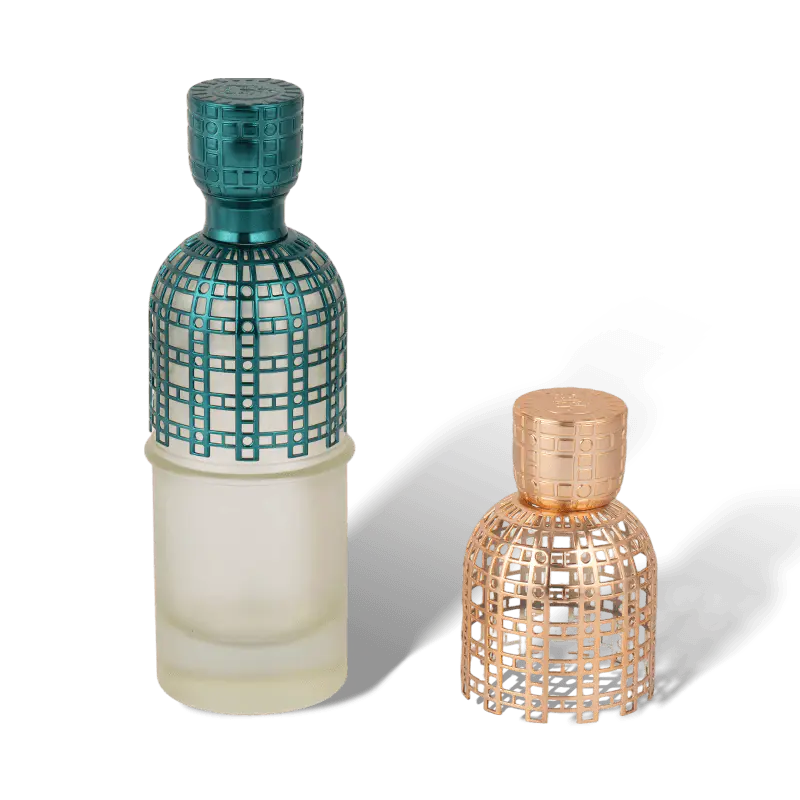 Gold 200ml/100ml/50ml/30ml Empty Arabic Dubai Glass Luxury Perfume Bottles
-
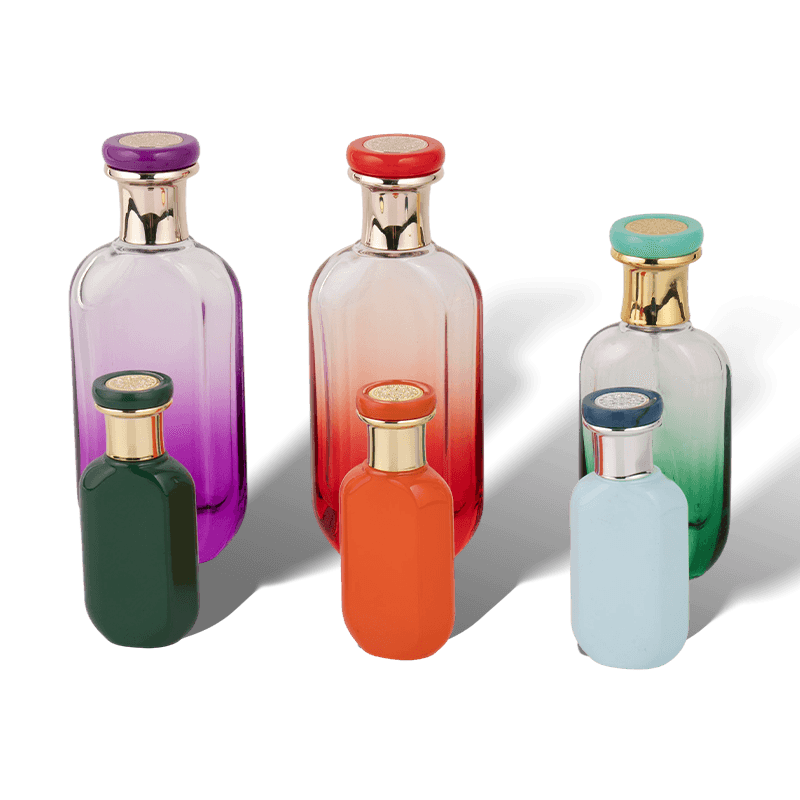 Recyclable Rectangular 30ml/50ml/100ml Glass Perfume Spray Luxury Perfume Bottle
-
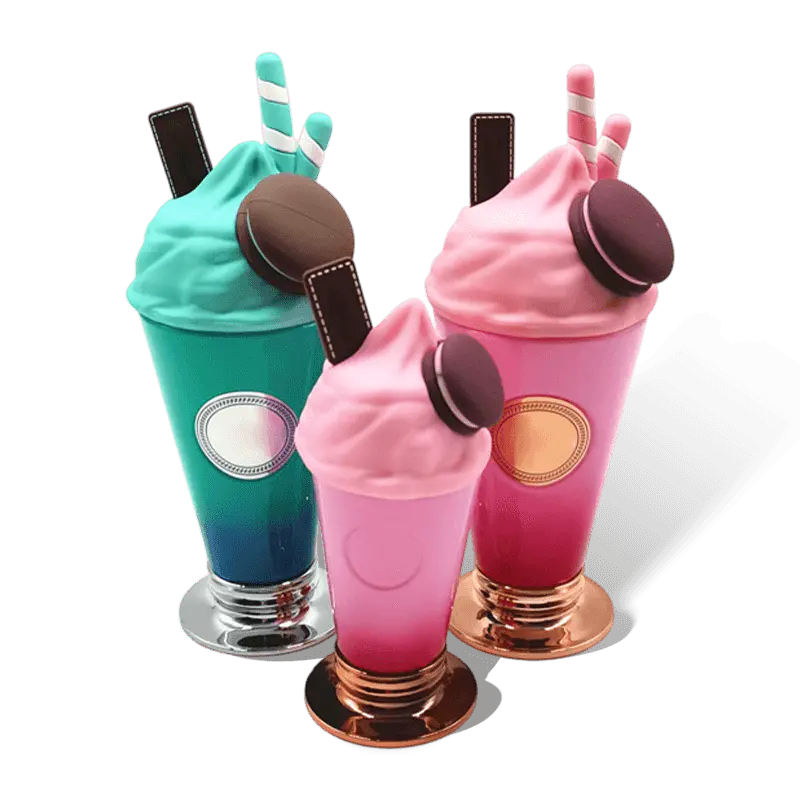 100ml Luxury Empty Glass Perfume Bottle
-
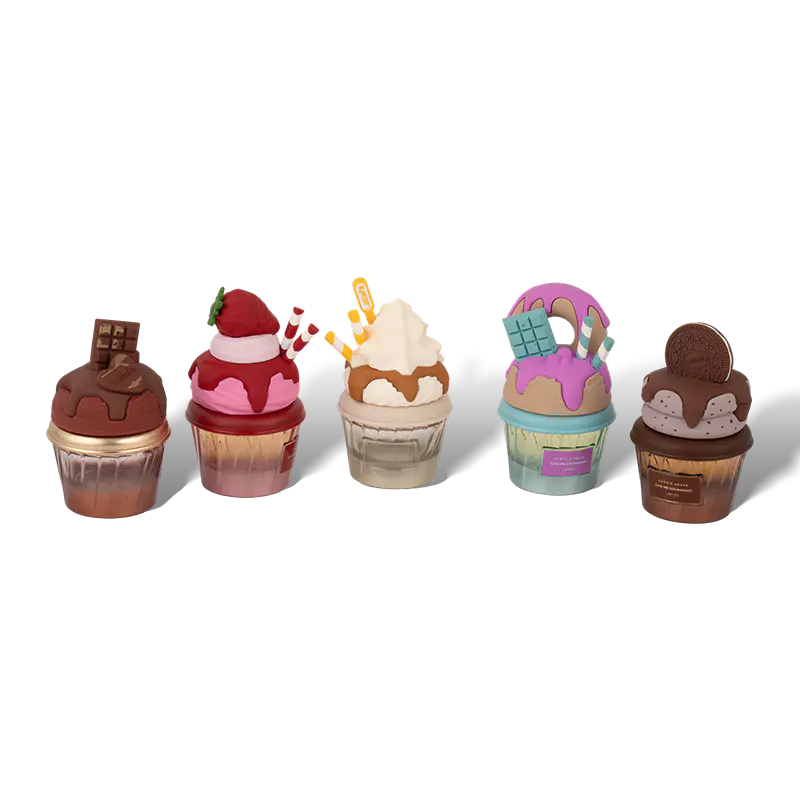 Luxury 100ml Round Perfume Bottle
-
 Round Luxury Empty 100ml Perfume Bottle
-
 100ML Classic Elegance Glass Fragrance Container Bottle
- +86 13968274500
- +86 13764345885
- ysgl@vip.163.com
- No. 10-18, Gaoxiakeng, Dongputou Village, Zhangqi Town